How to Cook Incredible Meals on a Shoestring Budget

I am so tired of seeing those “budget meal” videos where someone spends forty dollars on organic microgreens and artisanal sourdough just to claim they’re saving money. It’s nonsense. If you need a PhD in culinary arts and a massive grocery haul just to feed your family, you aren’t actually learning how to cook on a budget; you’re just participating in a different kind of consumerism. I spent years in the corporate grind, managing tight project timelines and even tighter household expenses, and I learned the hard way that real savings don’t come from fancy shortcuts—they come from systems.
I’m not here to give you a list of unattainable lifestyle goals or complicated recipes that require twenty different spices you’ll never use again. Instead, I’m going to share the practical, no-nonsense strategies I use to keep my kitchen running smoothly without draining my bank account. We are going to focus on small, actionable wins—like smarter pantry management and intentional meal planning—that actually work in a busy, real-world home. Let’s stop overcomplicating dinner and just get it done.
Table of Contents
Mastering Meal Planning for Beginners Without the Stress
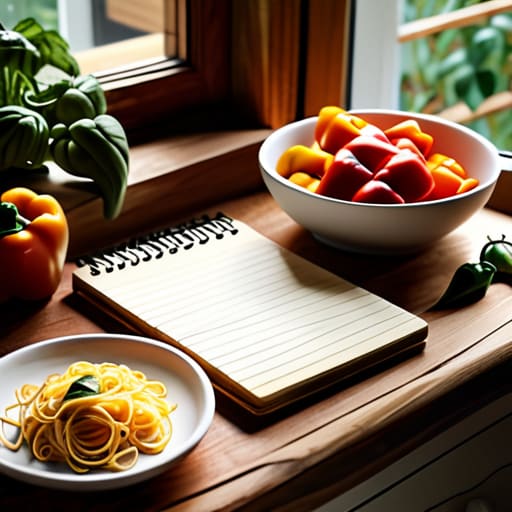
Look, I used to think meal planning meant spending my entire Sunday afternoon in a flour-dusted kitchen, prepping twenty identical Tupperware containers. That’s not a plan; that’s a second job. If you want to actually succeed with meal planning for beginners, you have to stop aiming for perfection and start aiming for predictability. Instead of complex recipes, pick three solid dinner themes for the week—like “Taco Tuesday” or “Pasta Night”—and build from there. It takes the decision fatigue out of the equation when you’re staring at the fridge at 6:00 PM after a long day.
The real secret to keeping things affordable is leaning heavily on low cost pantry staples like lentils, rice, and canned beans. These are your safety nets. When I’m looking at my weekly calendar, I don’t plan for the “ideal” version of my life; I plan for the chaotic version. I build my list around what I already have, which is one of my favorite reducing food waste tips for keeping the budget intact. If you have a bag of oats and some frozen berries, you’ve already won breakfast. Keep it simple, keep it repeatable, and just get it done.
Smart Grocery Shopping on a Budget for Busy Homes

Once you’ve got your plan, you have to actually walk into that store without letting the bright displays and “buy one, get one” traps derail you. I’ve learned the hard way that wandering the aisles without a list is a recipe for a bloated receipt and a fridge full of things you won’t actually eat. The secret to grocery shopping on a budget isn’t about deprivation; it’s about discipline. Stick to your list, shop the perimeter where the whole foods live, and for heaven’s sake, never shop when you’re hungry. It sounds like cliché advice, but when you’re hungry, that expensive pre-made salad looks a lot more appealing than the bag of lentils you actually need.
Another thing that saved my sanity (and my bank account) was investing in low cost pantry staples like rice, beans, and canned tomatoes. These are your safety nets. If a week gets chaotic and your meal plan falls apart, you can always whip up something decent from the cupboard instead of hitting the takeout apps. It’s all about building a foundation that works for your real, messy life.
Five Ways to Stop Wasting Money in Your Own Kitchen

- Shop your pantry before you hit the store. I’ve learned the hard way that there’s no point in buying a third jar of cumin when there’s one hiding in the back of the cupboard. Take ten minutes to see what you actually have; it’ll change your entire shopping list.
- Embrace the power of “the basics.” You don’t need fancy, pre-marinated meats or specialty organic blends to eat well. Stick to versatile staples like dried beans, lentils, eggs, and seasonal veggies. They’re cheap, they fill you up, and they don’t require a culinary degree to prepare.
- Stop buying pre-cut everything. I know, it’s tempting when the schedule is packed, but those little containers of pre-washed spinach or chopped onions are essentially a “convenience tax.” Buy the whole head of lettuce or the bag of onions and spend five minutes prepping them yourself. It adds up fast.
- Learn to love leftovers as a strategy, not an afterthought. I don’t view “leftover night” as a compromise; I view it as a win for my sanity and my wallet. Cook a little extra protein or grains on Sunday so you aren’t staring blankly at the fridge on a Tuesday night when you’re too tired to think.
- Freeze what you can’t use immediately. If you see meat on sale or a bag of spinach that needs to be used by tomorrow, throw it in the freezer. It’s my version of a “pause button” for your grocery budget, preventing that guilt-inducing moment when you have to toss expired food into the bin.
The Bottom Line: Keep It Simple and Keep Moving
Stop trying to cook five-star meals every night; pick three reliable, cheap staples and rotate them so you aren’t wasting brainpower or money.
Shop your own pantry before you hit the store—half the battle of saving money is just actually using the cans of beans and pasta you already bought.
Focus on progress, not perfection; if you end up ordering pizza once a week, don’t scrap the whole plan, just get back to the basics the next morning.
Getting It Done
At the end of the day, cooking on a budget isn’t about some elaborate, Pinterest-perfect lifestyle overhaul; it’s about the practical application of what we’ve discussed. It’s about having a rough meal plan so you aren’t staring blankly into a fridge at 6:00 PM, and it’s about sticking to a grocery list so you don’t walk out of the store with twenty dollars worth of impulse buys you’ll never actually use. If you can master the basics of intentional shopping and keep a few versatile staples in your pantry, you’ve already won half the battle. You don’t need a gourmet kitchen or a massive budget to feed your family well—you just need a solid system that works for your specific chaos.
I know that when life feels like it’s spinning out of control, the last thing you want to do is worry about the cost of a bag of lentils or the price of chicken thighs. But I promise you, these small, actionable wins add up. When you take control of your kitchen, you’re actually taking a bit of that mental load off your shoulders. Stop aiming for perfection and just aim for progress. Start with one small change this week—maybe it’s just writing down your list before you hit the store—and go from there. You’ve got this, and honestly, you deserve the peace of mind that comes with a functional, well-fed home.
Frequently Asked Questions
How do I keep things interesting so I don't end up eating the exact same three meals every single week?
The trick isn’t buying new ingredients; it’s about swapping the “flavor profile.” If you’re tired of plain roasted chicken and rice, keep the base but change the seasoning. One night it’s lemon and garlic, the next it’s taco seasoning, and the next it’s a bit of soy sauce and ginger. You aren’t learning new recipes; you’re just giving your existing staples a different personality. It keeps the mental load low but the boredom at bay.
What are some actual, budget-friendly protein swaps that don't leave me feeling hungry an hour later?
Look, if you’re swapping steak for a handful of lettuce, you’re going to be starving by 2:00 PM. To stay full, you need density. Swap expensive cuts of beef for lentils or canned chickpeas—they’re dirt cheap and packed with fiber. If you need meat, go for eggs or canned tuna; they’re reliable, quick, and much easier on the wallet. Just focus on the protein-to-cost ratio and stop chasing fancy labels.
How much time am I realistically going to spend prepping these meals, and is the effort actually worth the savings?
Look, I’ll be straight with you: you’re going to spend more time upfront, but you’re buying back your sanity later. If you batch-prep for just one hour on a Sunday, you’re looking at maybe fifteen minutes of effort on a Tuesday night. Is it worth it? Absolutely. You aren’t just saving money; you’re eliminating that “what’s for dinner” panic that drains your mental battery. It’s about working smarter, not harder.