Organizing Your Entryway for a Smoother Morning Routine
I’m going to say something that might ruffle a few feathers in the “aesthetic” home decor community: you do not need a custom-built, floor-to-ceiling mahogany mudroom to fix your life. I’ve spent far too many years watching people waste hundreds of dollars on overpriced, decorative baskets that look great on Instagram but fail the second a single pair of muddy soccer cleats hits the floor. If you’re searching for how to organize your entryway only to find a million suggestions involving expensive sculptural pieces that serve no actual purpose, stop right there. We aren’t decorating a museum; we are trying to manage the chaos of a real, living household.
I’m not here to sell you a lifestyle overhaul or a way to achieve “perfection.” Instead, I’m going to give you the same practical, no-nonsense strategies I use to keep my own fixer-upper from descending into madness. We’re going to focus on functional wins—the kind of small, actionable tweaks like smart bin placement and streamlined command centers that actually work when you’re rushing out the door in the morning. Let’s cut through the fluff and finally get this space under control.
Table of Contents
Smart Small Entryway Storage Solutions That Actually Work
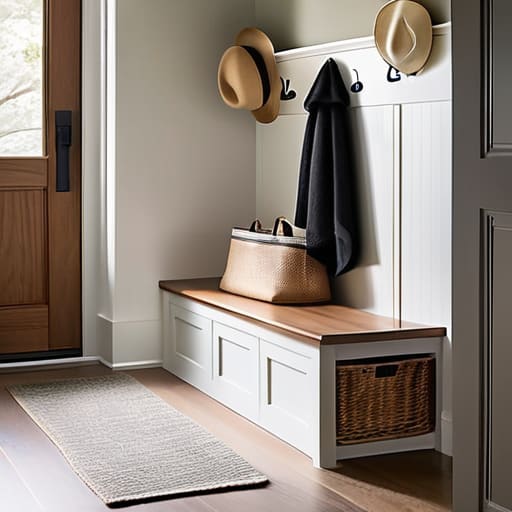
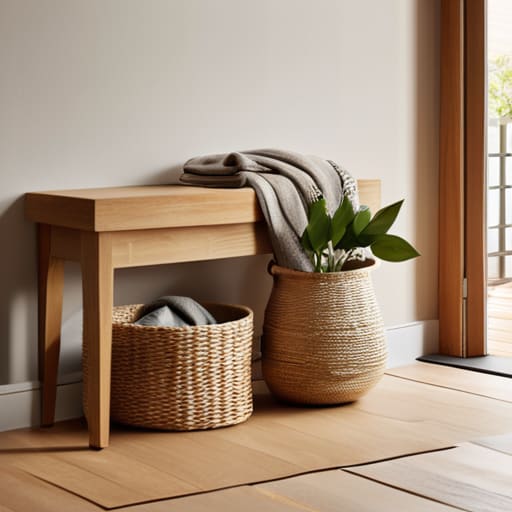
When you’re working with limited square footage, you have to stop thinking about floor space and start thinking vertically. I’ve learned the hard way that if you don’t give things a designated “home” above eye level, they’ll just end up in a heap on the floor. One of my favorite small entryway storage solutions is a series of sturdy wall hooks. Don’t just get one or two; get enough for the heavy winter coats and the lightweight bags so nothing feels cramped. If you have a bit more breathing room, a slim mudroom bench with storage underneath is a total game-changer for those mornings when you’re rushing out the door and can’t find your keys or your left sneaker.
If your entryway is essentially just a hallway, skip the bulky furniture and look into entryway shoe rack ideas that utilize the space behind a door or a thin console table. I always tell my clients: if it doesn’t serve a purpose, it’s just clutter. I like to balance entryway decor and functionality by using a beautiful woven basket for umbrellas or dog leashes—it looks intentional rather than messy. It’s all about making those small, smart choices that prevent the chaos from spreading into the rest of your house.
The Ultimate Command Center Organization for Busy Families
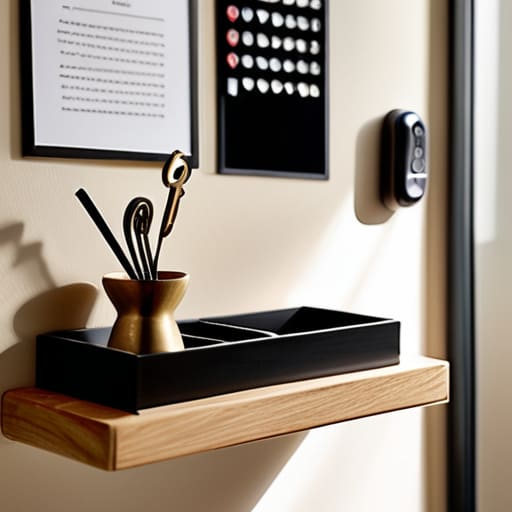
If your family is anything like mine, the entryway isn’t just a transition space; it’s a high-traffic zone where permission slips, keys, and half-finished homework go to die. To stop the daily frantic search for lost items, you need a dedicated command center organization strategy that acts as the brain of your home. I’m a big believer in the “one-touch rule”—if a piece of mail comes in, it goes straight into a designated slot rather than landing on the kitchen counter. Mount a sleek wall organizer or a magnetic board right at eye level. This keeps the essential paperwork and calendars in one spot, so you aren’t playing catch-up every single morning.
For the heavier lifting, I always recommend incorporating more entryway decor and functionality by combining aesthetics with utility. If you have the floor space, a sturdy mudroom bench with storage is a total game-changer. It provides a landing pad for kids to sit while they tackle laces, and the cubbies underneath are perfect for tucking away seasonal gear. It’s about creating a system that works for the chaos of real life, not just looking pretty for a magazine photo.
Five Quick Wins to Keep the Chaos at Bay
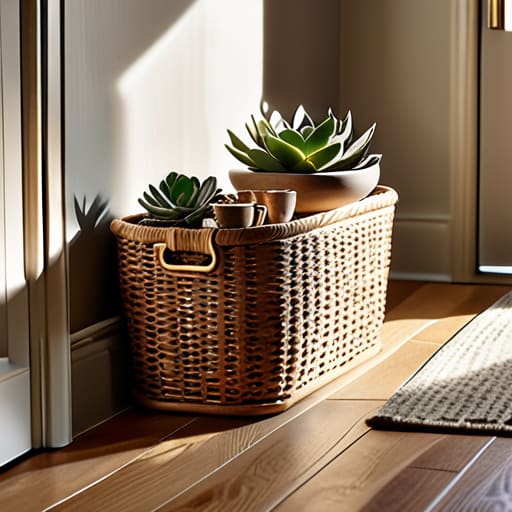
- Stop the shoe pile-up by assigning a specific spot for every family member; whether it’s a dedicated basket or a low shelf, if it doesn’t have a home, it’s just clutter waiting to happen.
- Get a heavy-duty key hook right by the door—I keep a little notebook nearby too, but honestly, just having a fixed spot for your keys prevents that frantic five-minute scramble every single morning.
- Use vertical space for things that usually end up on the floor, like lightweight bags or umbrellas, by installing a few sturdy wall hooks that don’t take up any precious walking room.
- Set up a “one-in, one-out” rule for seasonal gear; when the heavy winter coats come out of storage, the light summer windbreakers need to go into a bin in the closet so your entryway doesn’t feel claustrophobic.
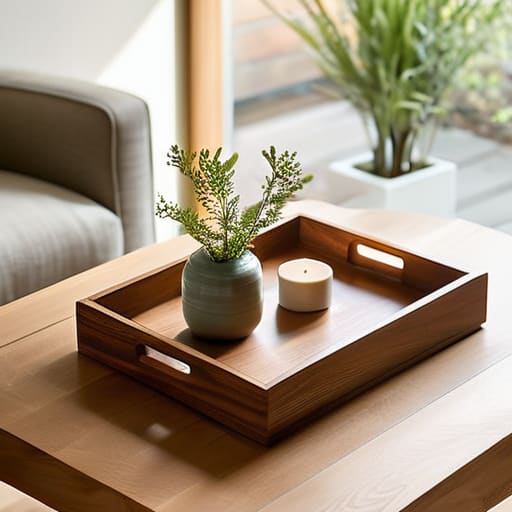
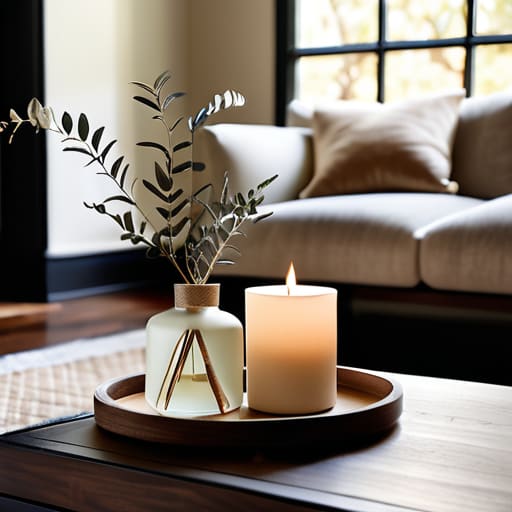
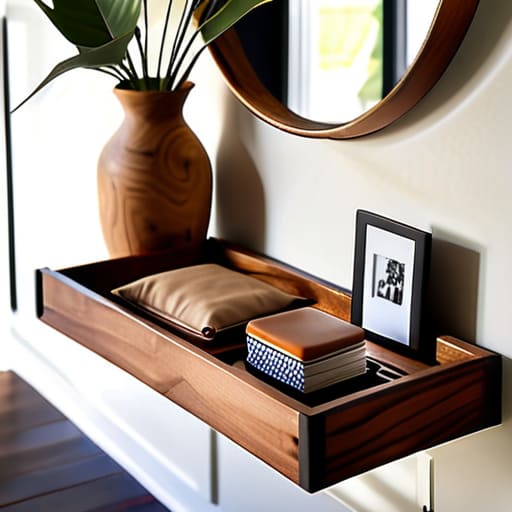
- Keep a small, discreet tray or bowl on your console table specifically for the “pocket dump”—loose change, receipts, and lip balm—so they don’t migrate across your entire house.
The Bottom Line for a Functional Entryway
Stop trying to find “perfect” furniture; instead, choose pieces that serve a dual purpose, like a bench with built-in cubbies for those rogue sneakers.
Build a system that works for your actual life, not an idealized version of it—if your family won’t use a fancy key hook, just grab a heavy-duty magnetic strip and call it a day.
Make organization a daily habit by clearing the surface clutter every single night, so you aren’t starting your morning by digging through a mountain of mail.
Making it Stick
At the end of the day, organizing your entryway isn’t about achieving some Pinterest-perfect showroom look; it’s about creating a system that actually serves your life. We’ve talked about using smart, small-scale storage to reclaim your floor space and setting up a dedicated command center so that the “where are my keys?” panic doesn’t derail your entire morning. Whether you’re implementing a few new bins or completely overhauling your mail station, the goal is to remove the friction from your daily transitions. Remember, if a system is too complicated to maintain when you’re running late for a meeting or rushing the kids to soccer practice, it’s not a solution—it’s just more clutter. Keep it simple, keep it functional, and most importantly, keep it consistent.
I know that looking at a pile of shoes and a mountain of mail can feel overwhelming, especially when you already have a million other things on your plate. But I promise you, once you tackle this one zone, you’ll feel that immediate sense of relief every time you walk through the front door. Don’t try to do everything in one afternoon; just pick one small win and start there. You don’t need a massive renovation to turn a chaotic entryway into a calm gateway to your home. Take a breath, grab your notebook, and let’s just get it done.
Frequently Asked Questions
What do I do if my entryway is just a tiny, narrow hallway with absolutely no floor space for a bench or cubbies?
If you’re working with a narrow hallway, stop trying to force furniture in where it doesn’t belong. You have to think vertically. I always tell my clients: if you can’t go out, go up. Install a few sturdy wall hooks at varying heights—one for heavy bags, one for kids’ backpacks—and a slim, floating shelf above them for keys or mail. It keeps the floor clear so you aren’t tripping over things the second you walk in.
How can I keep the kids actually using the system instead of just dumping their backpacks on the floor five minutes after I organize it?
Look, I’ve been there. You spend three hours color-coding bins only to have a teenager treat the floor like a dumping ground ten minutes later. The secret? Make the system easier than the alternative. If the hook is too high or the bin is too small, they won’t use it. Keep it low, keep it open, and honestly, stop aiming for perfection. If the backpack is at least in a designated zone, call it a win.
I have a lot of seasonal gear like heavy boots and umbrellas; how do I store those without making the entryway look cluttered year-round?
The trick is to stop treating your entryway like a permanent storage unit for things you only use three months a year. I use a “one-in, one-out” rule with seasonal bins. When the heavy boots come out, the sandals go into a slim, labeled bin tucked away in a closet or under the bed. For umbrellas, swap that bulky floor stand for a sleek, wall-mounted rack. If it isn’t used weekly, it shouldn’t be taking up prime real estate.