Easy Steps to Make Your Home More Sustainable
I’m going to be blunt: most of the advice you see online about “going green” is just expensive, high-maintenance nonsense designed to make you feel guilty. You don’t need to spend three weeks researching artisanal, hand-woven bamboo baskets just to organize your pantry, and you certainly don’t need a massive budget to implement eco friendly home tips that actually stick. I’ve spent enough years managing complex projects and fixing up old houses to know that if a “sustainable” solution is too complicated to maintain, it’s not a solution—it’s just more clutter on your mental to-do list.
I’m not here to preach or sell you a lifestyle you can’t afford. Instead, I’m going to give you the straight talk on how to reduce your footprint without losing your mind or your savings. We’re going to focus on small, actionable wins—the kind of practical shifts that actually work in a real, messy, lived-in house. No fluff, no overcomplicating things, and definitely no guilt trips; just effective ways to make your home run a little cleaner and a lot smarter.
Table of Contents
Easy Energy Efficient Home Upgrades That Actually Work
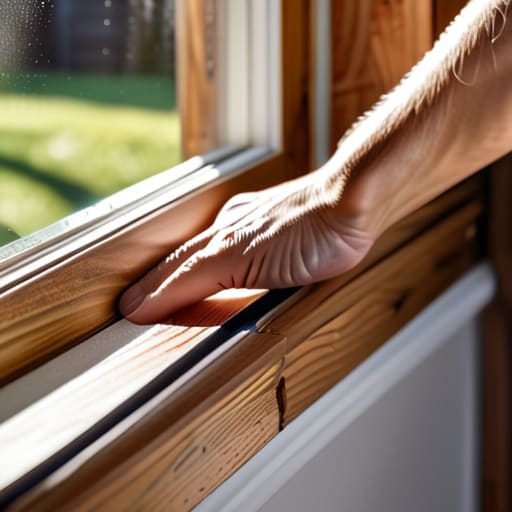
Look, I don’t have the time or the patience for massive, expensive renovations that promise the world but take years to see a return. If you want to see real results, start with the low-hanging fruit. One of my favorite energy efficient home upgrades is simply addressing your drafts. I keep a small roll of weatherstripping in my utility drawer for a reason; spending twenty minutes sealing the gaps around your front door or window frames can stop your expensive heated air from escaping right into the neighborhood. It’s a tiny fix that makes a massive difference in your monthly utility bill.
Next, let’s talk about your lighting. If you’re still walking around with old incandescent bulbs, you’re essentially burning money. Swapping those out for LEDs is a quick win that fits perfectly into a strategy of reducing household carbon footprint without requiring a contractor. It’s not about a complete lifestyle overhaul; it’s about making smart, incremental changes that actually stick. Get the task done, check it off your list, and enjoy the lower bills.
Simple Water Conservation Techniques for Busy Households
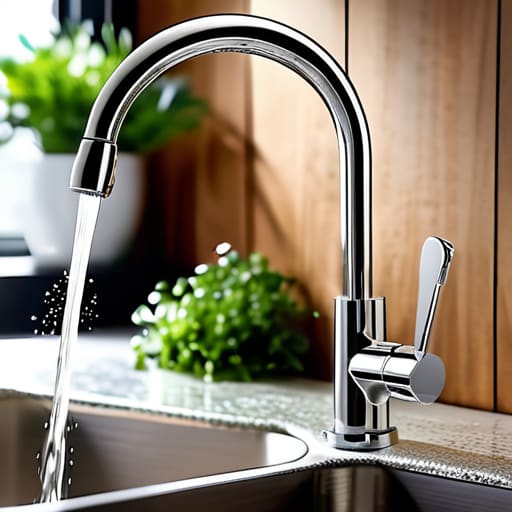
Look, I know what you’re thinking: “I don’t have time to overhaul my entire plumbing system.” I get it. Between managing freelance clients and keeping my teenagers from turning the kitchen into a disaster zone, my schedule is tight. But you don’t need a massive renovation to make an impact. Start with the low-hanging fruit. One of my favorite water conservation techniques is simply swapping out those old, leaky faucet aerators for high-efficiency versions. They cost next to nothing, take five minutes to install, and immediately cut down on wasted flow without sacrificing pressure.
Next, let’s talk about the laundry room. If you’re like me, you’re probably running a load almost every day. To make this more intentional, only run the machine when you have a full load. It sounds like common sense, but in the rush of a busy week, we often neglect it. Pairing this habit with a smart watering schedule for your garden—aiming for early morning or late evening to prevent evaporation—is a massive step toward reducing your household carbon footprint without adding a single item to your mental to-do list. Just small, smart shifts.
Cut the Clutter and the Waste: Five Low-Effort Swaps for a Greener Home
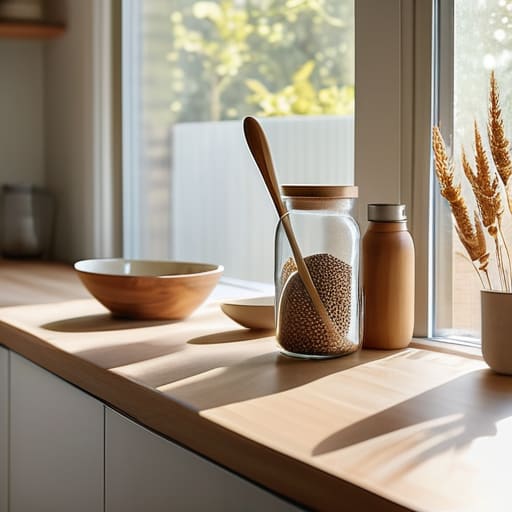
- Stop buying paper towels like they’re going out of style. I finally made the switch to Swedish dishcloths and reusable microfiber cloths, and honestly, my under-sink cabinet has never looked better. They do the job, they wash in the machine, and they save you a trip to the grocery store every week.
- Ditch the single-use plastic wrap. It’s a headache to deal with and it never sticks quite right anyway. I keep a stack of beeswax wraps in the kitchen drawer; they’re easy to use, they actually keep food fresh, and you can just rinse them off and reuse them. It’s one less thing to throw in the trash.
- Audit your cleaning cabinet. You don’t need fifteen different specialized sprays for every surface in your house. Most of the time, a simple mixture of white vinegar, water, and a drop of dish soap will tackle almost anything. It’s cheaper, it’s less toxic for my kids, and it clears out the mental clutter of a crowded pantry.
- Get smart about your lighting. If you haven’t swapped those old incandescent bulbs for LEDs yet, just do it. It takes ten minutes, it’s a one-time task, and you’ll see the difference in your electric bill almost immediately. It’s one of those small, actionable wins that actually pays off.
- Stop letting food go to waste by mastering your fridge organization. I keep a small “eat me first” bin right at eye level for those leftovers or veggies that are starting to look a little sad. It prevents that mid-week realization that you’ve thrown away half your grocery budget, and it keeps the kitchen running smoothly.
The Bottom Line: Keep It Simple
Don’t try to overhaul your entire life in one weekend; pick one small switch, like swapping out old lightbulbs or fixing a leaky faucet, and just get it done.
Sustainability isn’t about being perfect or spending a fortune on high-tech gadgets—it’s about making intentional, practical changes that actually stick.
Focus on the wins that reduce both your utility bills and your mental load, because a functional home should be easy to manage, not another project on your to-do list.
Small Wins, Big Impact
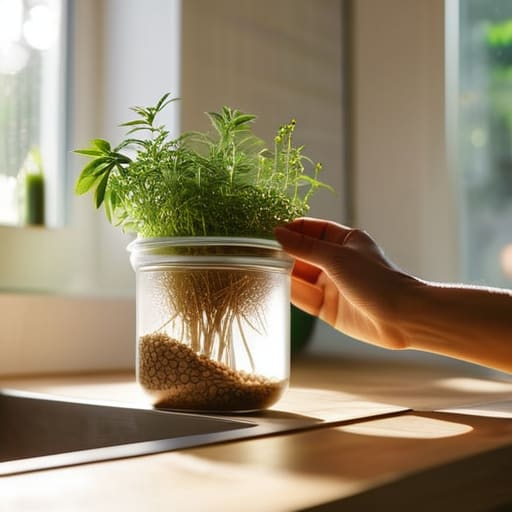
Look, I know how it feels when you stare at a massive to-do list and just want to close your laptop and walk away. Sustainability can feel like another heavy mental load we don’t have time for, but it doesn’t have to be. We’ve covered everything from tightening up your energy usage and swapping out those wasteful habits to being more mindful of how much water is actually running down your drain. You don’t need to install a solar farm or overhaul your entire lifestyle by Monday morning. The goal here isn’t perfection; it’s about making intentional, manageable shifts that reduce waste and save you money in the long run. If you can tackle just one of these upgrades this weekend, you’ve already won.
At the end of the day, my philosophy has always been that a functional home is one that works with you, not against you. Living more sustainably is just another way of practicing that same kind of efficiency. It’s about clearing the clutter—both physical and environmental—so we can focus on what actually matters. Don’t let the “all or nothing” mentality paralyze you. Grab your notebook, pick one small thing from this list, and just get it done. Once you see how much easier (and cheaper) life gets with these small adjustments, you won’t want to go back.
Frequently Asked Questions
I want to go green, but where do I even start without breaking the bank?
Look, I get it. You see those high-end solar setups and organic lifestyle influencers and think you need a massive budget to make a difference. You don’t. Start with the low-hanging fruit—the things that actually save you money while helping the planet. Swap your old incandescent bulbs for LEDs, stop running the dishwasher half-empty, and ditch the single-use plastics in your pantry. It’s about small, intentional shifts, not a total lifestyle overhaul overnight.
Are these eco-friendly swaps actually going to save me time, or am I just adding more to my mental load?
Look, I get it. The last thing you need is another “to-do” that feels like a chore. If a swap makes your life harder, it’s not a win; it’s just clutter. But here’s the truth: most of these are about setting systems, not adding tasks. Swapping to reusable wraps or smarter laundry habits actually reduces decision fatigue in the long run. Focus on the swaps that automate a better habit, and ignore the rest.
How do I know if a product is actually sustainable or if it's just clever marketing?
Look, I’ve seen enough “green” packaging to know that a leaf icon on a box doesn’t mean a thing. Don’t get distracted by the aesthetic. Instead, look for actual third-party certifications like Fair Trade or FSC. Most importantly, check the ingredients list. If they’re hiding behind vague terms like “natural” without explaining what that actually means, they’re likely just greenwashing. If you can’t find the facts, don’t buy it. Keep it simple.