Mastering Every Way to Cook the Perfect Egg
I am so tired of seeing those thirty-minute “gourmet” breakfast tutorials that require a sous-chef and a kitchen full of specialized gadgets just to get a decent meal on the table. Honestly, if I see one more person claim you need a specific temperature-controlled induction burner to master how to cook eggs, I might actually lose it. We aren’t running a Michelin-star restaurant here; we’re just trying to feed ourselves and our families without adding more unnecessary mental load to an already crowded morning.
I’m not here to give you a lecture on culinary theory or sell you a fancy non-stick pan you don’t need. My goal is to give you the straightforward, repeatable wins that actually work when you’re running on five hours of sleep and a mounting to-do list. I’m going to show you the most efficient, no-nonsense ways to get breakfast done so you can stop stressing about perfection and just start eating. Let’s cut through the noise and get to the good stuff.
Table of Contents
Mastering Scrambled Egg Texture Tips Without the Stress
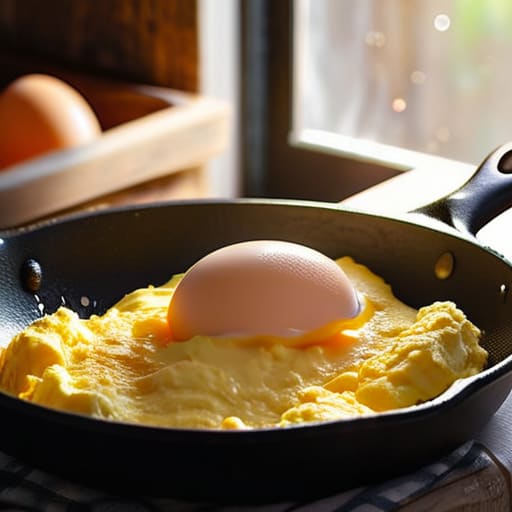
Look, we’ve all been there: you sit down for breakfast only to find a plate of rubbery, dry yellow clumps. It’s frustrating, especially when you’re already running behind. The secret to great scrambled eggs isn’t some culinary degree; it’s all about managing your egg cooking temperatures. If the pan is screaming hot, you’ve already lost the battle. I always recommend using a non-stick skillet—honestly, finding the best pan for eggs is the single biggest way to reduce your morning cleanup stress.
Once you’ve got your pan on medium-low, remember that patience is your best friend. Instead of letting them sit and sear, use a spatula to gently push the curds toward the center. You’re looking for soft, pillowy folds, not fried chunks. Pull them off the heat while they still look slightly too wet; the residual heat from the pan will finish the job on your plate. These simple scrambled egg texture tips might seem small, but they are the difference between a chore and a meal you actually look forward to.
The Best Pan for Eggs and Essential Cooking Temperatures
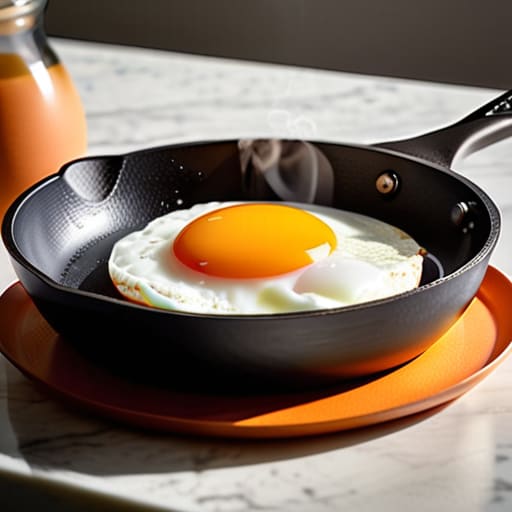
Look, you don’t need a professional chef’s kitchen to get this right, but you do need the right gear. If you’re still trying to cook eggs in a scratched-up stainless steel pan, you’re just asking for a cleanup nightmare. For me, the best pan for eggs is always a high-quality non-stick skillet—ideally something with a heavy base so it distributes heat evenly. I’ve learned the hard way that thin, cheap pans create hot spots that turn a beautiful breakfast into a rubbery mess in seconds.
When it comes to heat, less is almost always more. Most people crank the burner to high because they’re in a rush, but that’s a recipe for disaster. Whether you are practicing a delicate poached egg technique or just frying an egg over easy, you want to aim for medium-low heat. You want the pan warm enough to set the whites without browning the edges into something tough. It’s all about patience; if the pan is smoking, it’s too hot. Slow and steady wins the breakfast race every single time.
Five Small Wins for Better Eggs
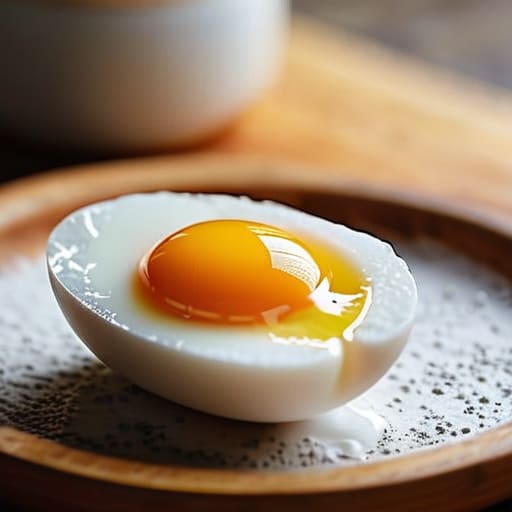
- Crack your eggs into a separate small bowl first. I know it feels like an extra step when you’re rushing, but it’s the only way to ensure you don’t drop a stray piece of shell into your pan or realize too late that an egg has gone bad.
- Don’t salt your eggs too early. If you’re making scrambled eggs, wait until they are almost done before adding salt. Adding it too soon can break down the proteins and leave you with a watery, sad-looking mess.
- Keep the heat low and steady. I’ve seen too many people crank the burner to high because they’re in a hurry, only to end up with rubbery, overcooked eggs. Patience is your best tool here; low heat equals creamy results.
- Use a little bit of fat, not a lot. Whether it’s butter or a light coating of oil, you need that lubrication to prevent sticking, but don’t drown them. You want the flavor of the egg to shine, not the grease.
- Pull them off the heat while they still look slightly wet. Eggs continue to cook in the residual heat of the pan even after you’ve turned the stove off. If they look perfect in the pan, they’ll be overdone by the time you sit down to eat.
The Bottom Line: Keep It Simple
Invest in a decent non-stick pan and stop fighting with your equipment; a good tool makes the job half as hard.
Control your heat—low and slow is the secret to avoiding that rubbery, overcooked texture we all hate.
Don’t let the pursuit of a “perfect” plate ruin your morning; aim for delicious and functional, then get on with your day.
Egg-ing Yourself On
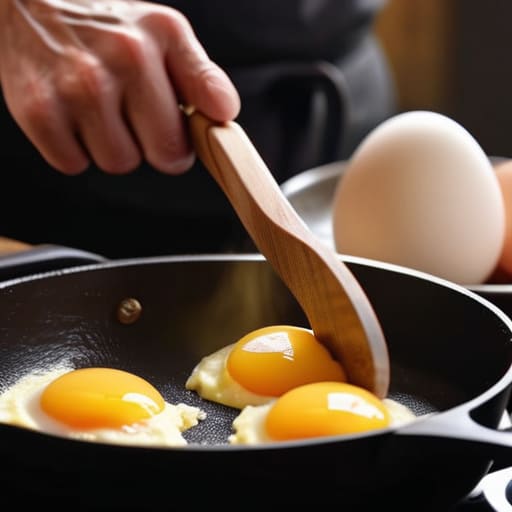
At the end of the day, cooking the perfect egg isn’t about following a rigid, scientific formula that leaves you staring at a timer in a panic. It’s about knowing your tools—using that reliable non-stick pan—and understanding that heat management is everything. Whether you’re aiming for those soft, creamy scrambled eggs or a perfectly set sunny-side up, remember to keep your temperatures controlled and your movements intentional. Once you stop fighting the process and start working with the heat, you’ll find that mastering the basics becomes second nature rather than another chore on your to-do list.
I know how it goes; when you’re juggling a million things, even breakfast can feel like just one more thing to get “right.” But my advice is to stop treating your kitchen like a high-stakes exam and start treating it like a space for small, manageable wins. A good breakfast is a simple way to reclaim a bit of control before the chaos of the day sets in. So, grab your pan, don’t overthink the seasoning, and just get it done. You’ve got this, and honestly, you deserve a meal that actually tastes as good as it looks.
Frequently Asked Questions
How do I know exactly when a hard-boiled egg is done without cutting into them all and making a mess?
Trust me, I’ve wasted way too many eggs by slicing them open just to check the yolk. Here’s the shortcut: use a timer, not guesswork. For a jammy yolk, aim for 7 minutes; for a fully set, classic hard-boiled, go 10 to 12. Once they’re done, move them immediately into an ice bath. That shock stops the cooking and makes them much easier to peel—no more frantic scrubbing in the sink.
Is there a trick to getting the shells to actually slide off easily instead of tearing the egg apart?
Look, I’ve spent way too many mornings staring at a half-peeled hard-boiled egg, feeling like I’m performing surgery. Here’s the trick: it’s all about the thermal shock. Once they’re done, plunge them straight into an ice bath. It tightens the membrane away from the shell. Also, give the egg a gentle tap all over to create tiny cracks, then peel it under a bit of running water. It’s not magic, it’s just physics.
Can I prep these ahead of time for a busy work week, or do they just turn into rubber if they sit in the fridge?
Look, I get it—between client calls and managing a household, “freshly cooked” is a luxury we rarely have. Here’s the truth: if you’re talking about scrambled eggs, they will turn rubbery and sad if they sit in the fridge. If you need to meal prep, stick to hard-boiled or even a quick egg frittata baked in a dish. They hold up much better. Don’t waste your morning reheating something that’s lost its soul.