Keeping a Tidy House When Life Gets Busy
I am so tired of seeing those “aesthetic” organization influencers telling you that you need a $50 acrylic bin for every single item in your pantry to achieve peace. Let’s be real: buying more plastic isn’t the solution to your clutter, and it certainly isn’t how to keep your house tidy in the long run. I spent years in corporate project management thinking I could “systematize” my way out of a messy living room, only to realize that fancy gadgets are just expensive distractions from the actual work. If you’re waiting for a magic product to fix your chaos, you’re just wasting your time and money.
I’m not here to sell you a lifestyle or a new set of containers; I’m here to give you the practical, no-nonsense strategies that actually work when life gets loud. We are going to focus on small, actionable wins—the kind that reduce your mental load without requiring a weekend-long deep clean. I’ll show you how to build sustainable habits that turn your home into a functional space where you can actually breathe and relax. Let’s stop overcomplicating the process and just get it done.
Table of Contents
Decluttering Techniques for Beginners to Reclaim Your Space
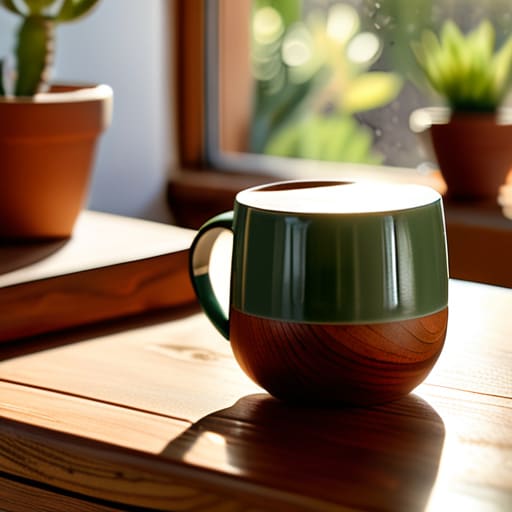
If you’re staring at a mountain of stuff and feeling paralyzed, stop. You don’t need to tackle the whole house in a single weekend; that’s a recipe for burnout, not a clean home. I always tell my clients to start with the “one-surface rule.” Pick one countertop, one coffee table, or even just one junk drawer. Once that small area is clear, you’ll feel that hit of dopamine that makes you actually want to keep going. These simple decluttering techniques for beginners work because they don’t require a massive burst of energy—just a little bit of momentum.
When you’re sorting through the piles, be brutally honest with yourself. If you haven’t touched that gadget or worn those shoes in two years, they aren’t “useful,” they’re just taking up mental real estate. As you clear the physical weight, start looking into effective storage solutions that actually make sense for how you live, not how an Instagram influencer lives. Don’t buy fancy bins before you’ve actually purged the excess. Get the clutter out first, then find a home for what’s left.
Effective Storage Solutions That Actually Work
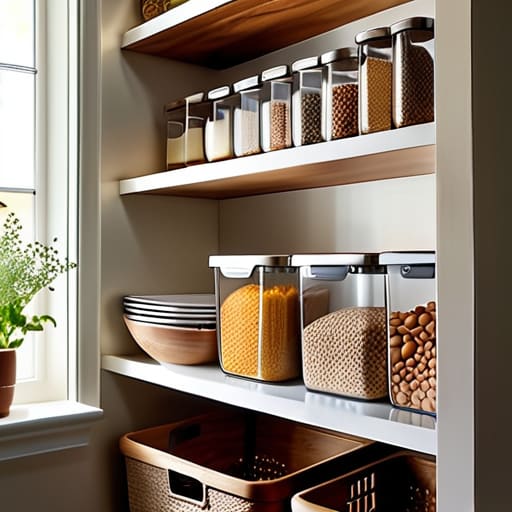
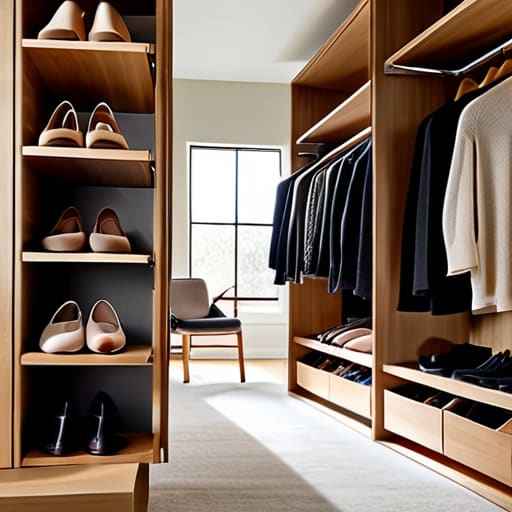
Once you’ve tackled the initial purge, the next step is making sure the stuff you actually kept has a permanent, logical home. I’ve learned the hard way that if an object doesn’t have a “parking spot,” it will inevitably end up on the kitchen island or the entryway bench. When looking for effective storage solutions, skip the trendy, expensive organizers you see on social media and focus on visibility and accessibility. I’m a huge advocate for clear bins in the pantry and open shelving in the craft room; if you can’t see it, you’ll forget you own it, and it’ll just become hidden clutter.
The real secret to maintaining a clutter-free living space isn’t about buying more bins—it’s about intentional placement. I always follow the “prime real estate” rule: items I use every single day go between my hip and eye level. Anything seasonal or rarely used gets relegated to the high shelves or the garage. We need to stop treating storage as a way to hide our mess and start using it as a tool to reduce the mental load of our daily routines.
Five Low-Effort Habits to Stop the Rebound Mess
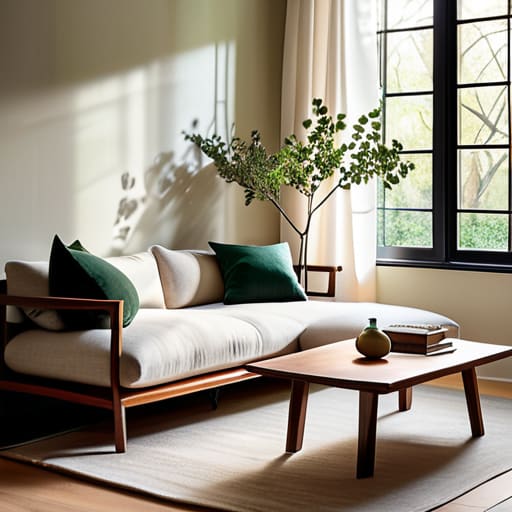
- Use the “One-Touch” rule whenever you walk through the door. Instead of dropping your keys, mail, or coat on the kitchen island to deal with “later,” put them exactly where they belong immediately. If it takes less than thirty seconds, do it now so it doesn’t become a permanent fixture on your counter.
- Set a ten-minute “reset” timer every night before you sit down to relax. I do this every evening in my house; we just move through the common areas, fluff the pillows, clear the coffee table, and load the dishwasher. It prevents the morning chaos from feeling overwhelming.
- Stop the “doom pile” cycle by implementing a daily basket system. If you find things scattered around that don’t belong in the room you’re in, toss them in a small basket. Once a day, take that basket on a lap around the house to drop things back in their homes. It saves you from constant back-and-forth trips.
- Give every single item a “home base.” If you can’t think of a specific spot for a gadget or a piece of decor, it’s going to end up cluttering a flat surface. If it doesn’t have a designated spot, it’s just future clutter waiting to happen.
- Tackle the “sink zero” goal before bed. There is nothing that kills my productivity faster than waking up to a sink full of crusty breakfast dishes. Keeping the sink clear overnight is a small, psychological win that makes your morning coffee feel much more intentional and much less frantic.
The Bottom Line: Making It Stick
Stop aiming for perfection and start aiming for function; a house that works is better than a house that looks like a showroom.
Build small, repeatable habits—like a five-minute nightly reset—to prevent the chaos from ever reaching a breaking point.
Use your storage solutions as tools, not just containers, by ensuring everything has a logical, easy-to-reach home.
Making It Stick
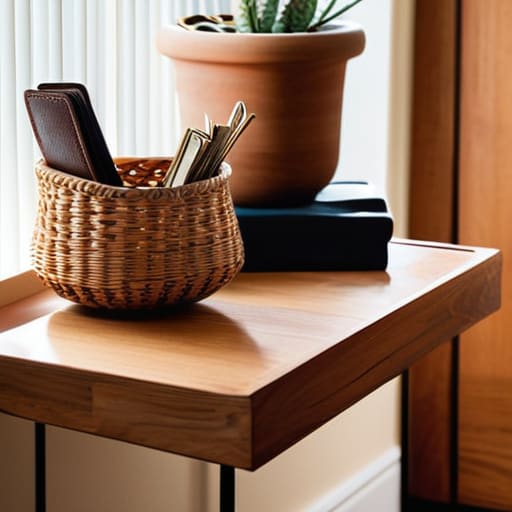
Look, we’ve covered a lot of ground today, from the initial heavy lifting of decluttering to finding those storage solutions that actually make sense for your daily flow. But remember, none of these tools work if you don’t build a system that fits your specific life. You don’t need a perfectly curated showroom; you just need a home where you can find your keys without a meltdown and where the surfaces aren’t constantly buried under mail. It’s about finding that sweet spot between chaos and control by implementing these small, actionable wins consistently, rather than trying to overhaul your entire existence in a single weekend.
At the end of the day, your house should be a place that serves you, not a project that drains your battery. If you miss a day or a drawer gets messy again, don’t beat yourself up—just grab your notebook, reset, and move forward. We aren’t chasing perfection here; we are chasing intentionality and peace of mind. Stop waiting for the “perfect time” to get organized and just start with one small corner. You’ve got this, and I promise, once you clear the physical clutter, you’ll finally have the mental breathing room you deserve.
Frequently Asked Questions
I've cleared the clutter, but how do I actually stop the mess from creeping back in every single week?
The secret isn’t a massive weekend deep-clean; it’s about closing the loop on your daily habits. I call it “the one-touch rule.” If you pick something up, put it where it actually belongs, not just on the nearest flat surface. Don’t let mail pile up on the counter—sort it immediately. If it takes less than two minutes, do it now. Stop treating tidying like a project and start treating it like maintenance.
How do I manage the "doom piles" or shared spaces where everyone in the family dumps their stuff?
Look, we’ve all been there. Those “doom piles” on the entryway table or the kitchen island aren’t just messes; they’re mental weight. My rule? Stop trying to “clean” them and start “zoning” them. Assign one basket per family member in that shared space. If it’s not in their basket, it doesn’t stay on the counter. It stops the constant nagging and puts the responsibility back on them. Small win, less friction.
When life gets chaotic, what are the absolute bare-minimum cleaning tasks I should focus on just to keep my head above water?
Look, when the chaos hits, forget the deep cleaning. You aren’t going to scrub the baseboards today, and that’s okay. Focus on the “Big Three”: clear the kitchen counters, run one load of laundry, and reset the sink. If those three things are done, the mental noise drops significantly. Don’t aim for perfection; just aim for a baseline that lets you breathe. Pick your battles and let the rest wait.