How to Achieve a Minimalist Aesthetic Without Feeling Cold
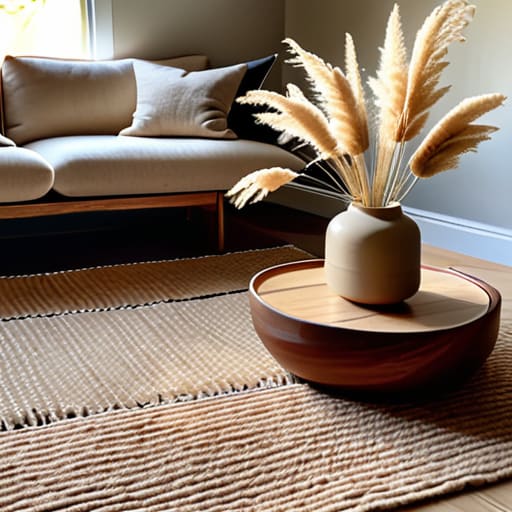
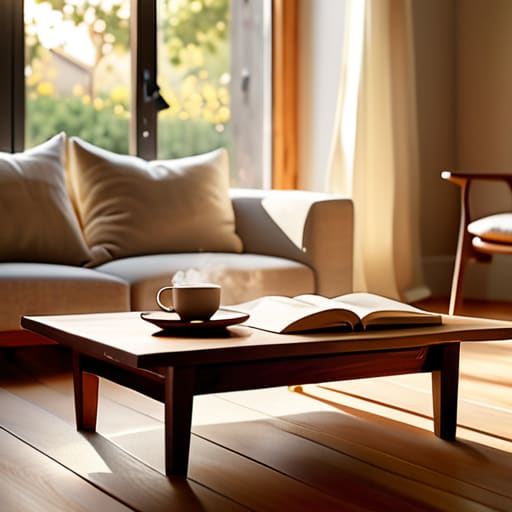
If you think “minimalist home tips” mean living in a sterile, white-walled museum where you aren’t allowed to own a single colorful mug or a soft throw blanket, please stop right now. I see these photos online all the time—empty rooms that look more like high-end showrooms than actual places where people live—and frankly, they’re exhausting. To me, minimalism isn’t about deprivation or spending a fortune on designer empty space; it’s about removing the friction from your daily routine so you can actually breathe.
I’m not here to sell you a lifestyle of emptiness or a complicated ten-step decluttering system that takes three months to complete. Instead, I’m going to give you the straight-talking, practical wins I’ve learned from fifteen years of managing chaotic projects and two teenagers in a suburban fixer-upper. We are going to focus on small, actionable shifts that prioritize function over fluff. My promise to you is simple: no fluff, no expensive aesthetic nonsense, just real-world strategies to help you reclaim your space and your sanity.
Table of Contents
Decluttering Techniques for Beginners Who Need Quick Wins
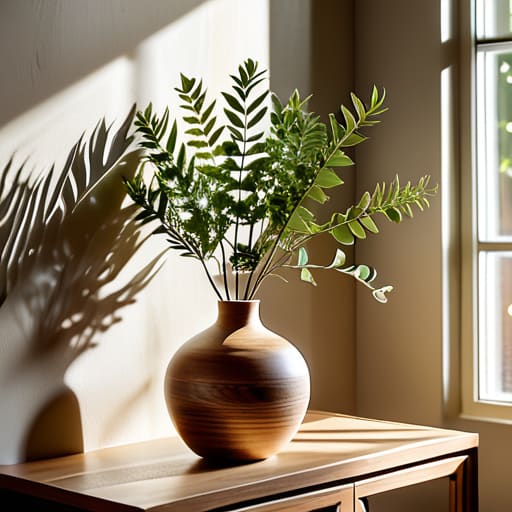
If you’re staring at a mountain of stuff and feeling paralyzed, stop. You don’t need to tackle the whole house this weekend; that’s how you end up burnt out and surrounded by half-empty boxes. Instead, I want you to try the “one-surface rule.” Pick one spot—the kitchen island, the entryway console, or even just that one messy nightstand—and clear it completely. When you focus on reducing household clutter one small zone at a time, you get that immediate hit of dopamine that actually keeps you moving.
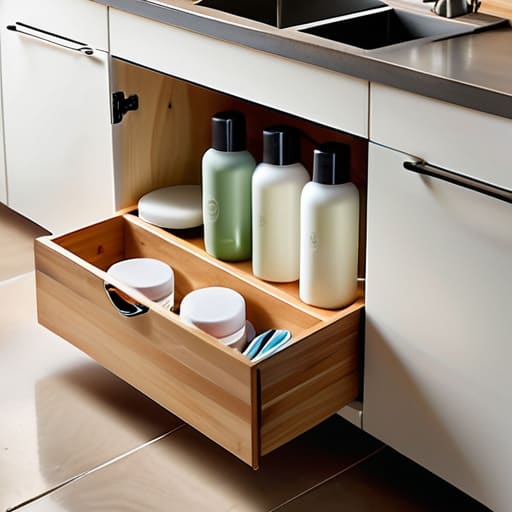
Another approach I swear by is the “container method.” Think of your shelves or drawers as boundaries rather than just storage. If your spices don’t fit in the pantry, you don’t buy a bigger pantry; you prune the spices. This is a core part of intentional living spaces—it forces you to decide what actually earns its place in your daily life. Don’t aim for perfection or a showroom look; just aim for a space that actually works for you. If it doesn’t serve a purpose or bring you genuine peace, it’s just taking up mental real estate you can’t afford.
Creating Intentional Living Spaces Without the Stress
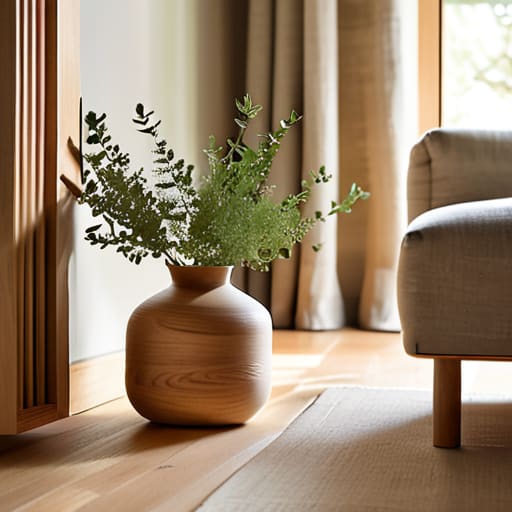
Once you’ve tackled the initial purge, the real work begins: deciding what actually earns a spot in your home. I used to think minimalism meant living in a white box with nothing but a single chair, but that’s not practical for real life. To me, creating intentional living spaces is about ensuring every object serves a purpose or brings a genuine sense of calm. It’s the difference between a room that feels empty and a room that feels purposeful. If you wouldn’t reach for it in a pinch or it doesn’t make your morning routine smoother, it’s just taking up mental real estate.
I like to approach this using a bit of a capsule wardrobe for home organization mindset. Just like you wouldn’t keep twenty mediocre sweaters in your closet, don’t keep ten mediocre kitchen gadgets that you only use once a year. Focus on high-quality, multi-functional pieces that actually work. When you stop trying to accommodate “just in case” items, you’ll find that reducing household clutter becomes much more about curation and much less about deprivation.
Five Small Shifts to Keep the Chaos at Bay
- Stop the “just in case” hoarding. If you haven’t touched that gadget or that extra set of linens in two years, it’s not a safety net—it’s just clutter taking up mental space. Let it go.
- Give every single object a “home base.” If your keys, mail, or scissors don’t have a designated spot to land, they will inevitably end up migrating across your counters like a slow-moving tide.
- Implement a “one in, one out” rule for your main living areas. If you bring home a new throw pillow or a new kitchen gadget, something else from that category has to find its way to the donation bin.
- Clear your flat surfaces every single night. I keep a small notebook by the kitchen sink for a reason; once the counters are clear, the visual noise drops, and my brain finally feels like it can clock out for the evening.
- Focus on quality over sheer volume. I spent years buying cheap organizers that broke within a month. Invest in a few sturdy, functional pieces that actually do the job, and you won’t feel the need to keep replacing them.
The Bottom Line: Small Steps for Real Change
Stop trying to overhaul your entire life in a single weekend; focus on one drawer, one shelf, or one corner at a time to keep the momentum going without the burnout.
Functionality should always trump aesthetics—if a beautiful piece of decor is just collecting dust and causing mental clutter, it doesn’t belong in your space.
Keep a running list of small repairs and organizational gaps in a notebook so you can tackle them systematically rather than letting them become overwhelming mental burdens.
The Small Wins Add Up
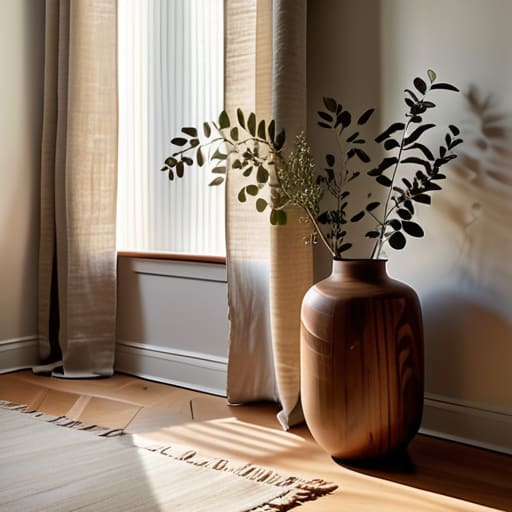
At the end of the day, minimalism isn’t about living in a cold, empty white box or owning exactly thirty items; it’s about making sure everything you own actually serves a purpose or brings you genuine peace. We’ve talked about how to tackle the clutter without burning out, how to create spaces that breathe, and how to stop letting the “stuff” dictate your mood. Remember, you don’t have to overhaul your entire house by Sunday afternoon. Start with that one junk drawer or that single corner of the kitchen counter that’s been driving you crazy. The goal is intentionality over perfection, and once you start making those small, functional choices, the momentum will take care of the rest.
I know how it feels when the house feels like it’s closing in on you, but I promise you, you are capable of reclaiming your space. Don’t let the scale of the task paralyze you. Just grab one of my little notebook tricks—pick one tiny area, set a timer for fifteen minutes, and just get it done. You deserve a home that supports your life rather than one that adds to your mental load. Now, put down the phone, go pick one spot, and go make a little room for yourself to breathe. You’ve got this.
Frequently Asked Questions
How do I decide what to keep when I’m dealing with sentimental items that don't actually serve a purpose?
This is the hardest part, isn’t it? I used to keep every macaroni necklace and old concert ticket, thinking I was preserving memories, but I was really just hoarding paper. Here’s my rule: don’t keep the object; keep the memory. Take a high-quality photo of the item instead. It takes up zero square inches. If it’s truly precious, pick one small “memory box” for the house. If it doesn’t fit in the box, it doesn’t stay.
I don't have a huge budget—can I actually achieve a minimalist look without buying a whole new set of matching containers?
Honestly? You absolutely can. In fact, I’d argue that buying a bunch of matching plastic bins is just “cluttering” in a different form. That’s how you end up with a house full of stuff you don’t actually need. Instead, look at what you already own. Repurpose glass jars from your pantry or reuse sturdy cardboard boxes by wrapping them in simple brown paper. It’s about function and visual calm, not a catalog aesthetic.
What do I do when my family members aren't on board with the decluttering process?
Look, I’ve been there. You’re ready to purge the junk drawer, and your teenager looks at you like you’re declaring war. Don’t force it; that just leads to resentment and hidden piles. Instead, focus on “common ground” zones—the entryway or the pantry—where everyone benefits from the order. Use the “one-in, one-out” rule and keep your requests small. If they feel in control of their own space, they’ll eventually stop fighting your progress.