How to Whip Up a Stir-fry With Whatever’s on Hand
Stop wasting your money on those overpriced, pre-packaged meal kits that claim to teach you how to make a stir fry, only to leave you with a mountain of plastic waste and half-wilted broccoli. Honestly, the idea that you need a specialized, high-end carbon steel wok and twenty different exotic sauces just to get a decent meal on the table is complete nonsense. Most of those “authentic” recipes online are so overcomplicated they turn a quick weeknight dinner into a full-blown project management crisis.
I’m not here to give you a culinary lecture or a shopping list that requires a trip to three different specialty markets. My goal is to show you how to master the basics using what you actually have in your pantry and fridge. I’ll walk you through the simple, repeatable rhythm of heat, timing, and prep so you can stop overthinking dinner and just get it done. We’re going to focus on small, actionable wins that result in a hot, delicious meal in under twenty minutes—no fluff, no fuss, just real food.
Table of Contents
Mastering Vegetable Prep for Stir Fry Without the Mess
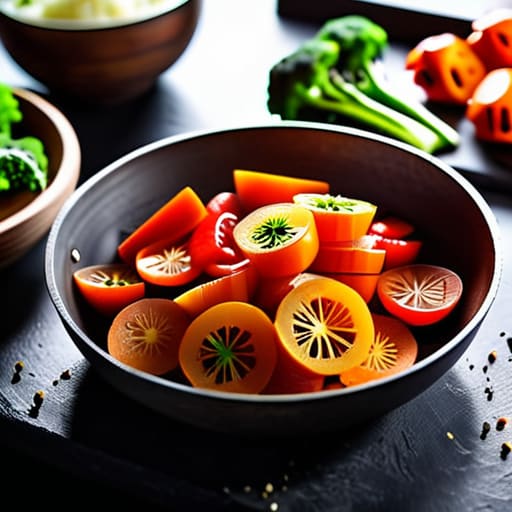
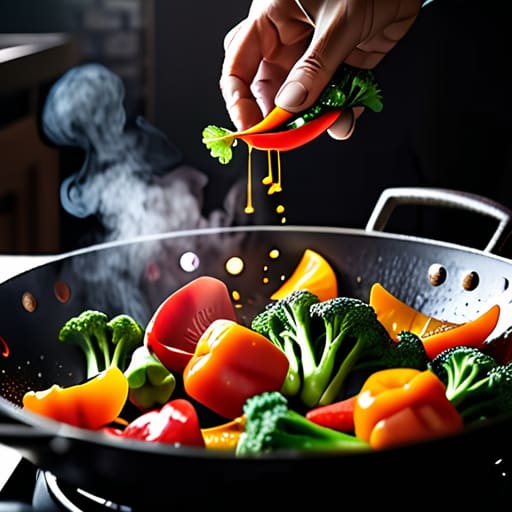
Look, the biggest mistake I see people make is trying to chop as they go. If you’re standing over a steaming pan trying to dice a bell pepper while your garlic is already burning, you’ve already lost the battle. To keep things from turning into a chaotic mess, I treat vegetable prep for stir fry like any other project: I stage everything first. Get your cutting board out, clear the clutter, and group your ingredients by how long they take to cook. Harder veggies like carrots or broccoli go in one pile; leafy greens or delicate sprouts go in another.
I also swear by the “one-bowl method” for my aromatics. Instead of running back and forth to the spice cabinet, I mix my ginger, garlic, and any extra stir fry sauce ingredients in a small ramekin before I even turn on the burner. This keeps my workspace clean and ensures I’m not scrambling when the heat is at its peak. Once everything is prepped and measured, the actual cooking becomes a breeze rather than a race against the clock.
Protein Marinating for Stir Fry to Save Time
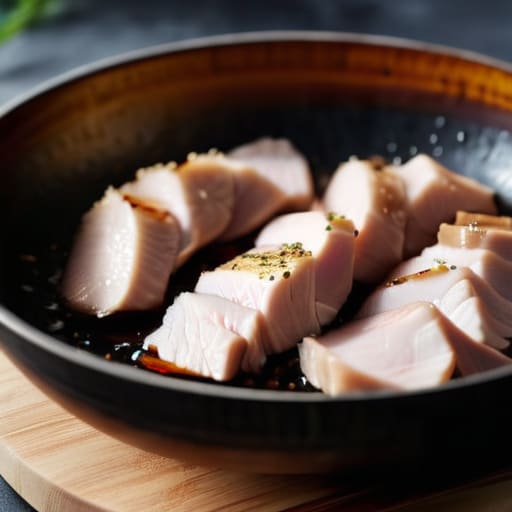
Here’s the thing about protein: if you wait until the pan is screaming hot to start thinking about flavor, you’ve already lost the battle. I’ve learned through years of frantic weeknight dinners that protein marinating for stir fry is the ultimate shortcut to professional results. You don’t need a chemistry degree or a pantry full of exotic imports; just grab a small bowl and toss your sliced chicken, beef, or tofu in a splash of soy sauce, a teaspoon of cornstarch, and a tiny bit of oil. This simple step acts as a tenderizer and ensures that when the meat hits the pan, it stays juicy rather than turning into rubbery bits.
If you’re looking to capture those authentic stir fry flavors without the guesswork, try prepping your marinade the night before or even during your morning coffee break. The cornstarch is the real secret weapon here—it creates a velvety coating that helps your stir fry sauce ingredients cling to the meat instead of sliding off into the bottom of the wok. It’s all about that small, intentional prep work that pays off when you’re actually standing at the stove.
5 ways to keep your kitchen from turning into a disaster zone
- Get your sauce ready before you even touch the stove. Trust me, once that pan starts smoking, you aren’t going to have the headspace to hunt for the soy sauce or cornstarch. Mix it in a small bowl beforehand so you can just pour and go.
- Heat that pan until it’s screaming hot. A lukewarm pan is the fastest way to end up with soggy, sad vegetables instead of that crisp, restaurant-style sear. If it’s not sizzling the second the food hits, you aren’t ready.
- Don’t crowd the pan. It’s tempting to dump everything in at once, but if you pile it too high, the temperature drops and you’re basically steaming your food. Work in batches if you have to—it’s better to do it twice than to do it poorly once.
- Cut everything to a uniform size. I know, it sounds tedious, but if your carrots are huge chunks and your peppers are slivers, one will be raw while the other is mush. Consistency is the key to even cooking.
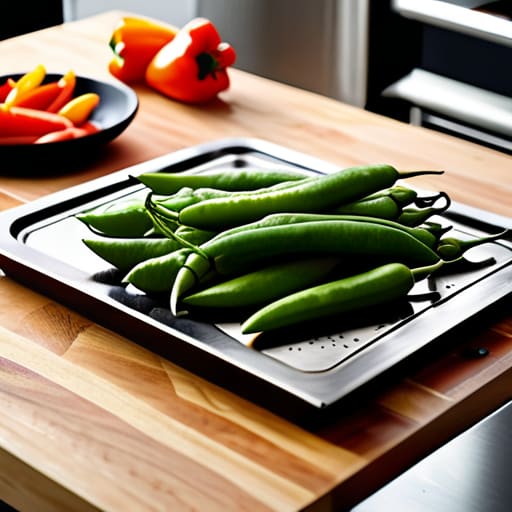
- Keep the order of operations simple. Start with your hardest veggies (like broccoli or carrots), move to the softer ones (peppers or snap peas), and throw the aromatics like garlic and ginger in at the very last second so they don’t burn and turn bitter.
The quick wins for a stress-free stir fry
Prep everything before the heat hits the pan; once that oil is shimmering, you won’t have time to hunt for the garlic.
Don’t skip the marinade—even ten minutes of salt and a splash of soy sauce makes a massive difference in how the protein holds up.
Keep your knife work uniform so everything cooks at the same rate, preventing that annoying mix of mushy veggies and raw meat.
Get It on the Table
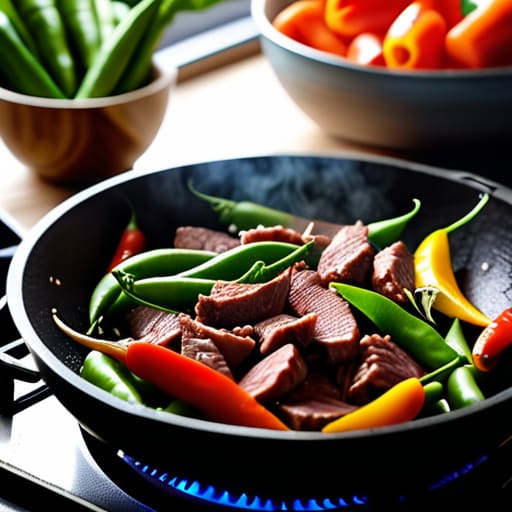
At the end of the day, a successful stir fry isn’t about following a rigid recipe from a glossy cookbook; it’s about the groundwork you did before the heat even touched the pan. By handling your veggie prep early and giving your protein a quick marinade, you’ve already won half the battle. You’ve bypassed the mid-dinner panic of chopping onions while the garlic is already burning, which is exactly how we avoid that unnecessary kitchen chaos. Remember, the goal here is to keep the workflow steady so that when you finally turn on that burner, you’re just executing a plan rather than scrambling to catch up. Once you have your ingredients organized and your proteins ready, you’re just one hot pan away from a finished meal.
Don’t let the fear of a messy kitchen or a slightly uneven chop stop you from making this a staple in your weekly rotation. Life is far too hectic to spend every evening staring at a pile of takeout menus when you have the tools to feed yourself well in under twenty minutes. Perfection is overrated; what matters is that you’ve created a system that works for your schedule and your sanity. So, grab your wok, trust your prep, and just get it done. You’ll find that once you master this rhythm, you’ll spend less time stressing over dinner and more time actually enjoying it.
Frequently Asked Questions
What’s the best way to keep my vegetables from turning into mush?
The secret is all about heat management and timing. Don’t dump everything in at once. Start with your “hard” veggies—carrots, broccoli, or bell peppers—and let them get a head start. Save the delicate stuff, like spinach or snap peas, for the last sixty seconds. Most importantly, don’t crowd the pan. If you pile it too high, the temperature drops, the veggies steam in their own juices, and you end up with mush instead of crunch.
I don't have a wok—can I actually get good results using a regular skillet?
Look, I’ve been there. You’re halfway through prep and realize the wok is buried in the back of the pantry. Honestly? Don’t sweat it. You can absolutely get great results with a regular heavy-bottomed skillet or even a cast iron pan. The trick is to work in smaller batches. If you crowd a flat pan, your veggies will steam instead of sear, and nobody wants mushy broccoli. Keep it moving, keep the heat high, and you’re golden.
How do I prevent the sauce from getting too watery or clumping up?
The secret is all in the cornstarch slurry. Never just dump cornstarch straight into a hot pan; it’ll clump into those annoying little white balls that ruin the texture. Instead, whisk your cornstarch into a small bowl with a little cold water first. Once your sauce is simmering, pour that mixture in slowly. It’ll thicken up beautifully and give you that glossy, restaurant-style coating that actually sticks to your veggies.