Lighting Hacks to Instantly Elevate Your Interior
I was sitting in my living room last Tuesday, staring at a single, aggressive overhead light that made my mid-century sideboard look like a crime scene, and I realized something: most of the advice you find online about home lighting tips is absolute nonsense. You don’t need a thousand-dollar designer chandelier or a complete electrical overhaul to fix a room that feels “off.” We’ve been sold this idea that lighting has to be complicated and expensive, but usually, you’re just struggling because you’re relying on one lonely bulb to do all the heavy lifting. It’s not about luxury; it’s about not feeling like you’re living in a sterile hospital ward.
I’m not here to sell you on expensive mood boards or high-concept aesthetics that are impossible to maintain with two teenagers running through the house. Instead, I’m going to give you the practical, no-nonsense ways I’ve learned to layer light to actually make a home feel functional and calm. We’re going to talk about where to place a lamp, which bulbs won’t give you a headache, and how to stop squinting in the dark once and for all. Let’s just get it done.
Table of Contents
Mastering Layered Lighting Techniques Without the Headache
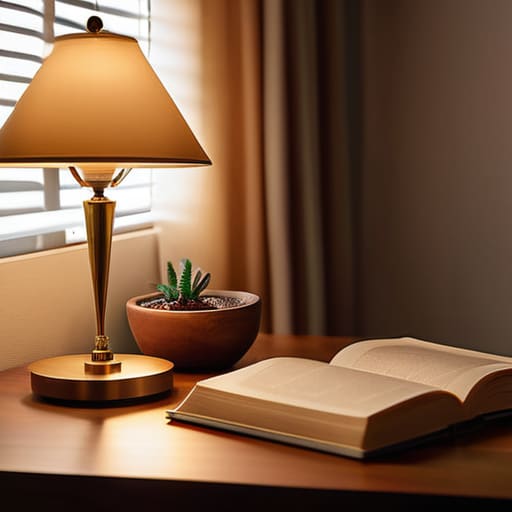
Look, you don’t need a professional designer or a massive renovation budget to get this right. The secret is simply understanding the difference between ambient vs task lighting. If you rely solely on that single, harsh overhead fixture in the middle of the room, you’re essentially living in a sterile hospital wing. To fix this, I like to layer my light. Start with a soft base of ambient light to fill the room, then add specific task lamps where you actually do things—like a sturdy brass lamp on the desk for reading or bright under-cabinet lights in the kitchen.
Once you have your layers, the real magic happens when you play with the mood. I’m a huge advocate for dimmer switch benefits; being able to dial back the brightness in the evening is a total game-changer for lowering your cortisol levels after a long day. Also, pay attention to your color temperatures. I always lean toward a warmer light temperature for living areas to keep things cozy, rather than that clinical, blue-ish glare that makes a home feel cold. It’s about creating a space that actually feels like a sanctuary.
Ambient vs Task Lighting Setting the Right Mood Fast
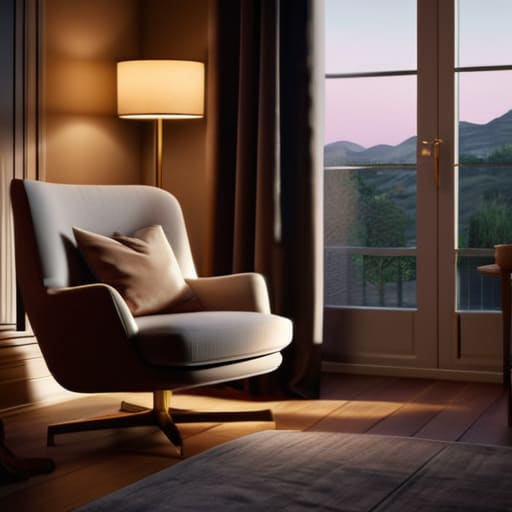
Look, I’ve spent too many evenings trying to read a book under a harsh overhead light that felt more like an interrogation room than a living room. That’s the classic mistake: treating your main ceiling light as your only source of illumination. To fix this, you need to understand the fundamental difference between ambient vs task lighting. Ambient lighting is your base layer—the soft, overall glow that fills the room so you aren’t tripping over the dog. Task lighting, on the other hand, is purposeful. It’s that focused lamp on your desk or the bright light over your kitchen island that actually lets you get things done without straining your eyes.
The real magic happens when you stop choosing between them and start using both. If you’re working on a project at the dining table, you need a dedicated lamp, but you don’t want to sit in a dark void otherwise. I always suggest looking into warm vs cool light temperature to bridge the gap. Use warmer tones for your ambient glow to keep things cozy, and save the crisper, cooler light for your task areas. It’s a simple shift, but it makes a massive difference in how much your home actually supports your daily routine.
Five Quick Wins to Fix Your Lighting Before Dinner
- Ditch the “big light” whenever you can. That single, harsh overhead fixture is a mood killer; instead, scatter a few small lamps around the room to create a softer, more forgiving glow.
- Check your bulb temperatures. If your living room feels like a sterile hospital wing, you’ve likely got cool white bulbs in there—swap them for “warm white” to actually feel relaxed.
- Put your lamps on timers or smart plugs. There’s nothing more annoying than walking into a dark house or realizing you left the porch light on all night; let technology handle the heavy lifting for you.
- Don’t ignore your task lighting. If you’re squinting while chopping veggies or reading at the dining table, you aren’t being productive—you’re just giving yourself a headache. Get a dedicated, adjustable light in those spots.
- Use mirrors to cheat the system. If you have a dim corner that feels depressing, place a mirror opposite a window or a lamp to bounce that light around and make the whole room feel less cramped.
The Quick-Fix Checklist
Stop relying on that one harsh overhead light; mix in a few floor lamps or table lights to actually soften the edges of the room.
Match your bulb temperature to the task at hand—use cool, bright light for reading or cooking, and warm, dim tones for winding down.
Don’t overthink the tech; sometimes the simplest win is just swapping out a dying bulb for a better one instead of buying a whole new fixture.
Lighting Your Way Forward
At the end of the day, getting your lighting right isn’t about following some expensive interior design manual or buying every smart gadget on the market. It’s about the basics: layering your light so you aren’t stuck squinting over a cookbook, and choosing the right warmth so your living room feels like a sanctuary rather than a sterile office. Remember, it’s the small, intentional shifts—like swapping a harsh bulb for a softer glow or adding a simple lamp to a dark corner—that actually make a difference in how your home functions. Don’t feel like you have to do it all in one weekend; just start with one room and see how much lighter you feel.
I know how easy it is to let these little things slide when life gets busy, but your environment dictates your mood more than you realize. When your space is properly lit, the mental load feels just a little bit lighter, and the chaos of the day starts to recede. My advice? Stop overthinking the aesthetics and just fix the shadows. Once you create a space that actually supports your daily rhythm, you’ll wonder why you waited so long to get it done. Now, grab a bulb screwdriver and get to work.
Frequently Asked Questions
I don't want to rewire my whole house; what are some easy ways to add lighting without calling an electrician?
Look, I get it. The last thing anyone needs is a massive renovation bill and a hole in the drywall. You don’t need an electrician to fix a dark corner. Grab some high-quality plug-in sconces and use command strips to mount them, or go heavy on cordless, rechargeable LED puck lights under your cabinets. Honestly? A few well-placed floor lamps and some smart bulbs can completely transform a room without touching a single wire.
How do I pick the right "warmth" for my bulbs so my living room doesn't feel like a sterile doctor's office?
Look for the Kelvin scale on the box—that’s your secret weapon. If you want a cozy, lived-in feel, stay between 2700K and 3000K. Anything higher, like 4000K or 5000K, is going to make your living room feel like a sterile exam room or a high-security warehouse. Stick to those warmer numbers, and you’ll get that soft, inviting glow that actually lets you relax after a long day.
Is it actually worth the money to install dimmer switches, or should I just stick to smart bulbs?
Look, I’ve been through the “smart bulb vs. dimmer” debate more times than I can count. If you want a seamless, tactile experience that works every single time without checking an app, go with dimmer switches. They’re a one-time installation that adds real value and reliability. Smart bulbs are great for color-changing fun, but for actual mood control and reducing that end-of-day mental load? Dimmer switches win hands down. Get the switches.