How to Make Your House Smell Incredible Using Natural Methods

I was halfway through refinishing a mid-century credenza last Tuesday when it hit me—that unmistakable, heavy scent of dampness and old cooking grease that seems to cling to the very walls of a lived-in home. It’s that moment where you realize you aren’t just fighting a single bad smell; you’re fighting the invisible buildup of daily life. Most people think the answer is to go out and buy a dozen overpriced, chemically-laden air fresheners that just end up creating a nauseating floral fog. But let’s be real: masking a scent isn’t the same as solving the problem, and if you’re looking for how to get rid of household odors for good, you need to stop layering perfume over trash.
I’m not here to sell you on some luxury candle or a complicated ten-step aromatherapy ritual. I want to give you the straight-talking, practical wins that actually work. I’ve spent years testing what sticks and what’s just expensive marketing fluff, and I’m going to share the exact methods I use to keep my own house smelling fresh and functional. We are going to focus on intentional, low-effort fixes that tackle the source of the stench rather than just hiding it. Let’s get to work.
Table of Contents
Eliminating Kitchen Smells Without the Expensive Sprays
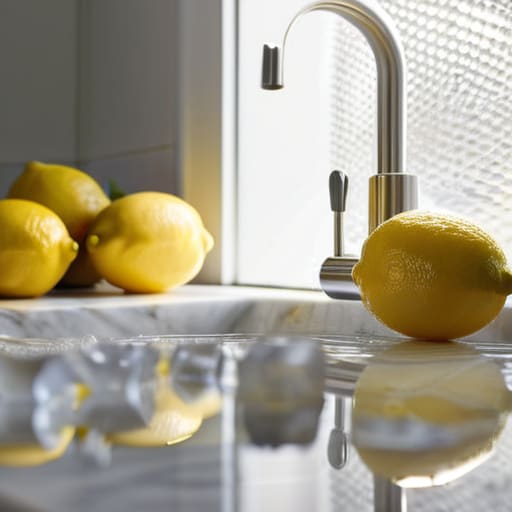
Let’s be honest: most of those expensive, neon-colored aerosol sprays don’t actually clean anything; they just layer a sickly-sweet perfume over last night’s garlic pasta. It’s a waste of money and, frankly, it makes my head ache. If you want to actually tackle eliminating kitchen smells, you need to go after the source, not just mask it. Start with the obvious culprits—the trash can and the garbage disposal. I always keep a half-lemon in the fridge specifically for this; toss a few rind pieces down the disposal with some ice cubes and run it. It’s a quick, no-nonsense way to freshen things up without a trip to the store.
For those lingering scents that seem baked into the air, I swear by a simple baking soda odor absorber. I keep a small, open bowl of it tucked near the pantry or under the sink. It works silently in the background to pull moisture and scent out of the air. If you’re feeling a bit more proactive, you can even simmer a pot of water with some cinnamon sticks and orange peels on the stove. It’s a much better natural air freshener DIY than anything you’ll find in a pressurized can.
Neutralizing Pet Odors for a Fresh Happy Home
If you’ve ever walked through your front door and immediately felt like you were being greeted by a “dog smell,” you aren’t alone. I’ve spent years trying to balance my love for my pets with my desire for a home that doesn’t smell like a kennel. The mistake most people make is trying to mask the scent with heavy perfumes, which just creates a weird, floral-meets-wet-dog aroma. Instead, focus on neutralizing pet odors at the source. If your dog has a favorite sleeping spot, start by washing their bedding in hot water with a cup of white vinegar—it’s a game changer for breaking down those organic oils.
For the harder-to-reach spots, like rugs or fabric sofas, don’t reach for the heavy chemicals. I swear by a simple baking soda odor absorber method. Sprinkle a generous layer of baking soda over your carpets, let it sit for at least thirty minutes (or overnight if you can manage it), and then vacuum it up. It’s one of those small, actionable wins that actually works without adding more toxins to your living space.
Quick Wins for a House That Actually Smells Clean

- Stop masking the problem with heavy floral candles. If you have a lingering scent, you need to find the source, wipe it down, and then let the air circulate. Open a window for twenty minutes—even if it’s chilly—to let the stale air out.
- Grab a box of baking soda and get to work on your soft surfaces. Sprinkle it liberally over your rugs, fabric sofas, and even your mattress. Let it sit for at least thirty minutes to soak up the odors before you vacuum it all up.
- Don’t forget your trash cans. Even after you take the bag out, a film of grime often stays at the bottom. Give the bin a quick scrub with some warm soapy water or a splash of vinegar to stop that sour smell from coming back the moment you put a new bag in.
- Check your laundry nook. If you’ve been leaving damp towels in a pile, you’re asking for a mildew situation. Make sure everything is bone-dry before it hits the linen closet, and occasionally run an empty cycle in your washing machine with a bit of white vinegar to clear out the buildup.
- Treat your drains like the problem they are. Once a week, pour some baking soda down the kitchen and bathroom drains followed by hot water. It’s a simple, five-minute habit that prevents those nasty, stagnant smells from creeping up through the pipes.
My Quick Cheat Sheet for a Fresh House
Stop masking smells with heavy perfumes; focus on neutralizing the actual source with things like baking soda or white vinegar instead.
Tackle the “hidden” odor zones—like your garbage disposal or the bottom of the pet crate—before they turn into a full-blown problem.
Keep a regular, low-effort maintenance routine so you aren’t spending your entire Saturday scrubbing out old smells.
Bringing It All Together
At the end of the day, getting rid of those stubborn smells isn’t about buying a dozen fancy, chemical-heavy canisters from the grocery store aisle. It’s about being intentional with what you already have in your pantry and your cleaning closet. We’ve covered how to tackle the grease and garlic lingering in the kitchen, how to manage the inevitable mess that comes with our furry friends, and how to keep the air moving so things don’t get stale. If you focus on these small, targeted interventions—like a bit of baking soda here or a deep vacuuming there—you’ll find that the heavy lifting is actually pretty manageable. Don’t let a lingering scent make you feel like your house is falling apart; just address the source and move on with your day.
I know how it feels when the house starts to smell a little “lived-in” and it suddenly feels overwhelming, like you’ve lost control of your sanctuary. But remember, a home is meant to be used, not kept under a glass bell jar. These quick fixes aren’t just about aesthetics; they are about reducing your mental load so you can actually relax when you sit down on the sofa. You don’t need a professional cleaning crew to reclaim your space. Just grab your notebook, pick one area to tackle, and get it done. You’ve got this.
Frequently Asked Questions
I've cleaned everything, so why does my house still smell a little "off" all of a sudden?
Honestly? It’s probably the things you can’t see. When you’ve scrubbed the surfaces but the air still feels heavy, look at your soft goods. Curtains, throw pillows, and even your area rugs act like giant sponges for odors. They soak up cooking grease, pet dander, and just plain old life. Grab some fabric refresher or, better yet, toss those pillow covers in the wash. Sometimes, you have to clean the air, not just the counters.
Are there any natural ways to keep the air smelling good without using heavy artificial scents?
Look, I’m all for a house that smells clean, but I can’t stand those heavy, synthetic sprays that make me feel like I’m breathing in a chemistry lab. If you want a natural scent, keep it simple. Simmer some lemon slices and rosemary on the stove, or keep a small bowl of dried lavender in your linen closet. It’s about subtle layers, not masking problems with artificial perfumes. Just let nature do the work.
How often should I actually be deep-cleaning my soft surfaces like curtains and rugs to prevent smells from sticking?
Look, I don’t believe in cleaning just for the sake of being busy, but you can’t ignore soft surfaces forever. For rugs in high-traffic areas, aim for a deep steam clean every six to twelve months. Curtains are a bit different; since they trap dust and cooking grease, I try to wash or dry-clean them once a year. If you have pets or kids, bump that up. Just keep a consistent rhythm so the smells don’t settle in.