How to Build Salads You’ll Actually Crave
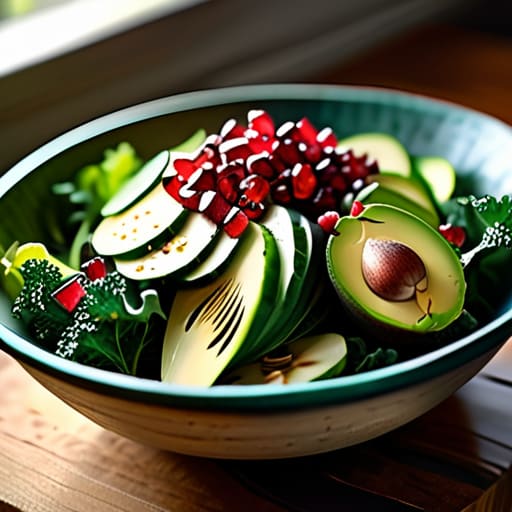
I am so tired of seeing those “gourmet” salad recipes online that require a trip to three different specialty grocery stores and forty-five minutes of prep work just to feel like you’re eating something other than wet grass. If I see one more list of expensive, hard-to-find microgreens or artisanal oils, I might actually lose it. Let’s be real: most people don’t need a culinary degree; they just need to know how to make salad interesting without turning their kitchen into a chaotic disaster zone. We aren’t trying to win a Michelin star here; we’re just trying to actually enjoy our lunch before the next meeting starts.
I’m not going to waste your time with fluff or complicated techniques that require a dozen different bowls. Instead, I’m going to give you my personal, battle-tested framework for building a bowl that actually satisfies. I’ll show you how to use basic pantry staples and a few smart texture swaps to create something genuinely craveable. This is about practical wins and maximum flavor with minimum mental load. Let’s stop settling for sad, limp lettuce and just get it done.
Table of Contents
Mastering Flavor Balancing in Salads Without the Fuss
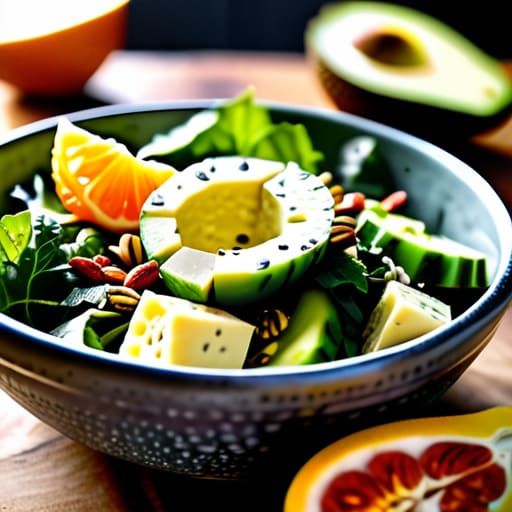
Look, we’ve all been there: you’re staring at a bowl of wilted spinach and some lonely cucumber slices, wondering why you even bothered. The secret isn’t some complicated culinary technique; it’s all about flavor balancing in salads. If your bowl tastes flat, you’re likely missing one of the four pillars: salt, fat, acid, or heat. If it’s too heavy on the oil, hit it with a squeeze of lemon or a splash of apple cider vinegar. If it’s all acid and no soul, grab some feta or avocado to bring that creamy fat back into the mix.
Don’t go overboard with store-bought bottles, either. I always keep a few simple salad dressing recipes on a sticky note in my pantry—usually just olive oil, Dijon, and a bit of honey. Once you nail that base, you can start playing with seasonal salad ingredients like roasted squash in the fall or fresh berries in the summer. It’s not about being a chef; it’s just about making sure every bite actually has something to say.
The Secret to Adding Texture to Salads Every Single Time
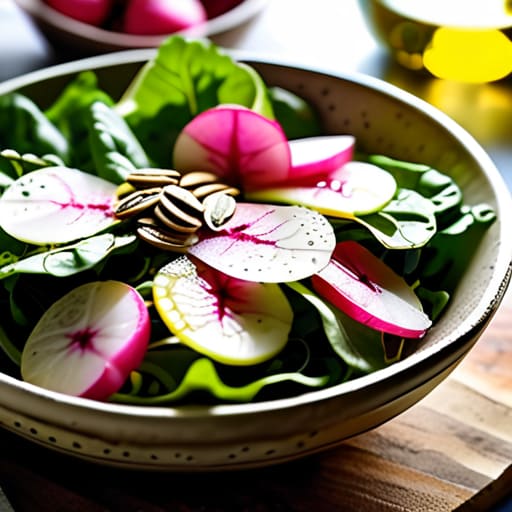
If you’ve ever finished a bowl of greens and felt like you were just chewing on wet paper, you’re missing the most important part: the crunch. I call it the “sensory check.” A salad without texture is just a chore to eat, and I don’t have time for chores that don’t satisfy. When I’m adding texture to salads, I look for that sharp contrast between the soft leaves and something substantial. Think toasted sunflower seeds, sliced radishes, or even a handful of pita chips crushed on top. It’s the difference between a side dish you ignore and a meal you actually look forward to.
Don’t overthink it, either. You don’t need a culinary degree; you just need a pantry staple or two. If you want to turn a basic bowl into something more substantial, look into healthy salad toppings like roasted chickpeas or diced cucumbers. These little additions provide that much-needed resistance when you bite down. My rule of thumb? If everything in the bowl is soft, add something loud. It keeps your palate engaged and makes the whole experience feel intentional rather than accidental.
Five Ways to Stop Treating Salad Like an Afterthought
- Don’t just use one dressing; make a quick vinaigrette with whatever olive oil and vinegar you have in the pantry. A little Dijon mustard or a squeeze of lemon goes a long way in making it feel like a real meal rather than a side dish.
- Mix your greens. If you only use iceberg, you’re going to be bored by Tuesday. Grab a bag of arugula for some pepperiness or some spinach for substance; variety is the easiest way to keep things from feeling repetitive.
- Add something sweet to balance the bitter. A handful of dried cranberries, some sliced apple, or even a few pomegranate seeds can completely change the vibe of a salad and keep your palate interested.
- Use your pantry staples for protein. You don’t need to grill a chicken breast every single night. A can of chickpeas, some leftover roasted veggies, or a hard-boiled egg is an instant way to make a salad feel functional and filling.
- Season your greens. This is the step everyone skips: hit your vegetables with a pinch of salt and freshly cracked pepper before you even add the dressing. It makes a massive difference in how the flavors actually pop.
The No-Nonsense Summary
Stop relying on heavy, store-bought dressings that mask everything; focus on balancing acid, fat, and salt so the ingredients actually taste like themselves.
If your salad is just a pile of leaves, it’s a side dish, not a meal—always add a crunch factor like toasted seeds or nuts to keep things interesting.
Keep a “salad toolkit” in your pantry with versatile staples like feta, dried cranberries, or sunflower seeds so you can upgrade a boring bowl in thirty seconds.
Stop Settling for Sad Salads
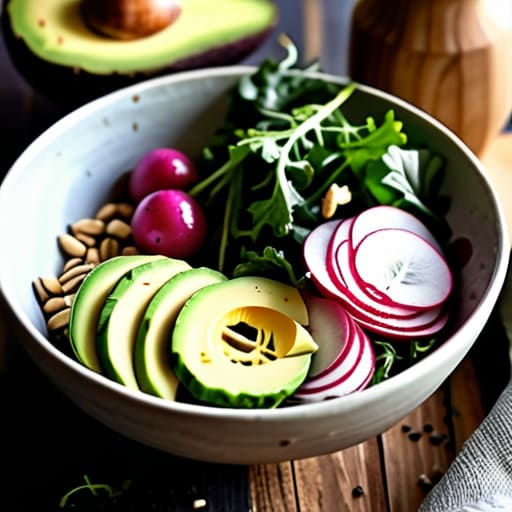
At the end of the day, making a salad actually enjoyable isn’t about following some complicated culinary blueprint or spending an hour in the kitchen. It’s about the basics: balancing your acid and fat, and making sure you have enough crunch to keep things from feeling like a soggy mess. Whether you’re tossing in some toasted sunflower seeds for texture or hitting that bowl with a sharp vinaigrette to wake up the greens, you’re moving away from “fuel” and toward something that actually tastes like a meal. Once you master these few simple levers, you won’t need a recipe book to tell you what to do; you’ll just know what works.
I know how it goes—when you’re juggling a million things, a salad is often just the easiest thing to grab, which usually means it’s the most boring. But I’ve learned that taking just sixty seconds to add a little intentionality can change your entire mood during a hectic lunch break. Don’t let your healthy habits feel like a chore. Treat your food with a little bit of respect, and it’ll reward you. Now, go grab a bowl, throw in something crunchy, and just get it done.
Frequently Asked Questions
I have kids who hate everything green—is there a way to sneak these textures in without a fight?
Look, I’ve been there. If it looks like a forest on a plate, my kids won’t touch it. The trick is to stop calling it a “salad” and start treating it like a deconstructed taco or a snack bowl. Use the “hidden crunch” method: finely chop those nuts or seeds, or even use croutons, and scatter them over things they actually like—like pasta or chicken. If they can’t see the green, they won’t fight the texture.
What's the best way to prep these toppings ahead of time so I'm not chopping everything right when I'm hungry?
Look, I’ve learned the hard way that if I have to chop a whole bell pepper while I’m already hungry, I’m just going to order takeout instead. Spend twenty minutes on Sunday prepping your “salad kit.” Chop your hardy veggies like carrots or cucumbers, toss them in airtight containers, and keep them dry with a paper towel. For nuts or seeds, keep them in small jars in the pantry. Prep the components, not the meal, and you’re golden.
How do I stop my salads from turning into a soggy mess by lunchtime if I'm packing one for work?
The “soggy salad” is a classic mistake, and quite frankly, it’s a waste of good ingredients. If you’re packing lunch, stop tossing the dressing in the morning. Use a small, leak-proof container for your dressing and keep it separate until you’re actually sitting down to eat. Also, layer your containers: heavy, hearty stuff like chickpeas or cucumbers on the bottom, and your delicate greens at the very top. It’s simple physics, really.