Easy Wood Pallet Projects for Every Skill Level
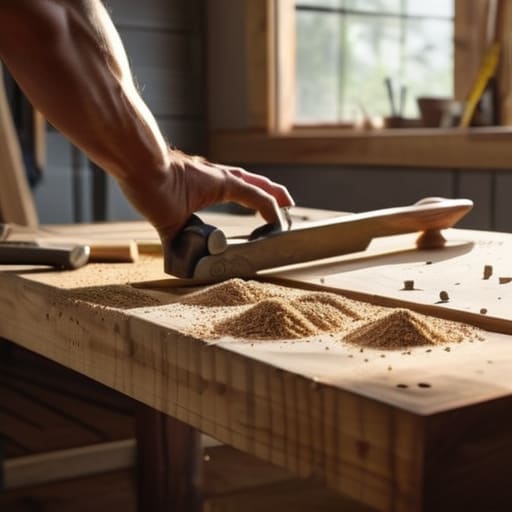
If you’re anything like me, you probably have a stack of those weathered wooden pallets leaning against your garage wall, gathering dust and looking like a total eyesore. I used to think they were just bulky pieces of trash waiting for a trip to the landfill, but after years of restoring mid-century furniture, I’ve learned that a little bit of grit and a sander can turn “junk” into something truly intentional. Instead of letting that scrap wood take up valuable real estate in your driveway, it’s time to start looking at them as raw material for some clever pallet project ideas that actually serve a purpose.
I’m not interested in wasting your weekend on complicated builds that leave your living room looking like a construction zone. In this guide, I’m breaking down five of my favorite, straightforward ways to repurpose those pallets into functional home solutions that cut through the clutter. We aren’t just making “crafts” here; we are building tools to help you reclaim your space and reduce that daily mental load. From garden organization to clever indoor storage, these five projects are designed to help you stop overcomplicating things and just get your home working for you.
Table of Contents
A Vertical Herb Garden for Small Kitchens
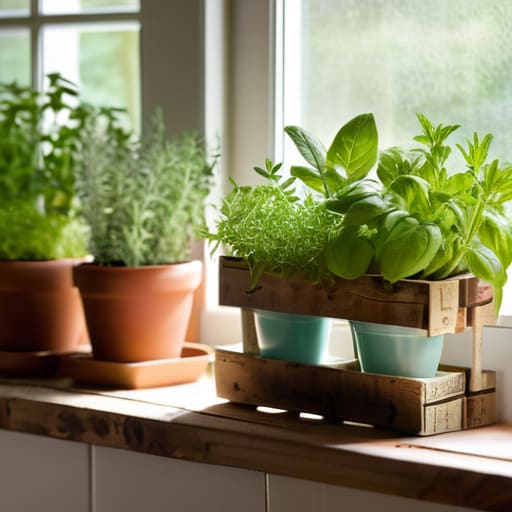
If you’re like me, your kitchen counters are constantly battling for space between the coffee maker and the mail pile. I realized a few years ago that I was spending way too much money on wilted supermarket basil, so I decided to reclaim some vertical space. By mounting a single pallet against a sunny wall or even a kitchen window, you can create a living herb station that actually makes sense for your workflow.
The Ultimate Mudroom Boot Organizer
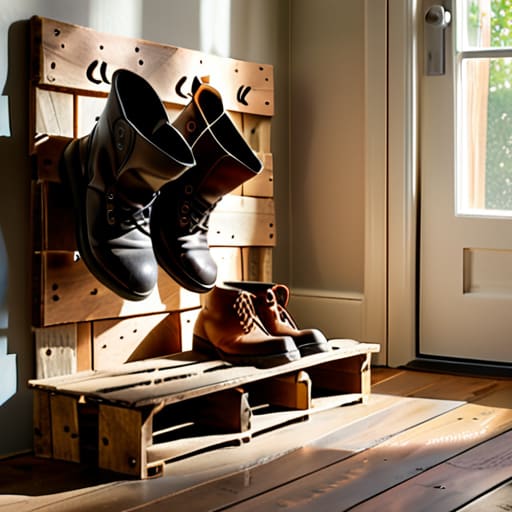
My teenagers have a way of turning the entryway into a literal obstacle course of discarded sneakers and heavy boots. I used to spend my mornings tripping over their gear, which is a terrible way to start a productive day. I finally tackled this by repurposing an old pallet into a sturdy, low-profile boot rack that sits right against the wall.
A Rustic Outdoor Coffee Station
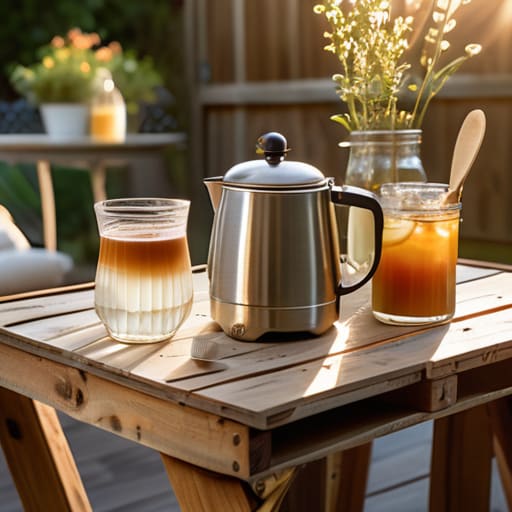
There is nothing quite like sitting on the patio with a hot cup of coffee before the rest of the house wakes up. However, I found that I was constantly running back and forth to the kitchen to grab cream, sugar, or spoons. To fix this, I built a simple, mobile beverage station using a reclaimed pallet as the base and a few sturdy wooden crates for shelving.
A Low-Maintenance Backyard Planter
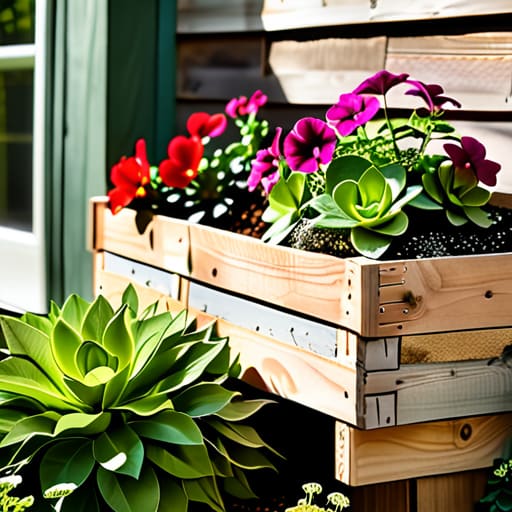
If you have a corner of the yard that looks a bit neglected, don’t go out and buy expensive, pre-made planters that will just crack in two years. Instead, grab a pallet and turn it into a tiered planter for your seasonal flowers or even some hardy succulents. It’s a great way to add texture to your garden without breaking the bank or overcomplicating your weekend projects.
A Minimalist Wall-Mounted Mail and Key Hub
I have a habit of carrying a pocket-sized notebook everywhere, but even I can’t keep track of every stray receipt or piece of junk mail that enters our house. To stop the “paper creep” from taking over the dining room table, I built a small, wall-mounted organizer from pallet scraps. It’s a simple frame with a few slots for mail and a couple of small pegs for keys.
Making the Most of Your Scrap Wood
Don’t overthink the aesthetics; focus on finding functional uses for your pallets that actually solve a clutter problem in your house.
Always prioritize safety and prep work—sanding down those rough edges and checking for loose nails is non-negotiable if you want the piece to last.
Start small with one simple project to build your confidence before you try to tackle something massive like a full outdoor lounge set.
Stop Overthinking and Start Building
At the end of the day, whether you’re building a vertical herb garden to clear the kitchen counters or crafting a rustic wine rack for your dining nook, the goal is the same: reclaiming your space. We’ve looked at how these simple pallet projects can tackle everything from patio clutter to entryway chaos without breaking the bank. You don’t need a professional workshop or a degree in carpentry to make this work; you just need a few basic tools, some sandpaper, and the willingness to get your hands a little dirty. These aren’t just crafts; they are practical solutions designed to make your home run a little smoother and look a lot more intentional.
If you’re feeling a bit intimidated by the idea of starting a DIY project, I want you to remember that perfection is the enemy of progress. I’ve spent plenty of afternoons staring at a half-finished mid-century sideboard, wondering if I should just call it quits, but the satisfaction of seeing a finished, functional piece is always worth the struggle. Don’t wait for the “perfect” time or the “perfect” set of tools to show up. Grab those scraps, clear a spot on your workbench, and just get it done. Your home—and your peace of mind—will thank you for it.
Frequently Asked Questions
How do I know if a pallet is safe to use for indoor projects versus just staying in the garden?
Before you bring a pallet inside, look for the stamp. You want “HT” (Heat Treated), which means it was heated to kill pests without nasty chemicals. Avoid anything marked “MB”—that’s Methyl Bromide, a toxic pesticide that stays in the wood, and I don’t want that breathing in my living room. If the wood looks oily, discolored, or smells strange, keep it in the garden. Better safe than sorry when it comes to your air quality.
What’s the easiest way to sand down those rough surfaces without spending an entire weekend on it?
Look, I’ve been there. You start a project thinking it’ll take an hour, and suddenly it’s Sunday night and you’re still covered in sawdust. If you want to save your weekend, skip the manual sanding and invest in a decent random orbital sander. It’s a game-changer. Start with a coarser grit to knock down the heavy stuff, then quickly switch to a fine grit for the finish. Don’t overthink it—just keep it moving.
Do I really need heavy-duty tools for these, or can I get most of this done with just a basic drill and a hammer?
Honestly? You don’t need a workshop full of professional-grade gear. If you’ve got a decent cordless drill and a hammer, you’re already halfway there. Most of these projects are about simple assembly, not precision engineering. Just grab a box of wood screws and maybe some sandpaper to smooth out any rough edges so you don’t get a splinter. Don’t let the lack of a fancy toolkit stop you—just get started.