Essential Pantry Items for Effortless Healthy Eating

If you think you need a $400 grocery haul of organic dragon fruit, artisanal sea salts, and enough superfood powders to coat a small planet just to figure out how to stock a healthy kitchen, please stop right there. Honestly, that kind of performative wellness is exactly what makes people give up by Tuesday. I spent years thinking “healthy” meant complicated and expensive, but between managing high-stakes projects and raising two teenagers in a house that never seems to stay clean, I simply don’t have the bandwidth for kitchen theater. Real health isn’t about the fancy labels; it’s about having the right basics on hand so you aren’t staring blankly into a fridge at 6:00 PM.
I’m not here to sell you a lifestyle overhaul or a subscription to a meal kit service you’ll never use. Instead, I’m going to show you my minimalist, functional approach to building a pantry that actually works for a busy life. We’re going to focus on versatile staples, smart shortcuts, and the kind of practical organization that actually reduces your mental load. Let’s cut through the noise and get your kitchen running like a well-oiled machine.
Table of Contents
Nutritious Grocery List Essentials Without the Stress
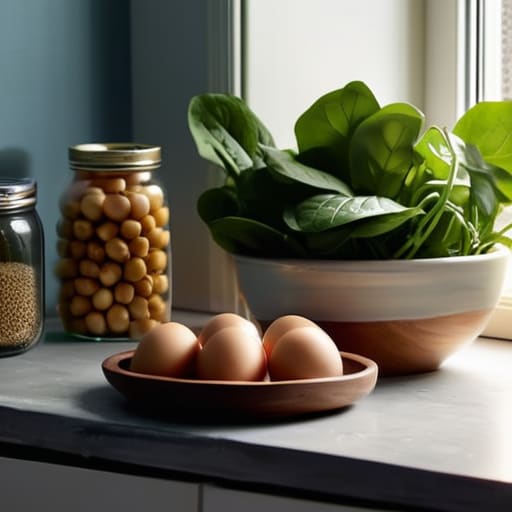
Look, I’ve spent enough years staring blankly at supermarket aisles to know that a massive, intimidating list is the fastest way to end up buying a frozen pizza instead of a salad. To keep things manageable, I focus on a few nutritious grocery list essentials that act as building blocks rather than complex recipes. I’m talking about the heavy lifters: bags of spinach, a carton of eggs, frozen berries, and a reliable protein like canned chickpeas or chicken. If you have these on hand, you aren’t just shopping; you’re building a toolkit for a quick, decent meal when the workday runs late.
The real secret to avoiding that mid-week grocery run panic is leaning into whole food pantry staples. I always make sure my cupboards are stocked with things like quinoa, oats, and olive oil. These aren’t just fillers; they are the foundation for meal prepping with healthy ingredients without having to spend your entire Sunday in the kitchen. If you keep the basics consistent, you stop treating grocery shopping like a high-stakes math problem and start treating it like what it should be: a simple, routine errand.
Whole Food Pantry Staples for Real Life
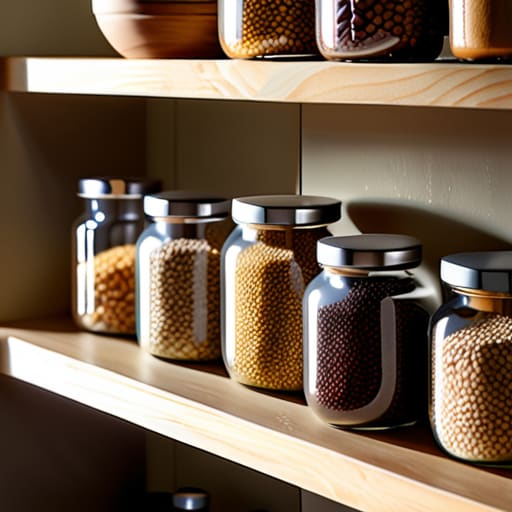
When I first started freelance consulting, my pantry was a graveyard of half-empty snack boxes and processed junk. It was a mess, and frankly, it made my workday feel heavier. Now, I focus on building a foundation of whole food pantry staples that actually work for me. I’m talking about the heavy hitters: quinoa, brown rice, lentils, and canned beans. These aren’t just “health foods”; they are lifesavers. They have a long shelf life, they’re inexpensive, and they provide the base for almost any meal when you’re too tired to cook something elaborate from scratch.
The real secret to staying on track is making smart, low sugar pantry swaps before the craving even hits. Instead of keeping a stash of sugary granola, I keep raw oats and chia seeds on hand. It takes a little more effort to prep, but it eliminates that mid-afternoon energy crash that used to derail my productivity. If you have these basics sitting in your cupboards, you aren’t just storing food—you’re prepping for success on those hectic Tuesday nights when the last thing you want to do is figure out what’s for dinner.
5 Low-Stress Ways to Keep Your Kitchen Running Smoothly
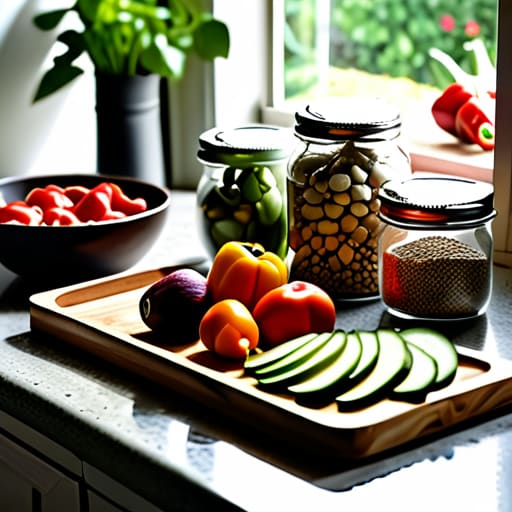
- Shop your own pantry before you hit the store. There’s nothing more frustrating than buying a third jar of cumin when you already have two hiding in the back. Check your inventory first to save money and reduce the clutter.
- Embrace the power of the freezer. Stock up on frozen vegetables and fruits; they don’t spoil, they’re just as nutritious as fresh, and they save you from that “nothing to eat” panic on a Tuesday night.
- Keep a “quick-fix” station ready. Always have a few reliable, healthy options that require zero prep—like canned chickpeas, tuna, or pre-washed greens—for those days when your schedule completely falls apart.
- Stop buying for the person you wish you were. If you don’t actually eat kale every morning, stop buying it just because it’s “healthy.” Buy what you’ll actually use, otherwise, it’s just expensive compost.
- Use clear containers for your most-used staples. If you can see that you’re running low on oats or lentils, you’ll know exactly what needs to go on the list before you’re staring at an empty cupboard.
The Bottom Line for a Stress-Free Kitchen
Focus on versatile staples—think grains, frozen veggies, and proteins—that can be thrown together in twenty minutes when the day goes sideways.
Don’t aim for a gourmet pantry; aim for a functional one that reduces your decision fatigue during the weeknight rush.
Keep your list simple and stick to the basics so you spend less time wandering grocery aisles and more time actually enjoying your home.
Getting It Done
At the end of the day, stocking a healthy kitchen isn’t about achieving some Pinterest-perfect, color-coded pantry that looks like a museum exhibit. It’s about having the right tools—the staples, the frozen backups, and the versatile grains—to ensure that when Tuesday night rolls around and you’re exhausted, you aren’t reaching for the takeout menu. By focusing on versatile whole foods and keeping your grocery list simple, you’re essentially removing the decision fatigue that leads to chaos. You’ve laid the groundwork; now you just need to maintain the system so it works for you, rather than you working for it.
I know that starting this process can feel like just another massive project on an already overflowing to-do list, but I promise you, the payoff is worth the initial effort. When your kitchen is set up for success, you reclaim more than just nutrition; you reclaim your time and your peace of mind. Don’t aim for perfection on your first trip through the aisles—just aim for progress over perfection. Grab your notebook, head to the store, and start building a kitchen that actually supports the life you want to live. You’ve got this.
Frequently Asked Questions
How do I keep all these fresh staples from going bad and wasting money?
Look, the biggest mistake I see is buying for the “ideal version” of yourself instead of the real one. To stop the rot, use the “first in, first out” rule—it’s basic project management applied to your fridge. Move older produce to the front and keep your greens in airtight containers with a paper towel to soak up moisture. If something is starting to wilt, don’t toss it; freeze it for smoothies or throw it in a soup.
Is it actually possible to stock a healthy kitchen on a tight budget without buying everything organic?
Look, I get it. The “organic or bust” mindset is a fast track to a drained bank account and a lot of unnecessary guilt. Is it possible? Absolutely. I’ve lived on a budget while raising teenagers, and I can tell you: focus on the basics. Prioritize washing your produce well and buy frozen veggies—they’re just as nutritious and way cheaper. Don’t sweat the labels; just aim for real, whole foods that fill your plate.
What are the absolute bare-minimum items I should have if I only have twenty minutes to shop?
If you’ve only got twenty minutes, stop wandering the aisles. Head straight for the perimeter. Grab a bag of frozen mixed veggies, a carton of eggs, a rotisserie chicken, and a bag of pre-washed spinach. Throw in some oats or whole-grain bread if you have time. These are your heavy lifters. They require almost zero prep and can be thrown together into a decent meal before you even get home. Just get the basics and go.