The Complete Guide to Weekly Meal Prepping
If you’ve ever spent your entire Sunday afternoon meticulously portioning out tiny Tupperware containers of steamed broccoli and plain chicken breasts just to feel “organized,” let me save you the trouble: you’re doing it wrong. I used to think that’s what how to meal prep actually looked like, but after fifteen years of managing corporate projects and two teenagers, I realized that kind of rigid planning is just a recipe for burnout. We don’t need more complicated recipes or expensive aesthetic containers; we need a system that actually works when life gets messy.
I’m not here to sell you on a lifestyle overhaul or a diet that requires a PhD to follow. Instead, I’m going to show you my realistic, low-maintenance approach to getting your food sorted so you can actually enjoy your evenings. We’re going to focus on small, actionable wins—like prepping versatile components rather than full meals—so you can stop the kitchen chaos without losing your entire weekend. Let’s stop overcomplicating things and just get it done.
Table of Contents
Weekly Meal Planning Tips That Actually Save Your Sanity
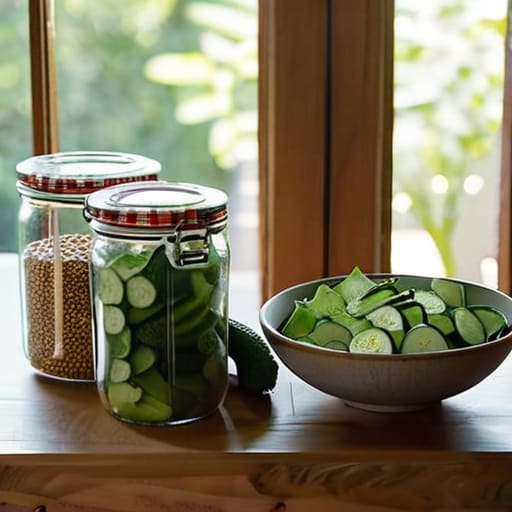
First, let’s get one thing straight: meal planning isn’t about following a rigid, Pinterest-perfect recipe every single night. If I tried that, I’d be out of business within a week. Instead, think of it as a blueprint. I start by looking at what’s already in my pantry before I even touch a grocery list. This is where budget friendly meal prepping actually happens—you’re working with what you have rather than buying a whole new ecosystem of ingredients. Pick two proteins and three versatile vegetables, and you’re halfway there.
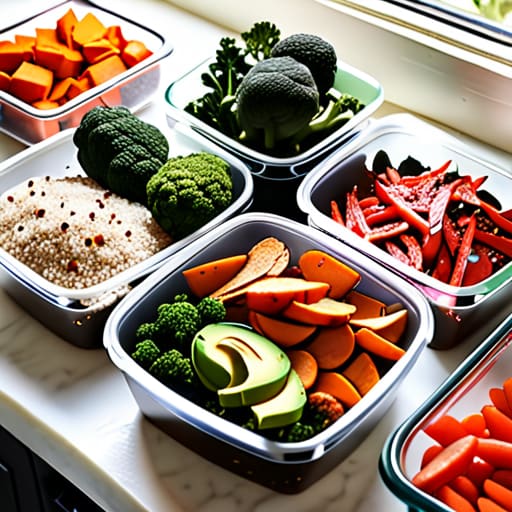
Once you have the plan, don’t fall into the trap of trying to cook five complex dishes at once. That’s how you end up exhausted and ordering takeout by Wednesday. I swear by simple batch cooking techniques, like roasting two trays of seasonal veggies or simmering a massive pot of grains all at once. It’s much easier to assemble different bowls throughout the week than it is to start from scratch every evening. Just make sure you’re using decent meal prep containers for storage so your food stays fresh and doesn’t turn into a science project by Friday.
Batch Cooking Techniques to Get It Done Fast
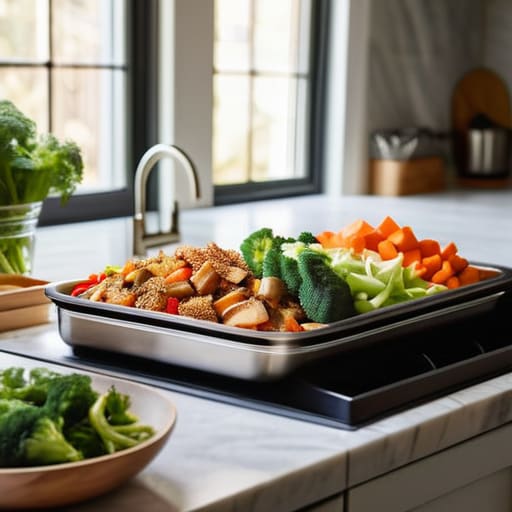
Once you’ve got your plan on paper, it’s time to stop talking and start cooking. The secret to efficient batch cooking techniques isn’t about standing over a stove for six hours; it’s about working smarter, not harder. I always start by utilizing my oven to its full potential. Instead of cooking one tray of chicken, I’ll crowd three different sheet pans with various vegetables and proteins. While the oven does the heavy lifting, I’m at the counter chopping or prepping a massive pot of grains. This “parallel processing” approach is how I manage to knock out a week’s worth of food in a fraction of the time.
Don’t forget that your gear matters just as much as your recipe. I swear by investing in high-quality meal prep containers for storage—get ones that actually seal tight and stack neatly in the fridge. There is nothing more frustrating than digging through a cluttered crisper drawer only to find a leaky lid. Also, keep a close eye on food safety for prepped meals by letting everything cool down slightly before sealing the lids; you don’t want to trap steam and turn your crisp veggies into mush.
Five Small Wins to Keep Your Kitchen From Becoming a Second Job
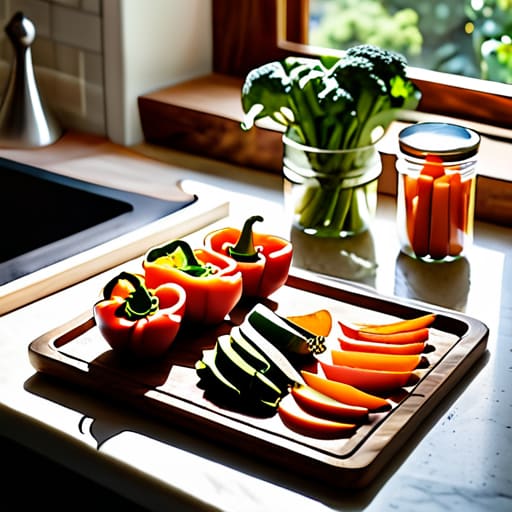
- Stop trying to cook five different recipes; just pick two proteins and three versatile veggies to rotate throughout the week.
- Use your freezer as your best friend by portioning out extra servings immediately so you always have a “emergency” meal for those nights when the teenagers decide they’re suddenly starving.
- Clean as you go, or don’t bother starting—I’ve learned the hard way that a mountain of dishes at the end of a prep session kills any motivation to stay organized.
- Invest in a decent set of uniform glass containers because seeing exactly what you have in the fridge prevents that “what’s for dinner?” panic.
- Don’t aim for perfection; if you only have twenty minutes to chop some onions and boil some eggs, call that a win and move on.
The Bottom Line: Three Ways to Make This Stick
Don’t aim for gourmet; aim for consistency. It’s better to have three reliable, easy meals you can make in your sleep than a complex menu that leaves you exhausted and ordering takeout by Wednesday.
Use your “mental load” to your advantage by prepping components, not just full meals. Roasting a big tray of veggies and a batch of grains means you can pivot from a grain bowl to a quick stir-fry without starting from scratch.
Keep your systems simple so they don’t become another chore. If your meal prep takes five hours and requires a mountain of dishes, you won’t do it next week—and that’s okay. Scale back until it actually feels manageable.
Getting It Done
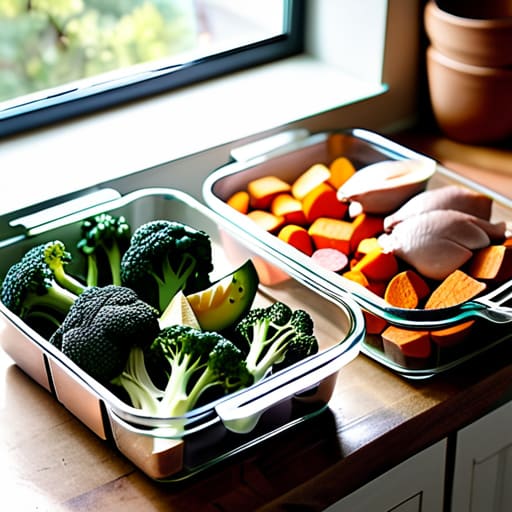
Look, I know it feels like a lot when you first stare at a pile of raw chicken and a stack of Tupperware, but remember that the goal isn’t perfection—it’s progress. We’ve talked about mapping out your week so you aren’t staring blankly at the fridge at 6:00 PM, and we’ve looked at how batch cooking can turn a grueling Sunday afternoon into a strategic win for your future self. If you can master a simple grocery list and learn to cook in bulk, you’ve already won half the battle. It’s about reducing the mental load so that when life inevitably throws a curveball, you aren’t scrambling for a takeout menu.
At the end of the day, meal prepping isn’t some trendy lifestyle hack you see on social media; it’s a practical tool to help you reclaim your time and your sanity. I’ve spent enough years managing chaotic projects to know that the best systems are the ones that actually work when things get messy. Don’t feel like you have to prep every single calorie for the next seven days right out of the gate. Just pick one thing, start small, and build from there. You’ve got this, and I promise that once you feel that reclaimed sense of control, you’ll wonder why you didn’t start sooner.
Frequently Asked Questions
How do I keep my prepped meals from tasting like mushy leftovers by Thursday?
The secret is simple: stop treating every ingredient like it belongs in the same Tupperware. If you toss cooked pasta or steamed veggies into a container on Sunday, they’ll be mush by Wednesday. Keep your components separate. Prep your proteins, grains, and veggies individually, then assemble them right before you eat. Also, wait for things to cool completely before sealing the lid; trapped steam is the fastest way to turn a good meal into a soggy mess.
Do I really need to spend my entire Sunday in the kitchen, or is there a faster way?
Absolutely not. If you’re spending your entire Sunday hovering over a stove, you’re doing it wrong. That’s not meal prepping; that’s a second job. I prefer the “component method.” Instead of cooking full recipes, just roast two trays of veggies, boil a big pot of grains, and prep one protein. You can mix and match those throughout the week in five minutes. It’s about building blocks, not marathon cooking sessions. Keep it simple.
What’s the best way to prep for a busy week without ending up with five identical containers of chicken and broccoli?
The secret is to prep components, not full meals. Instead of cooking five identical chicken-and-broccoli bowls, roast two trays of different veggies, grill a big batch of protein, and boil some grains. Keep your sauces on the side. That way, Monday can be a chicken grain bowl with tahini, and Tuesday can be a quick stir-fry with soy ginger. It’s much easier to assemble something fresh when you aren’t staring at the same sad leftovers.