The Surprising Health Benefits of a Daily Walk

I am so tired of seeing fitness influencers peddle $200 smartwatches and complex, high-intensity interval training schedules just to get people moving. Honestly, it’s exhausting. We’ve turned basic human movement into this expensive, high-stress chore that requires a subscription and a designer outfit. If you ask me, most of that hype is just noise designed to clutter your brain. The real benefits of walking aren’t found in a data-driven app or a grueling CrossFit class; they are found in the simple, quiet act of putting one foot in front of the other. It’s the most underrated tool we have for reclaiming our sanity.
I’m not here to give you a scientific lecture or a complicated workout plan that you’ll abandon by Tuesday. Instead, I want to share what actually works when you’re juggling a career, a household, and a never-ending to-do list. I’m going to walk you through the practical, real-world wins I’ve experienced—from clearing mental fog during a project slump to actually sleeping through the night. Let’s cut through the nonsense and get back to the basics.
Table of Contents
Simple Wins for Cardiovascular Health Improvements

Look, I’m not here to tell you to sign up for a marathon or join a high-intensity bootcamp that leaves you feeling depleted. If we’re talking about real, sustainable cardiovascular health improvements, we need to look at what actually sticks. For me, that means treating a brisk walk like a non-negotiable appointment in my planner. It’s a low impact aerobic exercise that doesn’t require a wardrobe change or a specialized gym membership, which is exactly why it works when life gets messy.
You don’t need to track every single movement to see a difference, but I do find that setting modest daily step count goals helps keep me accountable without the overwhelm. Whether it’s a ten-minute loop around the block after lunch or a longer stroll once the kids are settled, those small increments add up. It’s about consistency over intensity. We aren’t trying to reinvent the wheel here; we’re just trying to keep the engine running smoothly so we can handle whatever the day throws at us.
No Nonsense Walking for Weight Management
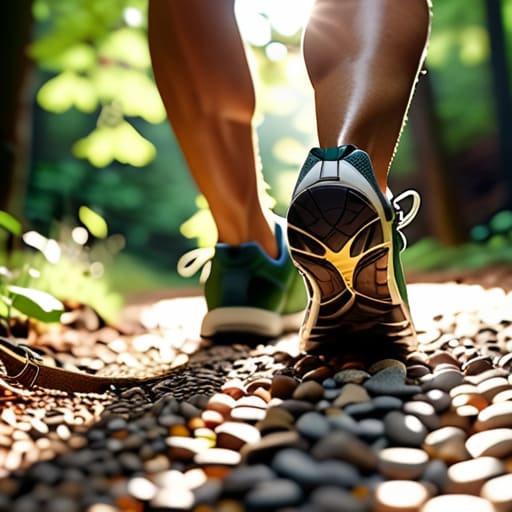
Look, we’ve all been there—staring at a complicated meal plan or a grueling HIIT workout schedule that feels more like a chore than a lifestyle. If you’re trying to shed a few pounds, stop looking for the magic pill and start looking at your feet. Walking for weight management isn’t about punishing yourself; it’s about consistent, sustainable movement that actually fits into a busy calendar. I’ve found that when I stop treating exercise like a massive mountain to climb and start treating it like a non-negotiable part of my daily routine, the scale finally starts to cooperate.
The beauty of this is that it’s a low impact aerobic exercise, meaning you aren’t going to wreck your knees or leave you too exhausted to manage the rest of your household. You don’t need fancy gear or a gym membership—just a decent pair of sneakers and a commitment to hitting your daily step count goals. Whether it’s a brisk loop around the block after dinner or a quick stroll during a conference call, these small, intentional movements add up. It’s about making progress, not perfection.
5 Ways to Make Walking Actually Work for Your Schedule

- Stop waiting for the “perfect” window of time. If you have fifteen minutes between meetings or while the coffee is brewing, take it. Movement doesn’t require a gym membership or a change of clothes; it just requires you to step out the door.
- Ditch the complicated fitness trackers if they’re just causing you stress. Focus on how your legs feel and how your head clears. If you feel more capable at the end of the stroll, you’ve done the job right.
- Use your walk as a mental reset, not another chore. I keep a small notebook in my pocket for ideas that hit me mid-stride, but if you just want to walk in silence and clear the mental clutter, do that too.
- Pair your movement with something you actually enjoy. Whether it’s a specific podcast or just the quiet of the neighborhood, give yourself a reason to look forward to the walk rather than seeing it as another item on the to-do list.
- Consistency beats intensity every single time. I’d much rather see you take a ten-minute walk every day than spend two hours at the gym once a week and feel too burnt out to move again. Just show up.
The Bottom Line: Just Get Moving
Forget the fancy gym memberships or high-tech gear; the best way to see results is to simply lace up your shoes and get outside.
Don’t let “perfect” be the enemy of “good”—even a ten-minute stroll around the block counts as a win for your heart and your head.
Consistency beats intensity every single time, so pick a time that actually fits your real life and stick to it.
The Bottom Line

Look, we’ve covered a lot of ground here, from the way a simple stroll keeps your heart in fighting shape to how it helps manage your weight without needing a complicated, high-stress gym routine. Walking isn’t some magic pill, but it is one of the most effective, low-barrier tools we have to keep our bodies functioning properly. You don’t need fancy gear or a membership; you just need to lace up your shoes and move. Whether it’s for your cardiovascular health or just to keep your metabolism steady, the point is to stop searching for the perfect workout and start utilizing the one that actually fits into your real, messy life.
At the end of the day, my philosophy is always about reducing the mental load, not adding to it. Don’t let the idea of “exercise” become another overwhelming task on your to-do list that sits there gathering dust. Treat a walk like any other essential household maintenance—it’s just something you do to keep the system running smoothly. If you can find fifteen minutes between school pickups or after a long workday, take them. It’s about those small, consistent wins that eventually build a lifestyle you don’t have to fight against. Now, quit reading about it and just go get outside.
Frequently Asked Questions
Do I really need to buy expensive walking shoes, or can I just use what I have in the closet?
Look, I’m all for not wasting money, but don’t let a bad pair of sneakers derail your progress. If your current shoes are worn-out gym sneakers from three years ago or, heaven forbid, flat-soled fashion trainers, your joints are going to pay the price. You don’t need a $200 designer model, but you do need actual support. If they feel clunky or unstable, go to a local shop and find something functional. Your knees will thank you.
How much time do I actually need to set aside each day to see a real difference in my energy levels?
Look, I don’t have time for hour-long marathons, and neither do you. If you’re chasing an energy boost, aim for twenty minutes of brisk walking. That’s it. Don’t wait for a perfect window or a fancy gym session. Just grab your keys, head out the door, and move. It’s about consistency over intensity. If you can find twenty minutes between meetings or after dinner, you’ll start feeling that mental fog lift.
Is it worth tracking my steps on an app, or is that just adding more mental clutter to my day?
Look, I get it. My goal is to reduce mental load, not add another digital chore to your list. If checking an app feels like another item on your to-do list, ditch it. But if seeing that number gives you a quick hit of “I actually did something today,” then use it. Use a tracker as a tool for awareness, not a metric for guilt. If it feels like clutter, stop. Just move.