Stress-free Meal Prep Strategies for the Week Ahead
I used to think that “meal prepping” meant spending my entire Sunday afternoon in a flour-dusted kitchen, staring at twenty identical plastic containers of steamed broccoli. Honestly? That sounds like a recipe for burnout, not a functional life. Between managing freelance clients and keeping a suburban household from descending into total chaos, I simply don’t have the bandwidth for culinary theater. I realized early on that if I wanted to reclaim my evenings, I needed easy meal prep ideas that actually fit into a busy schedule, rather than creating a whole new chore to manage. It’s not about being a gourmet chef; it’s about reducing the mental load so you aren’t staring blankly into a fridge at 6:00 PM.
In this post, I’m stripping away the fluff and sharing my five go-to strategies for getting ahead without the stress. I’ll show you how to prep smart, not hard, using simple components that work for everything from quick lunches to family dinners. By the end of this, you’ll have a toolkit of actionable wins to help you stop overthinking dinner and start actually enjoying your time. Let’s get to it.
Table of Contents
Master the Roasted Veggie Base
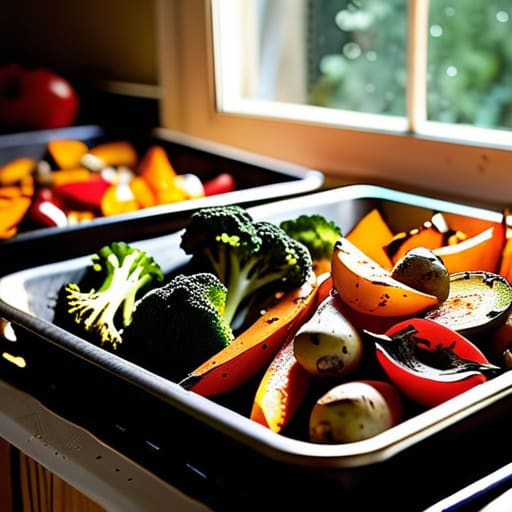
I used to think meal prepping meant spending five hours making specific recipes, but that’s a recipe for burnout. Now, I just roast two or three big sheet pans of seasonal vegetables on a Sunday evening. Whether it’s sweet potatoes, broccoli, or bell peppers, having a container of perfectly tender roasted veggies in the fridge is a total game-changer.
The Power of a Protein Batch
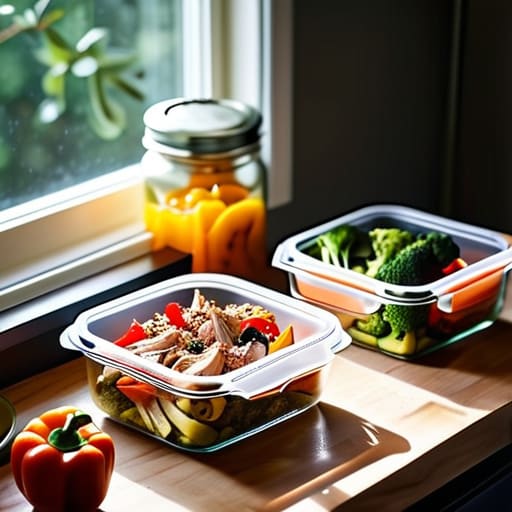
There is nothing more frustrating than staring into a fridge full of ingredients but having nothing “substantial” to eat. I’ve learned that my week runs significantly smoother when I prep one versatile protein in bulk. I usually opt for shredded chicken or seasoned ground turkey because they are incredibly forgiving and fit into almost any cuisine.
Don't Forget the Grain Strategy
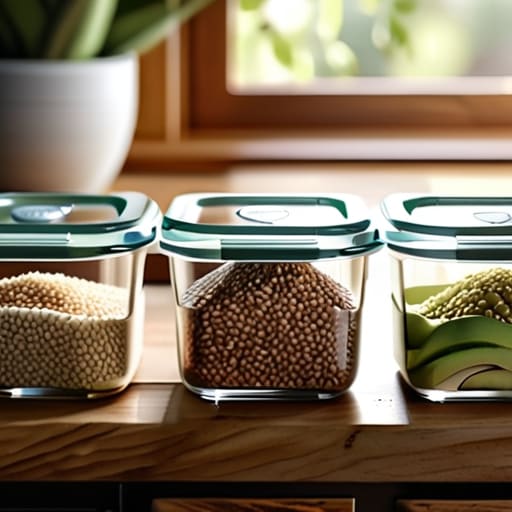
If you want to feel full and avoid that mid-afternoon energy crash, you need a solid grain component. I keep a large container of quinoa or brown rice ready to go at all times. I don’t bother with fancy seasonings during the prep phase; I keep them relatively neutral so they can adapt to whatever sauce or protein I pair them with later.
Pre-Wash and Chop Your Greens
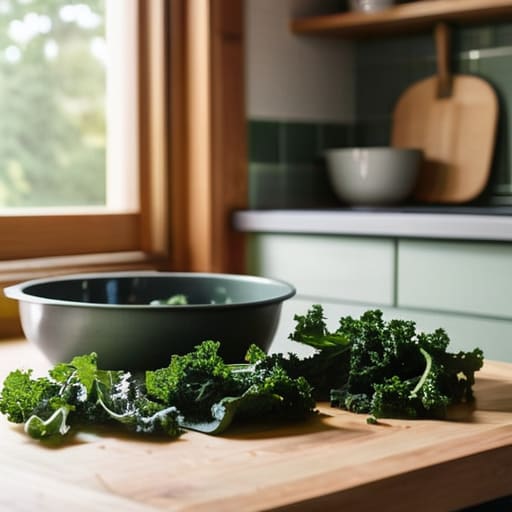
We’ve all been there: you buy a beautiful head of kale or a bag of salad mix, only to let it wilt in the crisper drawer because you just didn’t feel like washing and drying it. I’ve started making it a habit to wash, dry, and portion my greens the moment I get home from the grocery store. It takes an extra ten minutes, but it’s an essential habit for reducing waste.
Sauce is Your Secret Weapon
This is my favorite way to keep things from getting boring. If you prep a bunch of the same basic ingredients, you might worry that you’ll be eating the same thing every single night. The fix is simple: keep three or four different dressings or sauces on hand. A good tahini dressing, a spicy salsa, or even just a high-quality balsamic can completely transform the flavor profile of your base ingredients.
The Bottom Line
Don’t aim for gourmet; aim for progress. The goal of meal prep isn’t to become a Michelin-star chef on a Sunday, it’s to make sure you aren’t staring blankly at the fridge at 6:00 PM on a Tuesday.
Start small to avoid burnout. If you try to prep twenty different meals at once, you’ll hate it by next week. Pick two or three versatile basics and build from there.
Systems beat willpower every single time. When you have the components ready to go, you don’t have to “decide” to eat well—you just do it.
Small Wins, Big Relief
Look, I know the idea of spending your entire Sunday hovering over a hot stove feels more like a chore than a solution. But if you take even just two of these ideas—maybe it’s just roasting a big tray of veggies or prepping a batch of grains—you’ll notice the difference immediately. The goal isn’t to become a gourmet chef or a meal-prep fanatic; it’s about reducing the friction of your daily routine. When you have those basic building blocks ready in the fridge, you stop making those frantic, expensive last-minute decisions that leave you feeling drained by 6:00 PM.
At the end of the day, meal prep isn’t about perfection or having a Pinterest-worthy fridge full of identical glass containers. It’s about reclaiming your mental bandwidth. I’ve learned through years of juggling projects and a busy household that the best way to handle chaos is to prepare for it in small, manageable ways. Don’t try to overhaul your entire kitchen overnight. Just pick one thing this week, get it done, and enjoy the quiet satisfaction of a smoother evening. You’ve got this, and honestly, your future, less-stressed self will thank you.
Frequently Asked Questions
How do I keep my prepped food from getting soggy or tasting stale by Thursday?
The secret is keeping your components separate until the very last second. Never dress a salad or toss sauce with grains in the same container; moisture is the enemy of freshness. I swear by glass containers with airtight seals—they keep things crisp much longer than plastic. Also, if you’re prepping roasted veggies, let them cool completely on a wire rack before sealing them up. If you trap steam in that container, you’re basically inviting sogginess.
Do I really need to spend my entire Sunday in the kitchen, or is there a way to do this in under an hour?
Absolutely not. If you’re spending your entire Sunday hovering over a stove, you’re doing it wrong. That’s not meal prepping; that’s a second job. I aim for “component prepping” instead. Spend forty-five minutes roasting a big tray of veggies, boiling some eggs, and cooking a batch of grains. That’s it. You aren’t making full meals; you’re just prepping the building blocks so Monday night feels like a breeze.
What are some ways to prep meals that actually work for picky teenagers who won't eat the same thing two nights in a row?
The trick isn’t prepping full meals; it’s prepping components. I call it “modular prep.” Instead of making a big batch of chili, roast two trays of chicken, boil some eggs, and chop a mountain of veggies. If they want tacos Tuesday, they grab the chicken. If they want a salad Wednesday, they use the same chicken. You’re doing the heavy lifting of the chopping and cooking, but they get the illusion of choice.