Simple Recipes Even Absolute Beginners Can Master

I used to think that being a “good cook” meant spending three hours hovering over a stove and ending the night with a mountain of dishes that felt impossible to tackle. Between managing freelance clients and keeping a household running, I simply didn’t have the bandwidth for culinary drama. Most people get overwhelmed because they think they need a gourmet pantry and a culinary degree just to get through a Tuesday. But here’s the truth: you don’t need complexity to eat well; you just need a system. I’ve spent years refining my approach to find the most effective easy meals for beginners that actually work when your schedule is falling apart.
In this guide, I’m stripping away the fluff and giving you five straightforward, reliable options that prioritize efficiency without sacrificing flavor. We aren’t chasing Michelin stars here; we are chasing sanity and nutrition. I’m going to show you exactly how to build a repeatable rotation of meals that reduce your mental load and get you out of the kitchen faster. By the time you finish reading these five points, you’ll have the confidence to stop overthinking dinner and start reclaiming your evenings.
Table of Contents
The Sheet Pan Savior
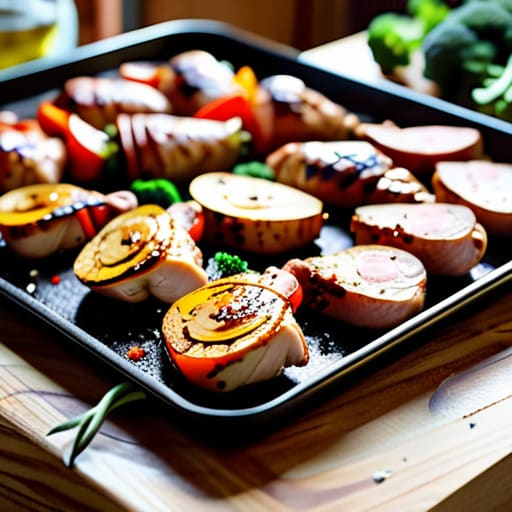
If you’re staring at a pile of groceries and feeling completely overwhelmed, the sheet pan method is going to be your new best friend. I love this approach because it minimizes the mental load of tracking multiple pots and pans on the stove. You just toss your protein—think chicken thighs or sausages—and some chopped veggies like bell peppers and broccoli onto a single tray, drizzle with olive oil and salt, and let the oven do the heavy lifting.
One-Pot Pasta Perfection
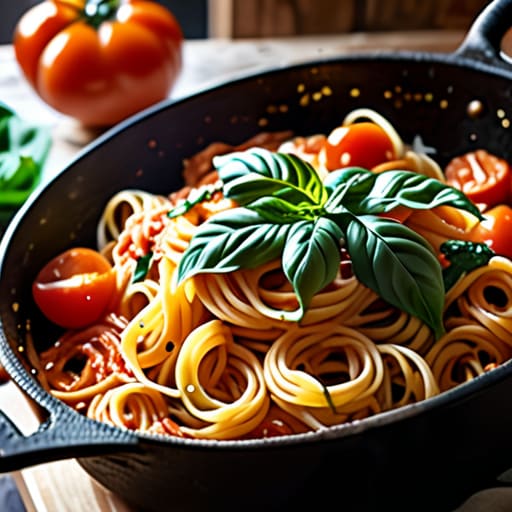
There is a common misconception that good pasta requires a dozen different components and a long list of specialized tools. Honestly, that’s just unnecessary complication. I always tell my clients that you can make a decent, nourishing meal using just one single pot. By cooking your pasta directly in a mixture of broth, crushed tomatoes, and aromatics, the starch from the noodles creates a natural sauce that clings to every bite.
The Elevated Quesadilla
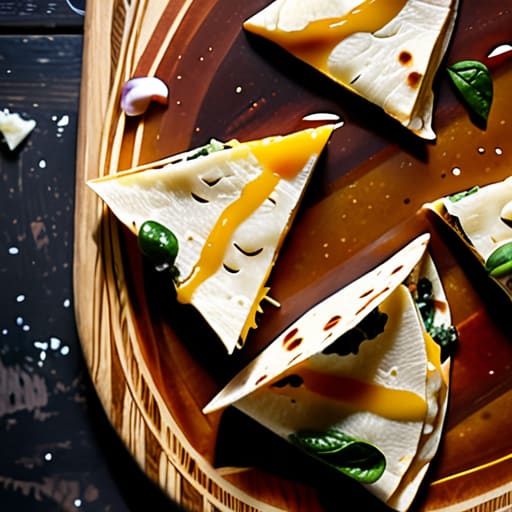
Let’s be real: some nights, we just need something that works without any fuss. A quesadilla is the ultimate “emergency meal” for when your brain is too tired to think about meal prep. But instead of just making a sad, plain cheese sandwich, I like to treat it as a modular base. Throw in some canned black beans, leftover shredded chicken, or even some sautéed spinach to turn it from a snack into a legitimate, protein-packed dinner.
Hearty Grain Bowls
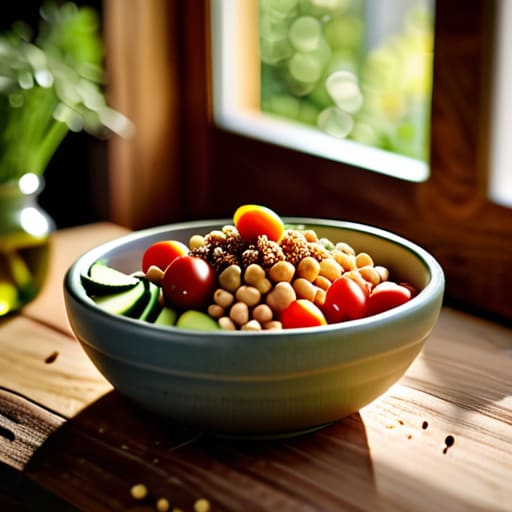
I am a huge proponent of the “assembly” method of cooking, which is essentially building a grain bowl. Instead of following a rigid recipe that dictates exactly how much of everything you need, you simply gather a few functional components. Start with a base of quick-cooking quinoa or brown rice, add a canned protein like chickpeas or tuna, and top it off with whatever fresh or frozen vegetables you have on hand.
The Slow Cooker Stew
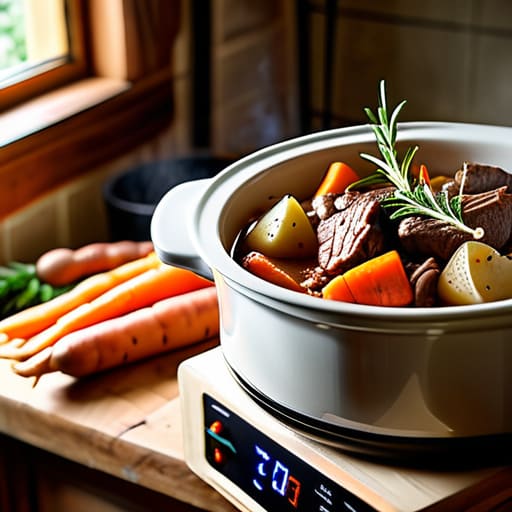
There is something incredibly grounding about walking into a house that smells like a slow-simmered stew. For beginners, the slow cooker is a total game-changer because it removes the need for constant supervision. You can prep your beef, potatoes, carrots, and broth in the morning—or even the night before—and let the machine manage the temperature while you tackle your workday or your home projects.
The Bottom Line
Don’t aim for perfection; aim for a meal that’s on the table and keeps everyone fed without a meltdown.
Build a small rotation of these “go-to” recipes so you aren’t reinventing the wheel every single Tuesday night.
Keep your pantry stocked with the basics so that when the mental load gets heavy, the ingredients are already there waiting for you.
Making It Stick
At the end of the day, getting comfortable in the kitchen isn’t about mastering a dozen French sauces or owning every gadget in the catalog. It’s about these five foundational meals—the sheet pan roasted veggies, the simple pasta, the hearty grain bowls, the one-pot soups, and the basic protein stir-fry—that serve as your reliable safety net. These recipes work because they minimize the mess and maximize the reward. Once you have these basics down, you’ll realize that cooking isn’t an extra chore on your to-do list; it’s actually one of the most effective ways to reduce your mental load and reclaim your evening.
My advice? Don’t wait for a perfectly organized pantry or a slow Tuesday to start. Just pick one of these meals, grab your notebook, and get moving. You’re going to burn something, or you’ll realize you forgot the garlic, and honestly, that’s perfectly fine. The goal isn’t perfection; it’s about building a sustainable rhythm that works for your actual, busy life. Stop worrying about the “right” way to do it and just start cooking. You’ve got this, and I promise, the feeling of a successful, low-stress dinner is well worth the initial effort.
Frequently Asked Questions
I don't have much time after work; how can I keep these meals simple without spending my whole evening in the kitchen?
Look, I get it. After a long day, the last thing you want to do is play chef for two hours. The trick is to stop treating every meal like a culinary project. I swear by “component prepping”—not full meals, just washing your greens or pre-chopping an onion on Sunday. If you have the base ready, assembly takes ten minutes. If it’s not fast, it’s not working for your life. Keep it simple.
What are the absolute kitchen essentials I should have on hand so I'm not running to the store for every single recipe?
Look, I’ve learned the hard way that a half-empty pantry is the fastest route to takeout fatigue. You don’t need a gourmet pantry; you just need the basics that act as building blocks. Keep olive oil, kosher salt, black pepper, and a few versatile aromatics like garlic and onions on hand. Toss some dried pasta, canned beans, and a jar of marinara in the cupboard. If you have those, you can always make a meal.
How do I make sure I'm actually eating something nutritious and not just relying on easy, processed shortcuts?
Look, I get it. When the workday is dragging and the house is a mess, a box of mac and cheese feels like a lifesaver. But if you want to avoid that processed slump, follow one rule: aim for the “add, don’t subtract” method. Instead of worrying about what to cut out, just ask, “Where is my protein and my green thing?” Throw a handful of spinach into that pasta or add a hard-boiled egg to your toast. It’s about small, intentional wins.