How to Truly Unwind After a Stressful Day

I used to think that “relaxing” meant booking a weekend at a high-end spa or spending two hours meticulously prepping a gourmet, organic meal that left me more exhausted than when I started. Honestly? That’s just more work disguised as self-care. If you’re sitting on your sofa at 6:30 PM, staring at a pile of laundry while your brain is still running through spreadsheets and unread emails, you don’t need a luxury retreat; you need to figure out how to relax after work without adding another project to your plate. We’ve been sold this idea that relaxation has to be an event, but for those of us managing real lives, it’s actually about the transition.
I’m not here to give you a list of expensive hobbies or complicated mindfulness rituals that require a yoga mat and a quiet mind. Instead, I’m going to share the small, actionable wins I’ve learned from years of juggling corporate deadlines and a chaotic household. We’re going to talk about practical, low-effort ways to actually shut your brain off so you can reclaim your evening and stop feeling like you’re just running on autopilot until bedtime.
Table of Contents
Simple Evening Mindfulness Routine to Quiet the Chaos
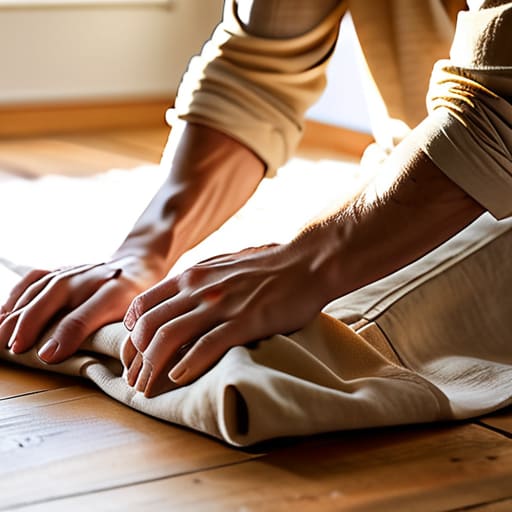
I’ve learned the hard way that you can’t just flip a switch and suddenly be “off the clock.” If I don’t intentionally create a mental transition from work to home, I find myself staring at the kitchen backsplash while my brain is still stuck in a spreadsheet. To combat this, I’ve developed a stripped-back evening mindfulness routine that doesn’t require a yoga mat or an hour of silence. It starts with a physical reset: I change my clothes the second I walk through the door. Swapping my “professional” trousers for something soft isn’t just about comfort; it’s a signal to my nervous system that the workday is officially over.
Once the clothes are changed, I spend five minutes doing something tactile. For me, it’s often sanding down a small piece of wood or even just watering my plants. These small, grounding actions serve as excellent stress relief activities for adults because they force you to be present in your hands rather than lost in your head. It’s about reducing cortisol after a long day by focusing on one simple, rhythmic task. Don’t aim for perfection; just aim to arrive home.
Practical Work Life Balance Tips for Real People

Look, I’m not going to tell you to go sit on a mountain for three hours; most of us have laundry to fold and a kitchen to clear. Real work-life balance tips aren’t about grand gestures; they are about the small, intentional boundaries we set. One thing that saved my sanity when I moved into consulting was creating a “commute ritual,” even if my commute is just walking from the home office to the kitchen. Whether it’s changing out of my work clothes immediately or putting my phone in a drawer for thirty minutes, I need a physical signal that the workday is officially over.
If you’re feeling that familiar tightness in your shoulders, don’t ignore it. Incorporating simple physical relaxation techniques, like a five-minute stretch or even just a hot shower without the distraction of a podcast, is essential for reducing cortisol after a long day. We spend so much time in our heads that we forget our bodies are carrying the weight of every unread email. Stop trying to “power through” your evening. Just pick one small way to signal to your brain that it’s time to downshift.
Five Small Wins to Reclaim Your Sanity

- Create a “transition ritual” that actually works. It doesn’t have to be a meditation retreat; it can be as simple as changing out of your work clothes the second you walk in the door or putting your phone in a kitchen drawer for thirty minutes. You need a physical signal to your brain that the shift from “Project Manager” to “Human Being” has officially begun.
- Stop the “doomscrolling” cycle. I know, it’s easy to collapse on the sofa and scroll through social media for an hour, but it actually leaves your brain feeling more fried than when you started. If you need to zone out, pick a book or a specific show so you aren’t just endlessly consuming junk data.
- Tackle one—and only one—small household task. Part of my mental load is seeing a pile of mail or a messy counter and feeling overwhelmed. Pick one tiny, five-minute fix. Once it’s done, stop. Don’t let a quick tidy-up turn into a three-hour deep clean that eats your entire evening.
- Prep your “tomorrow self” so you can actually relax tonight. Spend ten minutes setting out your coffee mug or checking your calendar for the next morning. When I know the small stuff is handled, I don’t spend my evening running through mental checklists of everything I might have forgotten.
- Reconnect with something tactile. After a day of staring at screens and managing digital spreadsheets, my brain needs something real. Whether it’s sanding down a small piece of wood, repotting a plant, or even just kneading some bread dough, doing something with your hands pulls you out of your head and back into your home.
The Bottom Line: How to Actually Reclaim Your Night
Stop trying to do it all; pick one small, physical transition—like changing your clothes or putting your phone in a drawer—to signal to your brain that the workday is officially over.
Forget the idea of a “perfect” evening; focus on micro-wins, like five minutes of quiet or a quick tidy, that lower your mental load rather than adding more tasks to your list.
Set hard boundaries with your technology so you aren’t just swapping one kind of work (the office) for another (the endless scroll) the moment you sit on the couch.
Reclaiming Your Time

Look, I know it feels easier to just collapse on the couch and scroll through your phone until your eyes burn, but that isn’t actually resting—it’s just numbing out. We’ve talked about setting those hard boundaries with your work notifications, building a tiny mindfulness ritual that doesn’t require a mountain of expensive gear, and actually implementing some practical balance so your job doesn’t swallow your entire identity. Whether it’s a ten-minute reset or a structured evening routine, the goal is to stop the mental bleed from the office into your living room. It’s about intentionality over autopilot, and once you start making those small shifts, you’ll notice the weight on your shoulders starts to lift.
At the end of the day, your home should be your sanctuary, not just another place where you manage tasks and solve problems. Don’t feel like you have to overhaul your entire life by Monday morning; just pick one thing from this list and actually do it. You deserve to exist outside of your productivity. Stop waiting for the “perfect” time to relax and start carving out space for yourself right now, because you are more than your output. Let’s get those boundaries in place and finally enjoy the peace we work so hard to build.
Frequently Asked Questions
What if I don't have a lot of free time in the evenings because of kids or chores?
Look, I get it. Between laundry piles and soccer practice, “me time” feels like a luxury we can’t afford. But don’t mistake relaxation for a two-hour spa session. If you’ve only got five minutes while the pasta boils, take them. Step outside, breathe the air, or just sit in silence before the chaos resumes. Micro-wins matter. You don’t need a massive window of time; you just need to reclaim small, intentional pockets of peace.
How do I actually stop my brain from looping through work emails when I'm trying to relax?
You have to give your brain a physical signal that the shift has happened. I call it the “brain dump.” Grab one of those little notebooks I’m always carrying and write down every single nagging email or task looping in your head. Once it’s on paper, your mind doesn’t have to work so hard to “hold” it. Then, physically close the book. It’s a closed loop. Now, go wash your hands or change your clothes—make the transition real.
Are there any quick ways to decompress if I'm feeling physically exhausted rather than just mentally stressed?
When my body is hitting a wall, mindfulness isn’t going to cut it. I stop trying to “think” my way into relaxation and focus on physical release instead. Try a fifteen-minute Epsom salt soak—it works wonders for tired muscles. If you’re too wiped to even get in the tub, just lie on the floor with your legs up against the wall for ten minutes. It resets your nervous system without requiring any actual effort.