How to Cook Fish Without the Stress or the Smell
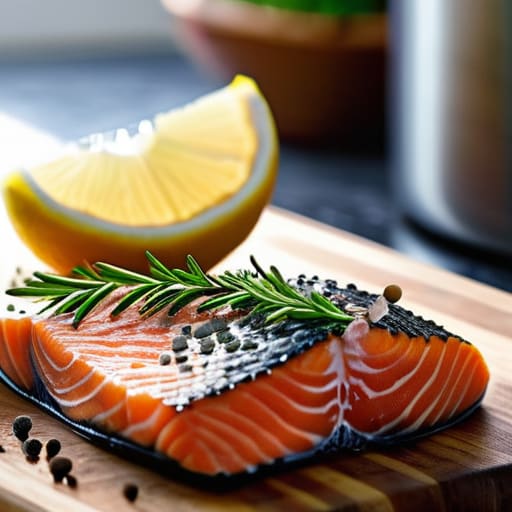
I am so tired of seeing those overly polished, “chef-standard” tutorials that make you feel like you need a degree in marine biology just to get dinner on the table. If you’ve ever stood in the grocery aisle staring at a piece of salmon, wondering if you’re about to waste twenty dollars on something that’s going to turn into a dry, rubbery mess, I hear you. There is way too much unnecessary drama surrounding how to cook fish, with people insisting you need expensive thermometers or specialized poaching liquids just to avoid a disaster. Honestly? Most of that is just noise designed to make a simple task feel much more daunting than it actually is.
I’m not here to give you a lecture or a list of ingredients you can’t find at your local supermarket. My goal is to give you the straight-talking, actionable wins you need to master your kitchen without the headache. I’m going to show you the most efficient, foolproof ways to get a perfect sear and a flaky center every single time. We’re going to strip away the pretension and focus on the practical reality of making a great meal, so you can stop stressing and just start eating.
Table of Contents
Choosing the Best Fish for Beginners Without the Stress
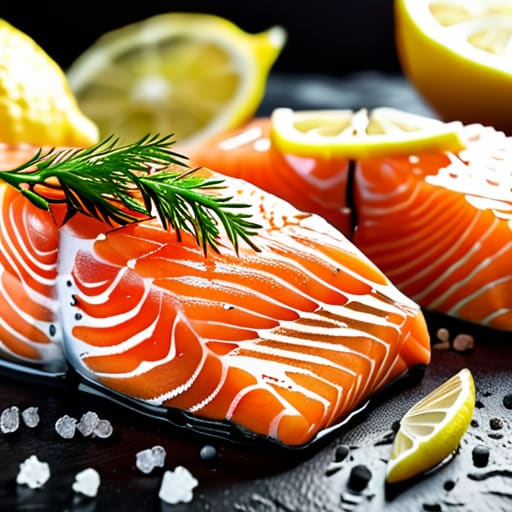
Look, I get it. Walking into the seafood counter can feel like a high-stakes exam you didn’t study for. You’re staring at a wall of silver and white, wondering if you’re about to come home with something expensive that tastes like a saltwater sponge. Let’s simplify this: if you’re just starting out, you want something forgiving. I always tell my clients to start with salmon or cod. Salmon is incredibly hearty and hard to mess up, while cod is mild and holds its shape well. These are truly the best fish for beginners because they don’t require a degree in marine biology to handle properly.
Don’t feel like you have to hunt down the “catch of the day” to have a decent meal. Honestly, some of my favorite weeknight wins come from the freezer aisle. When it comes to fresh vs frozen fish tips, just remember that high-quality frozen fillets are often flash-frozen at sea, meaning they’re just as nutritious as the fresh stuff. Just make sure you thaw them completely in the fridge before you even think about touching a pan. Keep it simple, keep it reliable, and you’ll save yourself a lot of unnecessary kitchen anxiety.
Fresh vs Frozen Fish Tips for a Faster Kitchen
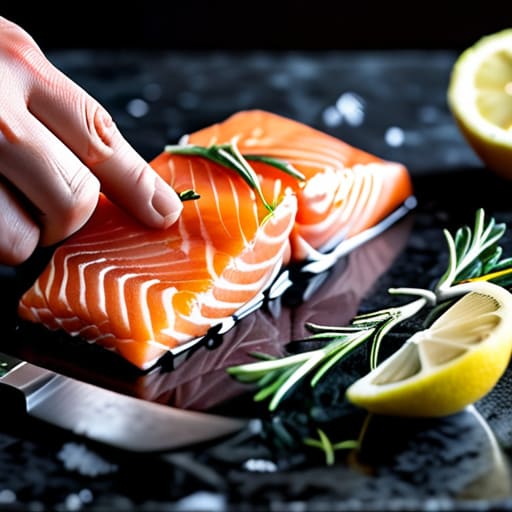
I used to think that if it didn’t come from the fresh counter at the local market, it wasn’t worth eating. But between managing freelance clients and keeping a household running, I’ve learned that “fresh” is often just a marketing trap that adds unnecessary stress. Honestly, high-quality frozen fillets are a lifesaver for a quick weeknight meal. The secret to these fresh vs frozen fish tips is all in the thaw; move your fillets from the freezer to the fridge the night before. If you try to cook them straight from frozen, you’ll likely end up with a watery mess that ruins your pan.
When you are ready to cook, remember that frozen fish can sometimes hold more moisture. To avoid a soggy texture, pat the fillets extremely dry with paper towels before they hit the heat. This is your best defense for preventing fish from sticking to pan and ensuring you get that golden-brown crust we all want. Whether you’re working with a fresh snapper or a frozen salmon, as long as you control the moisture and the heat, you’re already halfway to a win.
5 Rules of Thumb to Keep Your Fish from Turning Into a Mess
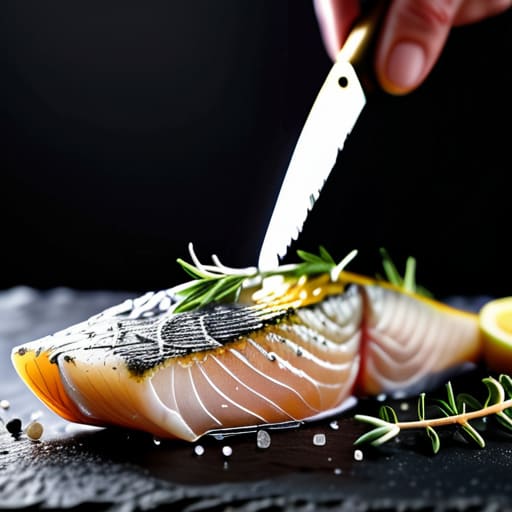
- Pat that fish dry. I’m serious. If you take a piece of salmon straight from the water and throw it in a pan, you’re going to end up steaming it instead of searing it. Grab a paper towel and press down firmly until the skin is bone-dry. It’s the difference between a crispy crust and a soggy disappointment.
- Stop poking it. I know it’s tempting to keep lifting the fillet to see if it’s done, but every time you do that, you lose the heat and mess with the texture. Let it sit. Trust the process, let the heat do the work, and only check it once near the end.
- Season it right before it hits the heat. If you salt your fish too early and let it sit on the counter, the salt will draw out the moisture and leave you with something tough. Salt it, then get it into the pan immediately. Simple as that.
- Learn the “flake test.” You don’t need a fancy digital thermometer for every single meal (though they have their uses). Take a fork and gently press down on the thickest part of the fish. If it flakes easily along the natural lines, it’s done. If it feels springy or tough, give it another minute.
- Don’t crowd the pan. If you’re trying to cook four fillets at once in a small skillet, you’re asking for trouble. You’ll drop the temperature of the pan, the fish will clump together, and you’ll lose that beautiful sear. Give each piece its own space to breathe.
My Three Golden Rules for Fish Night
Don’t hunt for perfection; pick a reliable, fatty fish like salmon if you’re nervous, as it’s much more forgiving if you overcook it by a minute.
Buy frozen if you’re a busy parent or a spontaneous cook—it’s often fresher than the “fresh” counter at the grocery store, and it takes the guesswork out of meal planning.
Keep your seasoning simple so you actually taste the food; a little salt, pepper, and a squeeze of lemon is more than enough to get the job done.
Don't Let the Fear of a Messy Kitchen Stop You
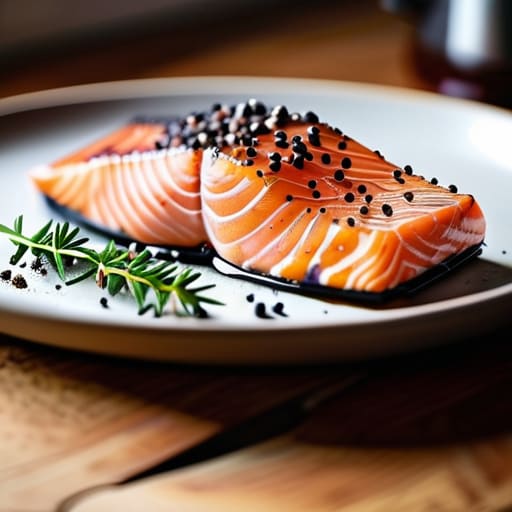
At the end of the day, cooking fish doesn’t need to be some high-stakes culinary performance. We’ve covered the essentials: pick a reliable fillet, don’t be afraid to lean on the freezer when life gets hectic, and remember that simplicity is your best friend in the kitchen. Whether you’re searing a piece of salmon in a hot pan or baking something quick in the oven, the goal isn’t perfection—it’s just a decent, nutritious meal that doesn’t leave you with a mountain of dishes and a sense of dread. If you get the temperature right and keep your seasoning straightforward, you’ve already won half the battle. Keep it simple, keep it clean, and just get it on the plate.
I know that for a lot of people, the fish counter feels intimidating, but I promise you, it’s much less complicated than fixing a wobbly mid-century chair leg. Once you break it down into these small, manageable steps, you’ll realize that you are perfectly capable of handling it. Stop letting the “what-ifs” keep you from trying something new. My best advice? Just dive in. You might burn a piece here or there, but that’s just part of the process. The more you do it, the more it becomes just another part of your routine. Now, go grab that pan and get cooking.
Frequently Asked Questions
How do I know when the fish is actually done without overcooking it and turning it into rubber?
The “fork test” is your best friend here, but don’t just poke it aimlessly. Take a fork and gently press down on the thickest part of the fillet. If the flesh flakes easily along the natural lines, it’s ready. If it feels springy or resists you, give it another minute. I always pull mine off the heat just a hair early—carryover cooking will finish the job without turning your dinner into a rubber band.
What are some basic seasonings I can use so I'm not staring at the pantry for twenty minutes?
Look, you don’t need a spice rack that looks like a chemistry lab. Keep it simple so you can actually get dinner on the table. I always keep kosher salt, cracked black pepper, garlic powder, and dried lemon peel on hand. If you want to level up without the mental load, grab some smoked paprika or dried dill. That’s it. Season, sear, and move on with your evening. Don’t overcomplicate it.
Is there a way to cook fish without my entire house smelling like a pier for the next three days?
Trust me, I’ve been there. There is nothing worse than trying to relax in a living room that smells like a bait shop. To keep the scent at bay, my golden rule is to bake or steam your fish rather than pan-frying it in an open skillet. If you must sear, keep a window cracked and a small fan running toward the outside. It’s all about controlling the airflow before the smell settles in.