Stop Eating Dry Chicken: the Secret to Juicy Breasts
I am so tired of seeing those thirty-minute “gourmet” tutorials that require you to buy a specialized sous-vide machine and a library of exotic spices just to get through a Tuesday night. Honestly, if I see one more recipe claiming you need a culinary degree to master how to cook chicken breast, I might actually lose my mind. We aren’t trying to win a Michelin star here; we are trying to feed a family without spending two hours hovering over a stove or ending up with something that has the texture of a discarded flip-flop.
I’m not going to waste your time with fluff or complicated kitchen gadgets you’ll never use. Instead, I’m giving you the straightforward, repeatable method I’ve used for years to keep my kitchen running smoothly and my family actually eating. I’ll show you how to get juicy, flavorful results using basic pantry staples and a little bit of common sense. Let’s cut through the noise and finally get dinner on the table without the unnecessary drama.
Table of Contents
Mastering the Pan Seared Chicken Breast Technique
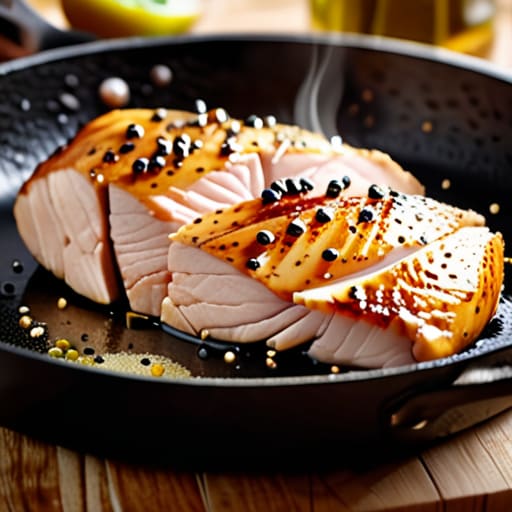
Look, we aren’t trying to win a Michelin star here; we’re just trying to avoid that rubbery, flavorless texture that makes you want to order takeout instead. The secret to a solid pan seared chicken breast technique starts long before the oil hits the pan. First, pat that meat dry with a paper towel. If it’s damp, it’s going to steam instead of sear, and steaming is exactly how you end up preventing dry chicken breast from ever actually happening. Give it a generous coating of olive oil and your favorite spices—I usually stick to salt, pepper, and a bit of garlic powder—right before it hits the heat.
Once it’s in the skillet, leave it alone. I know it’s tempting to poke at it, but let that golden-brown crust form. If you’re worried about timing, don’t guess. Use a meat thermometer to check the internal temperature for chicken; you’re aiming for 165°F. Once you hit that mark, pull it off the heat and let it rest for five minutes. It’s the hardest part of the process, but patience is what keeps the juices inside where they belong.
The Best Seasoning for Chicken Without the Fuss
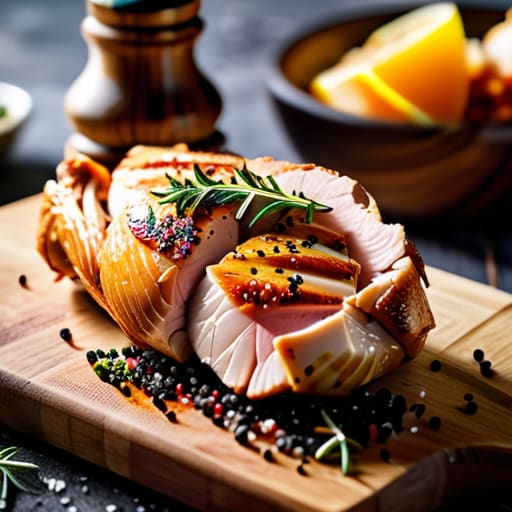
Look, I don’t have the patience for a spice cabinet that looks like a chemistry lab, and frankly, neither do you. When I’m looking for the best seasoning for chicken, I’m not looking for a twenty-ingredient blend that’s going to sit in my pantry for three years. My rule of thumb is simple: keep the base strong and the additions minimal. A heavy hand with Kosher salt and cracked black pepper is non-negotiable. If you want to elevate it without turning it into a project, reach for smoked paprika or a dried herb like oregano. That’s it.
The real trick isn’t just what you put on the surface, but how you apply it. I’ve learned the hard way that if you don’t season the meat thoroughly before it hits the heat, you’re just eating bland protein. I like to pat the meat completely dry with paper towels first; moisture is the enemy of a good crust. By ensuring the seasoning actually sticks to the surface, you’re doing more than just adding flavor—you’re actually helping to prevent dry chicken breast by creating a flavorful barrier that locks in those juices. Keep it simple, keep it bold, and let’s move on.
Five No-Nonsense Rules for Chicken That Actually Tastes Good
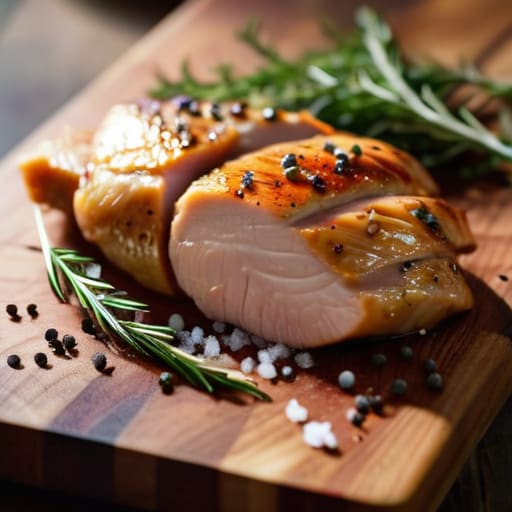
- Stop cooking it straight from the fridge. I know, it’s tempting to just throw it in the pan when you’re hungry, but giving that meat ten minutes to sit on the counter at room temperature makes a massive difference in how evenly it cooks.
- Get a meat thermometer. I don’t care how much you think you can “see” if it’s done; guesswork is how you end up with a rubbery, dry mess. Pull it off the heat at 160°F and let the carryover cooking take it to 165°F.
- Pat it dry with paper towels first. If the surface is wet, you aren’t searing; you’re steaming. You want that golden-brown crust, and that only happens when the moisture is gone before it hits the oil.
- Don’t crowd the pan. If you’re trying to cook four breasts in a small skillet, the temperature will plummet and you’ll lose that beautiful crust. Cook in batches if you have to—I’d rather take an extra five minutes than eat a sad, grey piece of meat.
- Let it rest. This is the hardest part when the smell is hitting you, but if you slice into it the second it leaves the pan, all those juices will run out onto the plate. Give it five minutes of peace so the moisture stays where it belongs: inside the meat.
The Bottom Line for Better Chicken
Stop guessing with the temperature; grab a meat thermometer so you can pull the chicken off the heat exactly when it’s done, rather than playing a guessing game that leaves you with dry meat.
Don’t neglect the prep—pat that chicken dry with a paper towel before it hits the pan, or you’ll end up steaming it instead of getting that golden-brown crust we’re looking for.
Keep your seasoning simple and consistent; you don’t need a pantry full of exotic spices when a solid hit of salt, pepper, and maybe a little garlic powder will do the heavy lifting every single time.
Let’s Get This Done
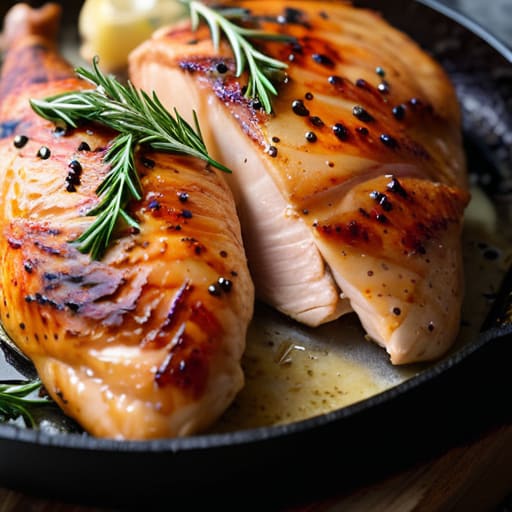
At the end of the day, cooking a decent chicken breast shouldn’t feel like a high-stakes project management meeting. We’ve covered the essentials: get your pan hot, don’t be afraid of a little salt and pepper, and for heaven’s sake, stop poking at the meat every thirty seconds. If you remember nothing else, just remember that heat and timing are your best friends. Once you master that basic pan-sear and keep your seasoning simple, you’ve effectively removed one of the biggest “what’s for dinner?” stressors from your weekly mental load. It’s about efficiency and consistency, not perfection.
I know how it goes—you come home after a long day, the house is a mess, and the last thing you want to do is wrestle with a piece of poultry. But once you have this down, you’ll realize that a functional kitchen relies on these small, repeatable wins. You aren’t just making a meal; you’re reclaiming your evening and reducing the chaos of a busy schedule. So, grab your notebook, keep your seasoning handy, and just get it in the pan. You’ve got this, and more importantly, dinner is officially handled.
Frequently Asked Questions
How do I know if the chicken is actually done without constantly poking it with a knife?
Look, I get it—poking holes in your dinner with a knife is a quick way to let all those juices escape, leaving you with something that tastes like a dry sponge. If you want to stop guessing, buy a digital meat thermometer. It’s a small investment that saves so much mental energy. Just pull the chicken when it hits 165°F. No guesswork, no mess, just a perfectly cooked meal on the table.
Is it worth it to let the meat rest, or am I just wasting time?
Look, I get it. When you’re hungry and the kitchen is a mess, five minutes feels like an eternity. But trust me: let it rest. If you slice into that chicken the second it hits the plate, all those juices you worked so hard for will just run out onto the cutting board, leaving you with dry, sad meat. Give it five minutes under some foil. It’s a tiny bit of patience for a much better dinner.
What should I do if I accidentally overcook it and it turns out dry?
Look, it happens to the best of us. If you realize too late that your chicken is a bit like sawdust, don’t toss it. Slice it thin and toss it into a quick pan sauce—think a splash of chicken broth, a squeeze of lemon, or even just a bit of pesto. The moisture from the sauce will do the heavy lifting to save the texture. It’s not a ruined meal; it’s just a pivot.