How to Decorate on a Budget While Maintaining a Luxury Look
I used to think that making a room look “finished” required a massive credit card limit and a designer on speed dial. Between managing freelance projects and trying to keep a suburban household from descending into total chaos, I simply didn’t have the time—or the desire—to spend my life savings on a single living room refresh. We’ve all been there, staring at a corner that feels just a little bit off but feeling paralyzed because we think style is a luxury we can’t afford. But here’s the truth: you don’t need a huge renovation to fix a room that feels stagnant. Finding effective budget decorating ideas isn’t about buying more stuff; it’s about being intentional with what you already have and knowing where to direct your energy.
In this post, I’m stripping away the fluff and giving you five practical ways to elevate your space without breaking the bank. I’m sharing the exact methods I use when I’m tackling a new room in my own home, from clever thrifted finds to simple organizational shifts. You’re going to learn how to create a sense of purposeful design through small, actionable wins that actually stick. Let’s stop overcomplicating the process and just get your home looking the way it should.
Table of Contents
Shop Your Own House First

Before you even think about opening a single tab on Amazon or driving to a big-box retailer, I want you to walk through your own rooms with a fresh set of eyes. We all have that one chair tucked in a corner that we never sit in, or a stack of books that’s been gathering dust on a shelf for three years. Most of the time, we aren’t actually lacking decor; we are just suffering from visual stagnation.
Hunt for Mid-Century Gems
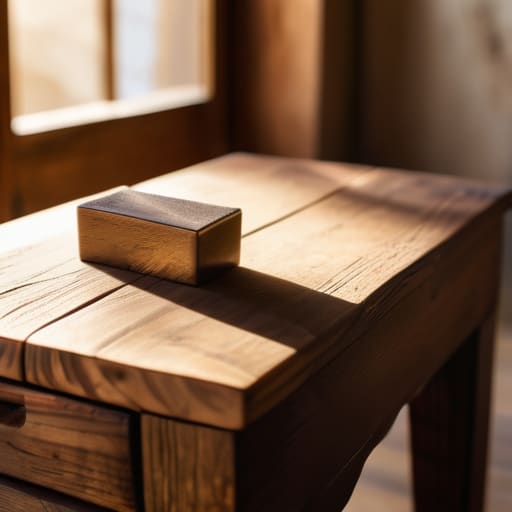
One of my favorite ways to decompress after a long week of consulting is scouring local thrift stores and Facebook Marketplace for solid wood pieces. Don’t get distracted by the cheap, particle-board stuff that falls apart if you look at it wrong; instead, look for the bones of quality furniture. A scratched-up walnut side table might look like junk to some, but to me, it’s just a weekend project waiting to happen.
The Power of Textile Swaps
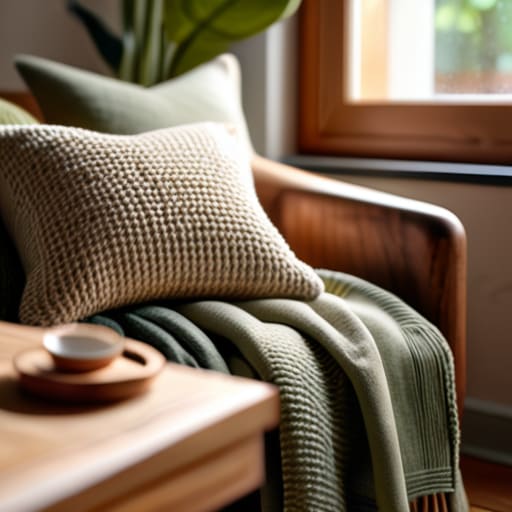
If a room feels cold or unfinished, it’s usually because it lacks texture. You don’t need to replace your sofa to make it feel new; you just need to change how it interacts with the light and your touch. I always tell my clients to focus on layering fabrics to add depth. A couple of heavy linen pillows or a chunky knit throw can make a budget-friendly couch look like a designer piece.
Let There Be Light
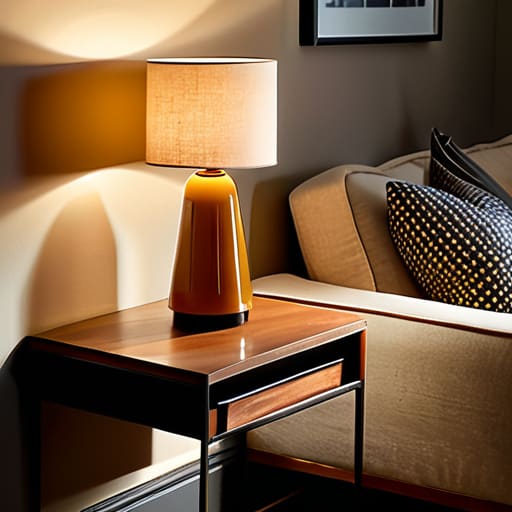
Nothing kills the mood of a well-decorated room faster than a single, harsh overhead light. I call it “interrogation lighting,” and it’s the enemy of a cozy home. To fix this on a budget, stop relying on the ceiling fixture and start building layers of light at eye level. Think floor lamps in dark corners, small task lamps on desks, and maybe even some battery-operated sconces if you don’t want to mess with wiring.
Greenery as Living Decor
If you have an empty corner or a shelf that looks a bit “naked,” stop looking at vases and start looking at plants. Nature is the ultimate decorator because it adds color, height, and movement all at once. You don’t need a green thumb to pull this off, either; just start with something nearly impossible to kill, like a Pothos or a Snake Plant.
The Bottom Line
Stop waiting for a massive windfall to fix your space; real comfort comes from small, intentional changes rather than expensive, sweeping renovations.
Focus on functionality first—if a piece of decor doesn’t serve a purpose or make your daily flow easier, it’s just more clutter you don’t need.
Use what you have and hunt for what you need; a little bit of DIY effort or a lucky thrift store find beats a high-end showroom every single time.
Making It Your Own
At the end of the day, decorating doesn’t have to mean draining your savings account or waiting for a massive windfall to make a change. Whether you’re scouring thrift stores for a solid wood side table, giving old hardware a quick polish, or simply rearranging your existing layout to let the light hit the room differently, these small shifts add up. The goal isn’t to create a showroom that looks like it was plucked from a magazine; it’s about finding those clever, low-cost wins that make your space feel intentional. Remember, a little bit of paint and some strategic decluttering can do more for your sanity than a thousand-dollar designer lamp ever could. Just focus on one area at a time and don’t feel pressured to finish everything in a single weekend.
I’ve learned through years of fixing up this house that a home is a living, breathing thing—it’s never truly “finished.” Don’t let the pursuit of perfection paralyze you into doing nothing at all. If a room feels chaotic, grab your notebook, pick one small task, and just get started. Your home should be a place that supports your life, not a source of constant stress on your to-do list. You have the tools, the vision, and the capability to make this work. Now, stop overthinking it and go make your space actually work for you.
Frequently Asked Questions
How do I know if a thrifted piece is actually worth the effort of restoring, or if I'm just buying more clutter?
Look, I’ve been there—standing in a dusty thrift aisle, staring at a wobbly chair, wondering if I’m being savvy or just hoarding junk. Before you tap your card, check the bones. Is it solid wood or cheap particle board? If the structure is sound, the rest is just surface work. If it’s structurally compromised or made of flimsy MDF, walk away. Don’t buy a project that’s actually just a future trip to the landfill.
Is it better to spend a little more on one high-quality item or just go for several cheap pieces to fill the space?
Look, I’ve spent enough time in corporate boardrooms and my own living room to know that “cheap” usually ends up being expensive. If you buy five flimsy side tables that wobble the moment you set a coffee mug down, you’ll be replacing them in six months. Buy one solid, well-made piece that actually serves its purpose. It’s better to have one intentional, high-quality item that works than a house full of clutter that just feels temporary.
How can I make these low-cost changes look intentional rather than just looking like I'm trying to hide a lack of budget?
The secret is cohesion. If you’re pulling from thrift stores or budget aisles, you have to pick a “thread”—a consistent color palette, a specific metal finish, or a recurring texture—and stick to it. When everything shares a common language, those mismatched pieces look like a curated collection rather than a random grab bag. Don’t just buy things because they’re cheap; buy them because they fit the vision you’ve already set.