How to Plate Balanced Meals Without Tracking Macros
I am so tired of seeing those “perfect” wellness influencers post photos of their color-coded, deconstructed grain bowls that look more like art installations than actual food. If you need a degree in nutrition and three hours of meal prep just to figure out how to build a balanced meal, something is fundamentally broken. Between managing freelance clients and keeping my teenagers from living solely on frozen pizza, I don’t have the luxury of following a twenty-step recipe that requires ingredients I can’t find at my local grocery store. We need to stop treating nutrition like a high-stakes corporate merger and start treating it like what it actually is: fuel for real life.
I’m not here to sell you a lifestyle overhaul or a subscription to a meal kit service. Instead, I’m going to give you the straightforward, repeatable framework I use to keep my family fed without losing my mind. I’ll show you how to strip away the fluff and use a simple, modular approach to plate your food so you can stop overthinking and just eat. We’re going to focus on small, actionable wins that work even when your schedule is falling apart.
Table of Contents
Mastering the Simple Protein Vegetable Carbohydrate Ratio
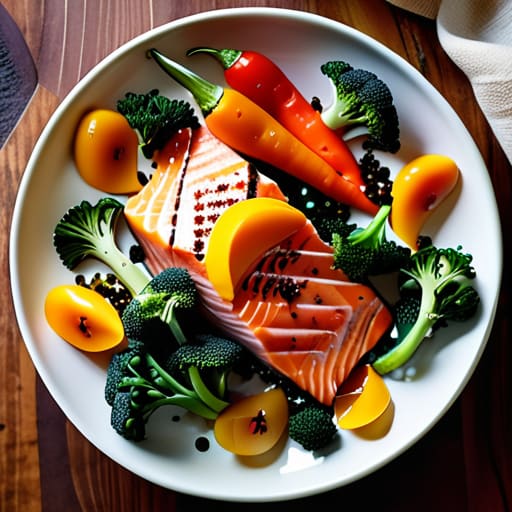
Look, you don’t need a degree in nutrition or a complex spreadsheet to get this right. I used to spend way too much time obsessing over calorie counts, but it just added to the mental load. Instead, I lean on a simple healthy plate method that works every single time. Think of your plate as a workspace: you need a solid foundation of vegetables, a reliable engine of protein, and just enough carbohydrates to keep the lights on.
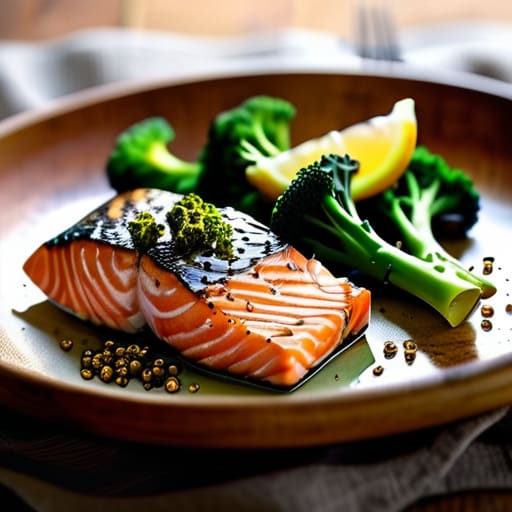
When I’m meal prepping for the week, I don’t aim for perfection; I aim for a functional protein vegetable carbohydrate ratio. I aim for half the plate to be colorful veggies, a quarter for a clean protein like chicken or lentils, and the final quarter for a complex carb like sweet potato or quinoa. It’s not about restriction; it’s about intentionality. If you get the proportions right, you won’t find yourself crashing at 3:00 PM looking for a sugary snack. It’s about making the decision once so you don’t have to fight yourself every time you open the fridge.
Using the Healthy Plate Method for Instant Wins
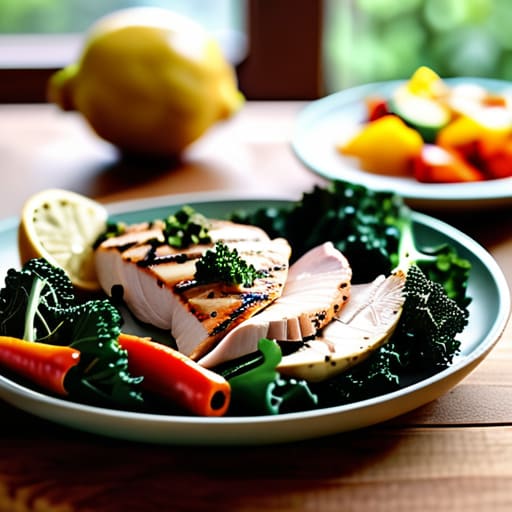
If you aren’t interested in tracking every single gram of food like a scientist, the healthy plate method is your best friend. It’s the ultimate shortcut for when you’re staring into a fridge at 6:00 PM and feeling that decision fatigue set in. Instead of pulling out a scale, just look at your plate as a visual map. Aim to fill half of it with non-starchy vegetables, a quarter with lean protein, and the remaining quarter with complex carbs. It’s not about perfection; it’s about visual cues that keep you from overdoing the heavy stuff.
This approach acts as a built-in system for portion control for healthy eating without the mental gymnastics. I’ve found that when I stop obsessing over calorie counts and start focusing on these simple spatial ratios, the stress of mealtime just evaporates. It turns a complex nutritional puzzle into a simple, repeatable habit. You don’t need a PhD to eat well; you just need to learn how to divide your plate.
Five Ways to Stop Stressing and Start Eating Better
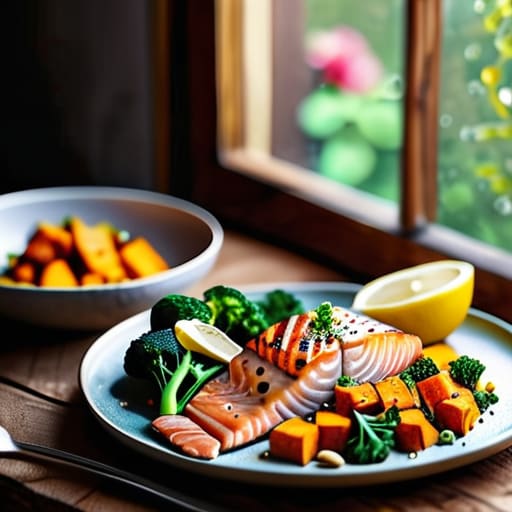
- Keep your pantry stocked with “emergency” staples like canned beans, quinoa, and frozen veggies so you aren’t staring blankly at the fridge at 6:00 PM.
- Don’t get hung up on perfection; if your meal is 80% there, call it a win and move on with your evening.
- Use the “one-pan” rule whenever possible to minimize the mental load of cleanup and keep the cooking process straightforward.
- Learn to prep your components, not your meals—roast a big batch of vegetables or boil some eggs ahead of time so you can assemble a balanced plate in minutes.
- Trust your gut on seasoning; if it tastes flat, add acid like a squeeze of lemon or a splash of vinegar rather than just dumping more salt on it.
The Bottom Line: Keep It Simple
Forget the complicated macros and calorie counting; just focus on getting a solid protein, a good veggie, and a complex carb on your plate every single time.
Use your eyes instead of a scale—if half your plate is colorful produce, you’re already winning the nutrition game.
Don’t let perfectionism stall your progress; a “good enough” balanced meal is infinitely better than a stressful, unorganized one.
Stop Aiming for Perfection, Start Aiming for Progress
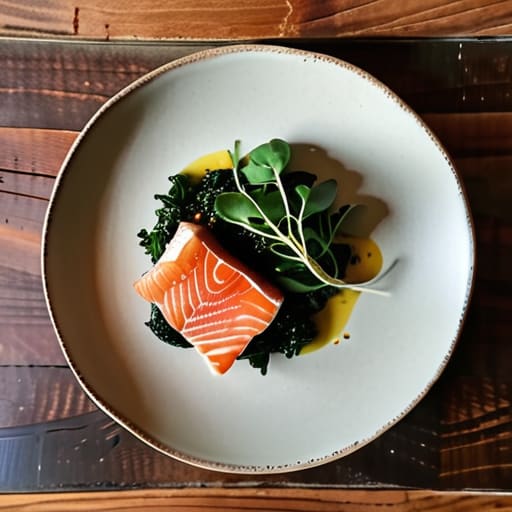
Look, I know how it goes. You start the week with these grand visions of gourmet, macro-counted feasts, only to end up staring blankly into the fridge at 6:00 PM on a Tuesday. But here is the reality: you don’t need a culinary degree or a spreadsheet to eat well. If you can remember to grab a solid protein, throw in a handful of greens, and add a reliable carb, you have already won the battle. It’s about applying that simple ratio we talked about rather than getting lost in the weeds of complicated recipes. Once you master the basic framework of the healthy plate method, you stop treating mealtime like a high-stakes math exam and start treating it like fuel for your actual life.
At the end of the day, my goal isn’t to turn you into a chef; it’s to help you reclaim your time and your energy. We spend enough of our lives managing chaos, so don’t let your dinner be another source of mental clutter. Use these tools to strip away the decision fatigue and just get it done. When you stop overcomplicating your plate, you create space for the things that actually matter—whether that’s a quiet moment with a book or finally finishing that project in the garage. Eat well, keep it simple, and move on with your day.
Frequently Asked Questions
What if I’m eating out or grabbing something quick from a deli—how do I keep the balance without a kitchen?
Look, I get it. Some days, the last thing you want to do is prep a meal from scratch. When I’m grabbing something from a deli or a quick takeout spot, I use the same mental checklist. If I’m ordering a sandwich, I’ll ask for extra greens or a side salad to hit that veggie quota. If it’s a bowl, I just eyeball the proportions. Don’t aim for perfection; just aim for balance.
Do I really need to track exact portions, or can I just eyeball it?
Look, if you’re anything like me, the idea of weighing out every single blueberry feels like a recipe for burnout. Honestly? You don’t need a scale to live well. I’ve found that “eyeballing it” works perfectly fine once you get a feel for your own hand as a measuring tool. Use your palm for protein and your fist for veggies. It’s about intuitive awareness, not mathematical perfection. Just eat, stop overthinking, and move on.
How do I handle balanced meals when I'm following a specific diet like vegetarian or gluten-free?
Don’t let a dietary restriction turn your kitchen into a battlefield. Whether you’re going vegetarian or gluten-free, the framework doesn’t change—only your ingredients do. If you’re meatless, swap the chicken for lentils or chickpeas to hit that protein mark. If you’re avoiding gluten, trade the pasta for quinoa or sweet potatoes. Stick to the ratio, swap the source, and keep moving. Don’t overcomplicate it; just find your new staples and get cooking.