Finding Order in the Chaos Under Your Sink
I was elbow-deep in a puddle of spilled dish soap yesterday, wrestling with a tangled mess of sponges and half-empty spray bottles, when it hit me: we’ve been lied to about home organization. You don’t need a three-hundred-dollar custom acrylic drawer system or a degree in interior design to master how to organize under the sink. Most of those “aesthetic” organization influencers are just selling you more plastic that ends up cluttering your life. In my house, if a solution doesn’t survive a frantic Tuesday morning rush or a leaking bottle of Windex, it’s not a solution—it’s just more expensive clutter.
I’m not here to give you a Pinterest-perfect fantasy that falls apart the moment you actually use your kitchen. Instead, I’m going to show you how to apply a bit of project management logic to that dark, damp corner of your cabinet. I’ll share the exact, low-cost methods I use to group my supplies, maximize every inch of vertical space, and finally stop the cabinet chaos. We’re going to focus on functional wins that actually stick, so you can grab what you need and get on with your day.
Table of Contents
Kitchen Cabinet Decluttering Tips for Real Life
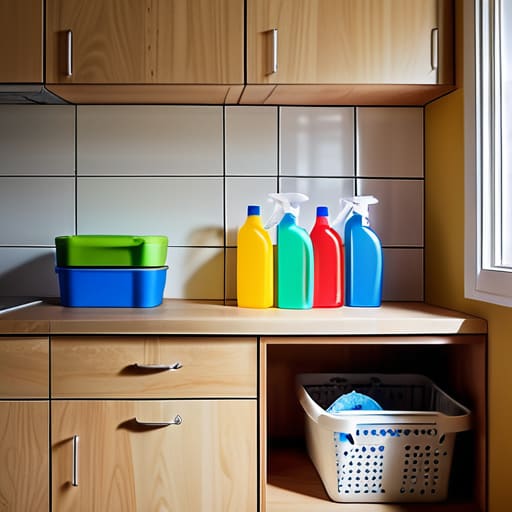
Before you even think about buying a single plastic bin, you have to face the music: most of what’s under there probably doesn’t belong. I learned this the hard way when I spent twenty minutes digging for a sponge only to find three expired bottles of multi-purpose cleaner and a sponge that looked like it had seen better decades. Start by pulling everything out—yes, everything—and sorting it into “keep,” “toss,” and “relocate.” If it’s a heavy degreaser that belongs in the laundry room, move it. Real kitchen cabinet decluttering tips start with ruthless honesty about what you actually use on a weekly basis.
Once the junk is gone, it’s time to talk strategy. I’m a huge advocate for modular storage bins for cabinets because they let you group like-items together, like all your dish soaps in one spot and your scrubbers in another. If you have a deep, dark cavern of a cabinet, don’t just stack things; use under sink pull out organizers to bring the back items to the front. It stops that inevitable “digging” that leads to knocking over bottles and preventing leaks in kitchen cabinets by ensuring everything stays upright and contained.
Maximizing Small Cabinet Space Without the Stress
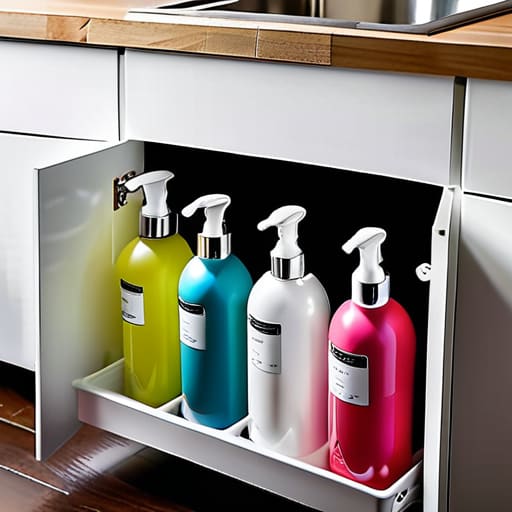
When you’re staring at a cramped, dark cabinet, the instinct is to just shove everything in and hope for the best. Don’t do that. The secret to maximizing small cabinet space isn’t about having more room; it’s about making the room you have actually work for you. I’ve learned through years of trial and error—and a few spilled bottles of dish soap—that verticality is your best friend. Instead of stacking bottles in a precarious tower, look into using tiered organizers or even small tension rods to create “shelves” for your sprays.
If you really want to stop the headache, invest in some under sink pull out organizers. There is nothing more frustrating than digging through a dark corner for a sponge only to realize you’ve just knocked over a bottle of bleach. Being able to slide a drawer out and see everything at a glance changes the entire energy of your kitchen. It turns a frantic search into a two-second task, which is exactly the kind of mental load reduction we’re aiming for here.
Five Quick Wins to Stop the Under-Sink Struggle
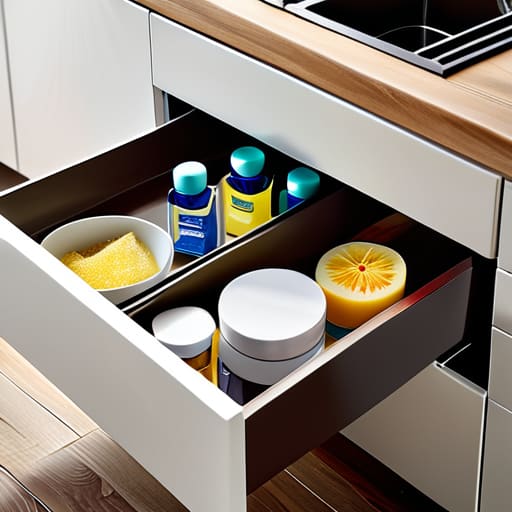
- Ditch the mismatched clutter and grab a set of clear, stackable bins. If you can’t see the bottle of multi-purpose spray hiding in the back, you’re just going to buy another one, and that’s a waste of money and space.
- Utilize the “dead zone” on the cabinet doors. I always use adhesive command hooks or small baskets on the inside of the door to hold sponges, scrub brushes, or even those half-used rolls of paper towels.
- Don’t let the plumbing dictate your life. Use an expandable under-sink organizer designed with a cutout for the pipes; it lets you use every inch of that awkward, notched-out space instead of leaving it empty.
- Group your supplies by “mission.” Keep your heavy-duty degreasers in one bin and your delicate surface cleaners in another. When you’re cleaning the stovetop, you want to grab one bin and go, not hunt through a graveyard of random bottles.
- Invest in a small tension rod. It sounds simple, but hanging your spray bottles by their triggers from a rod keeps them upright and easy to grab, leaving the floor of the cabinet free for larger items like dish soap refills.
Three Ways to Keep the Chaos at Bay
Stop hoarding half-empty bottles; if you haven’t used that mystery cleaning spray in six months, toss it or donate it so you can actually see what you own.
Invest in clear, stackable bins to group your items by task—sprays in one, sponges in another—so you aren’t digging through a junk pile every time a spill happens.
Use the vertical space you’re currently wasting by adding an under-sink pull-out drawer or a small tension rod to keep your most-used tools within arm’s reach.
Getting It Done
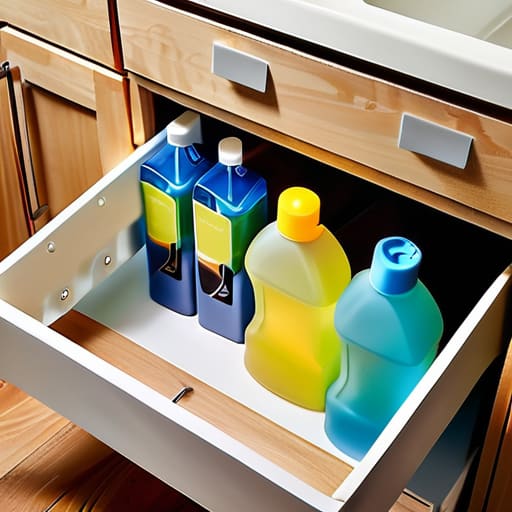
At the end of the day, organizing your under-sink space isn’t about achieving some Pinterest-perfect aesthetic; it’s about eliminating the friction in your daily routine. We’ve covered the essentials: pulling everything out to see what you actually use, grouping your cleaners into clear bins, and using tiered organizers so you aren’t digging through a dark abyss every time you need a sponge. Remember, if you haven’t touched that mystery bottle of specialized wood polish in two years, it doesn’t belong under your kitchen sink. Focus on functional grouping and accessibility, and you’ll stop fighting the cabinet and start actually using it.
I know that when you’re staring at a cluttered, damp corner of your kitchen, it can feel like just one more thing on an endless to-do list. But I promise you, once that cabinet is sorted, the mental load lightens just a little bit. It’s one less small frustration to deal with while you’re trying to prep dinner or clean up after the kids. Don’t aim for perfection on your first pass—just aim for order that works for you. Grab your notebook, pick a corner, and just get it done. You’ve got this.
Frequently Asked Questions
What should I do about those leaky pipes or damp smells that make the whole cabinet feel gross?
Look, if there’s a damp smell or a slow drip, you can’t just organize your way out of it. Stop and check the P-trap and the supply lines first. If it’s a tiny leak, a quick tightening might do it, but don’t play hero if you need a plumber. While you’re at it, toss an old sponge or some baking soda in there to kill the funk. Fix the source, then organize.
Are clear plastic bins actually worth the money, or am I better off just using old shoeboxes?
Look, I’ve been there. I once tried to save a few bucks using old shoeboxes, and let me tell you, it was a disaster. Once a bottle leaked, the cardboard turned into a soggy mess. If you can swing it, go with the clear plastic bins. They let you see exactly what’s inside without digging, they’re easy to wipe down, and they actually last. Save the shoeboxes for your closet; your cleaning supplies deserve better.
How do I organize heavy cleaning bottles so they don't tip over every time I open the door?
The tipping is the worst—it’s loud, messy, and feels like a personal defeat every time it happens. The trick is to stop treating the floor of that cabinet like a parking lot. Grab a sturdy, non-slip drawer organizer or even a heavy-duty plastic bin. Group your heaviest bottles together at the very back. If you have tall, awkward ones, a small tension rod or a tiered spice rack can help stabilize them so they stay upright when the door swings.