Eating Well Without Breaking the Bank
I’m so tired of seeing those “wellness influencers” tell you that eating well requires a $15 jar of organic almond butter and a pantry full of exotic superfoods you can’t even pronounce. Honestly, it’s exhausting and, frankly, a total lie. When I was juggling a corporate career and raising two teenagers in a house that always seemed to need fixing, I didn’t have the luxury of chasing expensive health trends. I learned the hard way that healthy eating on a budget isn’t about finding a magic ingredient; it’s about eliminating the fluff and focusing on what actually fills your plate and your wallet.
I’m not here to sell you a complicated meal prep system that takes six hours every Sunday or a list of boutique grocery stores. I’m going to give you the straight talk on how I manage my kitchen without the mental overload. We’re going to talk about real, actionable wins—like strategic bulk buying and simple pantry staples—that turn mealtime from a chaotic expense into a functional routine. Let’s stop overcomplicating your dinner and just get it done.
Table of Contents
Smart Wins With Affordable Whole Foods
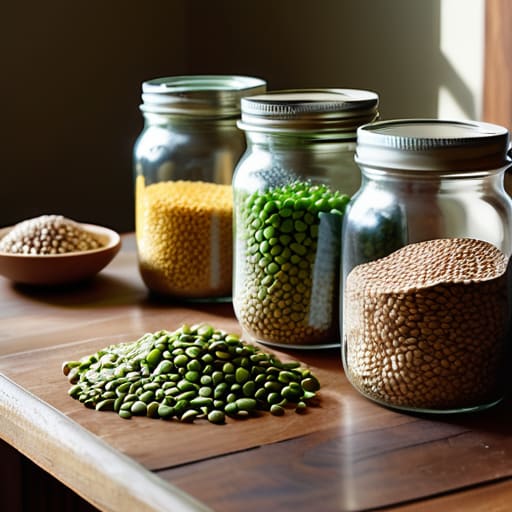
Look, you don’t need a massive organic budget to eat well; you just need to stop buying things that come in a colorful box. I’ve learned through years of managing both corporate projects and a busy household that the most efficient way to fuel your body is by leaning into affordable whole foods. I’m talking about the staples: dried lentils, brown rice, oats, and bags of frozen vegetables. These aren’t “diet food”—they are the building blocks of a functional kitchen. When I sit down to plan my week, I prioritize these items because they are predictable, filling, and won’t cause a crisis in my bank account.
One of my favorite ways to keep things moving is by focusing on low cost protein sources like eggs, canned tuna, or chickpeas. These are incredibly versatile and don’t require a culinary degree to prepare. If you can master a simple batch of roasted sweet potatoes and a big pot of beans, you’ve already won half the battle. It’s about building a pantry that works for you, rather than constantly reacting to hunger with expensive, processed convenience foods. Just keep it simple and stick to the basics.
Nutritious Grocery Shopping Tips That Actually Work
Look, I’ve spent enough time staring at grocery store aisles feeling overwhelmed to know that a “plan” is useless if it isn’t realistic. The secret isn’t finding some magic discount code; it’s about knowing how to navigate the shelves. First, stop reaching for the pre-cut fruit or the individual snack packs. You’re paying a massive premium for someone else to do five minutes of knife work, and it adds up fast. Instead, lean into low cost protein sources like dried lentils, canned tuna, or eggs. They are incredibly versatile and won’t break your monthly budget.
Another thing I’ve learned from years of managing both projects and a household: shop the perimeter. The center aisles are where the processed, expensive stuff lives. If you focus on the edges, you’ll naturally find more affordable whole foods that actually nourish you. Also, please, for the love of sanity, check your pantry before you leave the house. There is nothing more frustrating than buying a jar of cumin only to find three half-used ones hiding in the back of the cupboard. Stop the cycle of unnecessary spending by knowing what you already own.
Five Low-Stress Ways to Keep Your Kitchen Functional and Your Wallet Happy
- Master the art of the “pantry staple” meal. I keep a rotation of dried lentils, brown rice, and canned tomatoes on hand; they cost pennies per serving and can be turned into a dozen different dinners without a trip to the store.
- Stop buying pre-cut produce. It’s a massive convenience trap that eats your budget alive. I’ve learned that spending ten minutes chopping a head of cabbage or a bag of carrots on Sunday saves me twenty dollars by Thursday.
- Lean heavily on frozen veggies. They aren’t “lesser” than fresh; they’re often flash-frozen at peak nutrition and won’t turn into a slimy mess in the bottom of your crisper drawer if you forget about them for three days.
- Audit your fridge before you head out. I keep a little notebook on the fridge door to jot down what’s actually left. There is no point in buying a new jar of spices or another bag of onions when you already have three hiding in the back.
- Batch cook one big thing on Sundays. Whether it’s a massive pot of chili or a tray of roasted chicken, having a “base” protein or grain ready to go prevents that frantic, expensive decision to order takeout when you’re too tired to think.
The Bottom Line for Your Kitchen and Your Wallet
Stop chasing every new superfood trend; stick to the staples like beans, grains, and frozen veggies that actually fill you up without draining your bank account.
Shop with a plan and a full stomach to avoid those impulse buys that end up rotting in the crisper drawer—if it’s not on the list, it doesn’t go in the cart.
Focus on small, repeatable wins rather than a total lifestyle overhaul; it’s much easier to manage a budget when you’re making smart, simple choices every single week.
Getting It Done
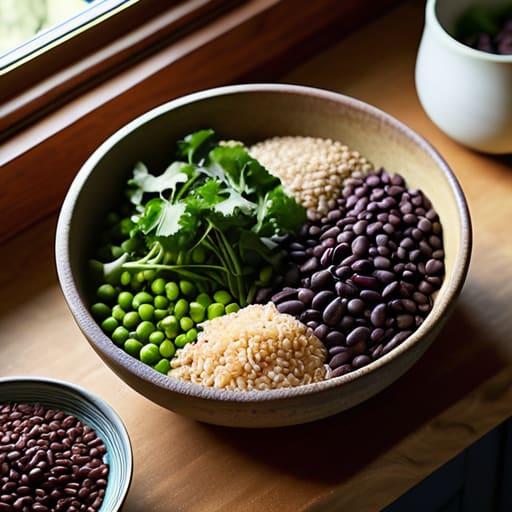
At the end of the day, eating well on a budget isn’t about following some impossible, Pinterest-perfect meal plan or spending your entire Saturday meal prepping gourmet salads. It’s really just about the basics: leaning on those affordable whole foods like beans, grains, and frozen veggies, and being a little more intentional when you’re actually walking through the grocery aisles. If you can master the art of a simple pantry staple and stop falling for the trap of expensive, pre-packaged “health foods,” you’ve already won half the battle. It’s about reducing the friction between your budget and your nutrition so you aren’t constantly fighting an uphill battle every single week.
I know how overwhelming it feels when the grocery bill keeps climbing and you feel like you’re failing at both health and finances. But please, don’t let perfectionism paralyze you. You don’t need a complete kitchen overhaul or a massive budget to make a difference; you just need to start with one or two small, consistent wins. Whether it’s buying in bulk or finally committing to a basic shopping list, those tiny adjustments add up to a much more manageable life. Let’s stop overcomplicating the process and just focus on what works for your real, messy, beautiful life. You’ve got this.
Frequently Asked Questions
How do I keep my food from spoiling if I'm buying in bulk to save money?
The secret is to stop treating your pantry like a storage unit and start treating it like a system. If you’re buying bulk, you have to prep immediately. I always split my large bags of grains or beans into smaller, airtight glass jars—it keeps them fresh and lets me see exactly what’s left. For produce, don’t just toss it in the crisper; wash, dry, and wrap greens in paper towels to soak up moisture. Organize by “use first” dates, and you’ll stop throwing money in the trash.
What are some quick, healthy meals I can whip up when I'm too exhausted to actually cook?
Look, we’ve all had those nights where the thought of standing over a stove feels impossible. When I’m running on empty, I lean on my “assembly, not cooking” rule. Think rotisserie chicken over bagged salad, or a quick quesadilla with canned black beans and frozen corn. Even a bowl of Greek yogurt with some nuts and fruit counts as a win. Don’t aim for gourmet; just aim for something that fuels you.
Is it really worth buying organic when I'm already trying to stick to a strict budget?
Look, I get the pressure to buy organic, but let’s be real: your budget comes first. If choosing organic means you’re skipping protein or fresh greens to afford it, you’ve lost the plot. My rule of thumb? Focus on the “Dirty Dozen” if you’re worried about pesticides, but otherwise, don’t sweat the labels. Just buy what’s seasonal, whole, and affordable. A bag of conventional spinach is infinitely better for you than an empty plate.