Refreshing Your Entire Space With Spring Cleaning

I am so tired of seeing those “aesthetic” cleaning videos where people spend three hours color-coding their spice racks and buying $50 specialized sprays for every single surface. Honestly, most of those viral spring cleaning tips are just expensive ways to procrastinate on the actual work. If you’re looking for a way to turn your home into a Pinterest board by spending your entire weekend scrubbing baseboards with a toothbrush, you’re in the wrong place. I don’t have time for the fluff, and frankly, neither do you.
My goal isn’t to help you achieve perfection; it’s to help you reclaim your sanity. I’m going to give you the straight-talking, no-nonsense strategies I use to keep my own house running smoothly without losing my mind in the process. We’re going to focus on high-impact, actionable wins that actually reduce your mental load. Forget the complicated checklists and the boutique cleaning kits—we’re going to focus on functional progress that turns your chaotic space back into a home you can actually breathe in.
Table of Contents
Quick Decluttering Techniques for Home Organization Wins
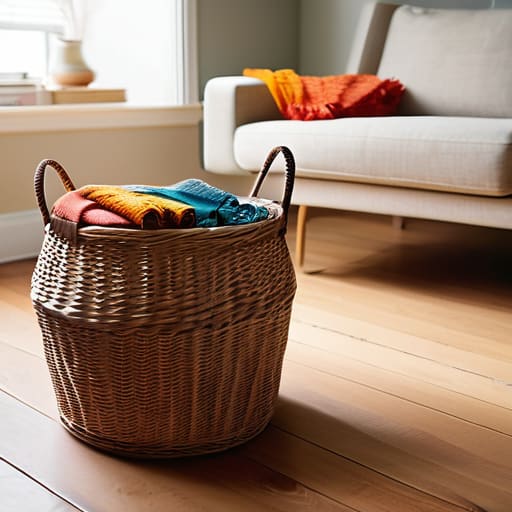
When it comes to tackling the chaos, I’ve learned that looking at the whole house at once is a one-way ticket to burnout. Instead, I swear by a few specific decluttering techniques for home organization that keep the momentum going without the mental meltdown. My go-to is the “Five-Minute Dash.” Set a timer, grab a laundry basket, and move through a single room, grabbing anything that doesn’t belong there. It’s not about deep sorting yet; it’s about immediate visual relief. Once that basket is full, you’ve already won the first battle.
If you’re feeling more ambitious, try the “One-In, One-Out” rule for your surfaces. If you bring a new decorative piece into a room, something else has to go. This keeps your minimalist functionalism intact and prevents that slow creep of “stuff” from taking over your counters. I also keep a small notebook in my kitchen to track what’s actually useful versus what’s just taking up space. Remember, the goal isn’t perfection; it’s about creating breathing room so you can actually enjoy your home again.
A Room by Room Cleaning Guide That Actually Works
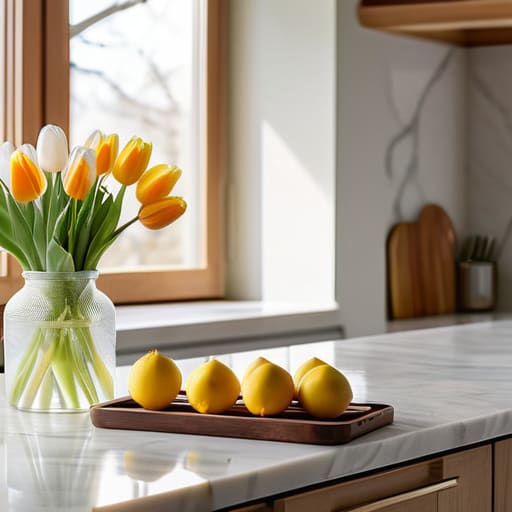
Don’t try to tackle the whole house in one marathon session; you’ll just end up burnt out and sitting on the floor surrounded by half-empty boxes. Instead, I swear by a realistic room by room cleaning guide that focuses on one zone at a time. Start with the kitchen—the heart of the chaos. Clear the counters, wipe down the appliances, and tackle that junk drawer that’s been mocking you for months. Once the surfaces are clear, the mental weight of the room just starts to lift.
Next, move to the living areas. This is where we focus on removing dust allergens from upholstery to actually make the air feel fresher, not just look cleaner. Use a vacuum attachment on the sofas and throw pillows before you even think about dusting the shelves. When you move into the bedrooms, keep it simple: fresh linens, clear nightstands, and a quick sweep under the bed. If you stick to this granular approach, you aren’t just cleaning; you’re reclaiming your space without the typical spring-cleaning meltdown.
Five Small Wins to Keep the Chaos at Bay
- Don’t aim for perfection; aim for progress. If you only have fifteen minutes before the kids get home or a meeting starts, pick one single shelf or one junk drawer. Completing one small task is infinitely better than staring at a whole room and feeling paralyzed.
- Audit your “maybe” pile. We all have that one box of stuff we’re “keeping for now,” but let’s be honest—if you haven’t touched it in two years, it’s just taking up mental real estate. If it doesn’t serve a purpose or bring you genuine joy, donate it.
- Tackle the stuff you can’t see. We spend so much time wiping down counters that we forget the things that actually collect grit—like the tops of door frames, baseboards, and the tracks of your sliding glass doors. A quick vacuum with the brush attachment makes a world of difference.
- Use the “One-In, One-Out” rule to prevent the clutter from creeping back. If you bring a new piece of decor or a new kitchen gadget into the house, something old has to go. It keeps the momentum of your cleaning from stalling out two weeks later.
- Check your hardware while you’re at it. Since I’m already deep in cleaning mode, I always check for loose cabinet handles or squeaky hinges. It’s much easier to tighten a screw now than to deal with a broken hinge three months down the road when you’re too busy to care.
Three Things to Remember When the Mess Feels Overwhelming
Don’t aim for perfection; aim for progress. I’ve learned that a single organized drawer is worth more than a half-finished whole-house deep clean that leaves you exhausted and defeated.
Use the “one-in, one-out” rule to keep the clutter from creeping back in. If you bring a new piece of decor or a new kitchen gadget into your home, something else has to go.
Keep your momentum by working in short, timed bursts. Set a timer for twenty minutes, tackle one specific task, and then walk away—it stops the mental fatigue before it starts.
Done is Better Than Perfect
Look, I know how it feels to stare at a mounting pile of laundry or a kitchen junk drawer that has essentially become its own ecosystem. It’s overwhelming. But if you’ve followed along, you’ve seen that the secret isn’t about hiring a professional crew or buying every gadget on the market; it’s about the incremental progress. We tackled the decluttering, moved through the rooms with a realistic plan, and focused on the tasks that actually move the needle. By breaking the chaos down into manageable chunks, you’ve already done the hardest part. Remember, the goal isn’t a showroom-perfect house that no one is allowed to touch; it’s about creating a space that actually serves your life instead of adding to your mental load.
As you put your cleaning supplies back in the cupboard and finally see your floor again, take a second to breathe. That feeling of lightness you’re experiencing? That’s the real win. Spring cleaning shouldn’t be a seasonal punishment; it’s a way to reset your environment so you can focus on what truly matters. Don’t let the pursuit of perfection stall your momentum. If you only got through one drawer today, you still won. Now, grab a cup of coffee, sit in your clean space, and enjoy the quiet. You’ve earned it.
Frequently Asked Questions
I don't have a lot of free time; how do I tackle this without losing my entire weekend?
Look, I get it. Between my freelance clients and the kids’ schedules, I don’t have the luxury of a “cleaning weekend” either. Don’t try to do it all at once; that’s how you burn out by noon on Saturday. Instead, use the “20-minute sprint” method. Set a timer, pick one specific zone—like the junk drawer or the coffee station—and stop when it rings. Small, consistent wins beat a marathon of exhaustion every single time.
How do I know when to actually get rid of something versus just cleaning it up?
Here’s the rule I live by: if you’re spending more energy trying to clean it than the item is actually worth to your life, let it go. I used to hold onto stained vintage finds thinking I’d eventually fix them, but that’s just clutter masquerading as potential. If it’s broken, unfixable, or hasn’t seen the light of day in a year, don’t clean it. Just toss it. Clear the space first; the peace of mind is worth more.
What are the absolute must-have supplies so I'm not running to the store every twenty minutes?
Look, nothing kills my momentum like having to jump back in the car because I ran out of glass cleaner. To keep your flow, grab a sturdy utility caddy and fill it with the essentials: microfibre cloths (get a pack, you’ll need them), a high-quality all-purpose cleaner, white vinegar, baking soda, a scrub brush, and a vacuum with attachments. If you have those on hand, you can tackle almost any mess without the mid-project grocery run.