Ways to Keep Your Kitchen Counters Clear and Organized

I used to think a messy kitchen was just the price you paid for a busy life, but after years of wrestling with mismatched Tupperware and a “junk drawer” that actually swallowed my keys, I realized something: chaos isn’t inevitable, it’s just unmanaged. We’ve all been there, standing in the middle of a cooking disaster, staring at a pantry that looks more like a landslide than a food storage area. Searching for effective kitchen organization ideas shouldn’t feel like a second job, yet we spend half our mornings just digging through the clutter to find a decent spatula. It’s exhausting, and frankly, it’s a massive drain on your mental energy.
I’m not here to suggest you buy a dozen expensive, color-coded acrylic bins that you’ll eventually just fill with more junk. Instead, I want to give you a few practical, no-nonsense wins that actually stick. In this post, I’m sharing five specific strategies I’ve used to turn my own kitchen from a high-stress zone into a functional workspace. We’re going to focus on high-impact moves that reclaim your counter space and, more importantly, reduce your daily mental load. Let’s get to work.
Table of Contents
Conquer the Junk Drawer Once and For All
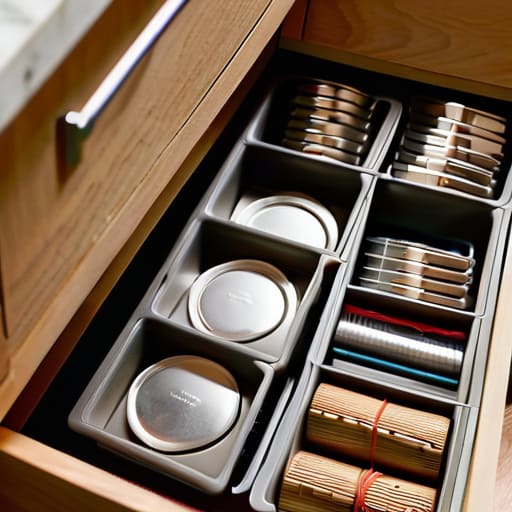
We all have one—that one drawer that has become a graveyard for dead batteries, takeout menus, and loose rubber bands. I used to think it was just a part of life, but honestly, it’s a micro-stressor that adds up every time I reach for a pen and pull out a tangled mess instead. The trick isn’t to just shove things back in; it’s to commit to a clear-out session where you actually touch every single item.
Master Your Pantry with Zone Logic
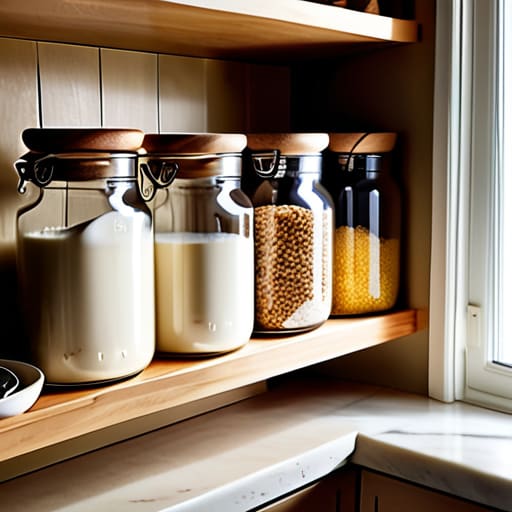
Most people organize their pantries by what fits, which is exactly why they end up with a mountain of expired pasta in the back corner. I learned the hard way that you need to organize by usage patterns rather than just size. Group your items into logical zones: a baking station, a breakfast nook, and a quick-snack zone for the kids. This way, when you’re mid-recipe, you aren’t hunting through flour to find the baking powder.
Stop Fighting Your Cabinet Chaos
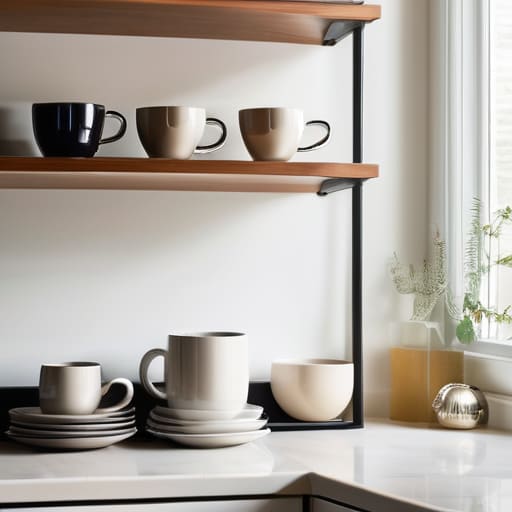
There is nothing more frustrating than pulling a stack of plates out of a bottom cabinet only to have the whole thing come crashing down like a game of Jenga. If your cabinets feel like a structural hazard, it’s time to invest in some shelf risers. These little metal or plastic steps allow you to utilize the vertical space that usually goes to waste, giving your mugs and bowls their own dedicated levels.
Clear the Counters to Clear Your Mind
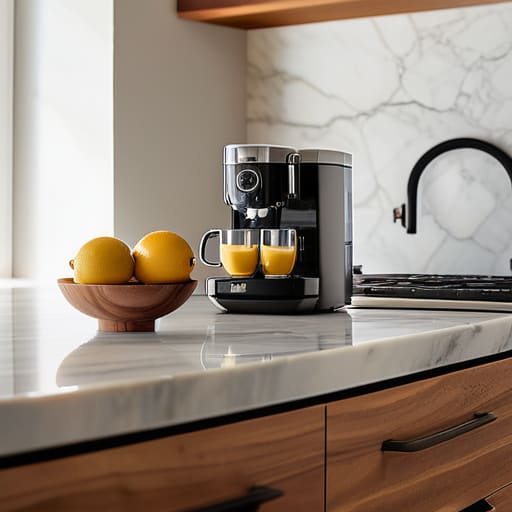
I used to think a kitchen filled with every gadget I owned looked “lived-in,” but really, it just looked overwhelming. Every appliance sitting on your counter is a visual cue that there is work to be done. My rule of thumb is simple: if you don’t use it every single day, it shouldn’t be taking up prime real estate on your workspace.
Optimize Your Spice Situation
Let’s be honest, the spice cabinet is usually a disaster zone of half-empty jars and labels that have peeled off. There is nothing worse than being halfway through a recipe and realizing your cumin is actually just dried oregano. I suggest moving away from the deep, dark cabinet approach and opting for a tiered spice rack or a drawer insert. Being able to see every label at once is worth its weight in gold.
Small Wins, Big Relief
Don’t try to overhaul the whole kitchen in one weekend; pick one drawer or one shelf at a time to avoid burnout.
Focus on functionality over aesthetics—if a container looks pretty but makes cooking harder, get rid of it.
Use your tools to fight the mental load by giving every single item a permanent “home” so you stop searching for things mid-recipe.
Reclaiming Your Kitchen Space
At the end of the day, organizing your kitchen isn’t about achieving some Pinterest-perfect aesthetic that looks good in a photo but fails in real life. It’s about the practical stuff: clearing out those expired spices, grouping your baking supplies so you aren’t hunting for flour at midnight, and finally giving your heavy appliances a permanent home. When you tackle these small, manageable shifts—like using clear bins or designating a specific spot for the mail—you aren’t just tidying up; you are reducing your daily mental load. It’s about making sure that when you walk into the room to make coffee or prep dinner, the space works for you instead of against you.
Don’t feel like you have to overhaul the entire pantry and every single cabinet in one single weekend. That is a one-way ticket to burnout, and frankly, we have better things to do with our Saturdays. Just pick one drawer or one corner of the counter and start there. Those small, incremental wins are what actually lead to lasting change. Remember, a functional home isn’t built overnight; it’s built through intentional, small actions taken one step at a time. Now, grab your notebook, pick a spot, and let’s just get it done.
Frequently Asked Questions
I don't have a huge pantry; how can I make these ideas work in a tiny apartment kitchen?
Look, I’ve lived in small spaces, and I know the panic of a cramped pantry. When you don’t have square footage, you have to stop thinking horizontally and start thinking vertically. Use stackable clear bins to reclaim lost height, and get some magnetic strips for your knives or spice tins to free up precious counter space. If it doesn’t have a vertical home, it’s just clutter. Don’t fight the small footprint; work with it.
How do I decide which items are actually worth keeping and which ones are just taking up valuable real estate?
Look, I’ve been there—staring at a cabinet full of “just in case” gadgets. Here’s my rule of thumb: if you haven’t touched it in a year, it’s not an asset; it’s clutter. Ask yourself, “If I needed this tomorrow, could I replace it for under twenty bucks in under twenty minutes?” If the answer is yes, let it go. Don’t let precious shelf space be held hostage by items you’re only keeping out of guilt.
What's the best way to keep these systems from falling apart again after a busy week of cooking and cleaning?
Look, I’ve been there. You spend a whole Sunday perfecting your pantry, only to have it look like a tornado hit it by Thursday. The trick isn’t more containers; it’s the “one-minute reset.” Before you sit down for the night, spend sixty seconds putting things back where they actually belong. If a system is too hard to maintain when you’re exhausted, it’s a bad system. Simplify the rules so they actually work for your real life.