Best Practices for Storing Food to Keep It Fresh

I was staring at a bag of slimy, forgotten spinach last Tuesday—the kind that turns into green sludge in the back of the crisper drawer—and I realized I was doing it again. We’ve all been there: you buy fresh produce with the best intentions, only to watch it turn into a science experiment because you didn’t know exactly how to store food properly. I’m so tired of the “lifestyle influencers” telling you that you need a $500 vacuum-sealer or a specific set of designer glass canisters just to keep a bell pepper crisp. Honestly, most of that advice is just expensive noise that adds more clutter to your counters instead of solving the actual problem.
I’m not here to sell you a subscription to a fancy organization system or a cabinet full of gadgets you’ll never use. My goal is to give you the straight-talking, practical wins that actually work in a busy, real-life kitchen. I’m going to walk you through the simple, no-nonsense habits that will keep your groceries fresh, save you money on your weekly shop, and finally reduce the mental load of wondering what’s actually edible in your fridge. Let’s stop wasting good food and just get organized.
Table of Contents
Smart Refrigerator Organization Tips for Less Spoilage
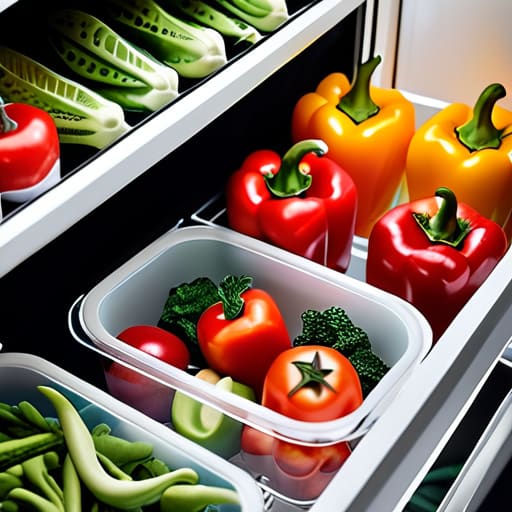
First things first: stop treating your fridge like a junk drawer. I used to shove everything in wherever it fit, only to find a science experiment lurking behind a jar of pickles three weeks later. To actually see what you have, you need to implement some basic refrigerator organization tips that prioritize visibility. I like to group things by category—dairy in one spot, condiments in another—and use clear bins for loose produce. If you can’t see it, you won’t eat it, and that’s just money down the drain.
The temperature in your fridge isn’t uniform, either. I’ve learned the hard way that keeping meat on the top shelf is a recipe for disaster. Keep your perishables on the lower shelves where it’s consistently coldest, which is a huge part of preventing food spoilage before it starts. Also, don’t be afraid to lean into the airtight container benefits; transferring leftovers from flimsy plastic wrap into solid glass containers keeps things fresh longer and stops that weird “fridge smell” from taking over your entire kitchen.
Mastering Pantry Staples Shelf Life Without the Stress
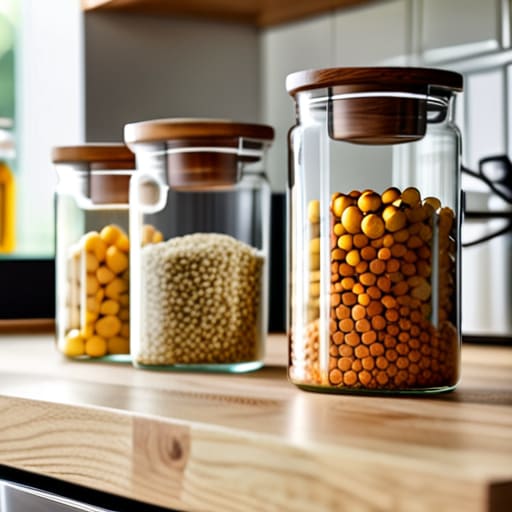
If your pantry looks like a graveyard for half-empty bags of flour and expired pasta, you aren’t alone. I used to treat my pantry like a “set it and forget it” zone, only to realize I was throwing money in the trash every time I did a grocery run. To get a handle on pantry staples shelf life, you have to stop treating everything like it’s indestructible. The biggest culprit is usually air. Once you crack open a bag of rice or crackers, the clock starts ticking. This is where the airtight container benefits really shine; transferring those open bags into glass or BPA-free plastic jars doesn’t just look cleaner—it actually keeps things crisp and prevents those dreaded pantry moths from moving in.
I also highly recommend a “First In, First Out” system. It sounds like corporate jargon, but it’s just common sense. When you bring home new cans or boxes, push the older ones to the front. It’s a small habit that makes a massive difference in preventing food spoilage before it even starts. If you can’t see it, you won’t eat it, and you definitely won’t remember it’s there.
Five Quick Wins to Keep Your Groceries Fresh
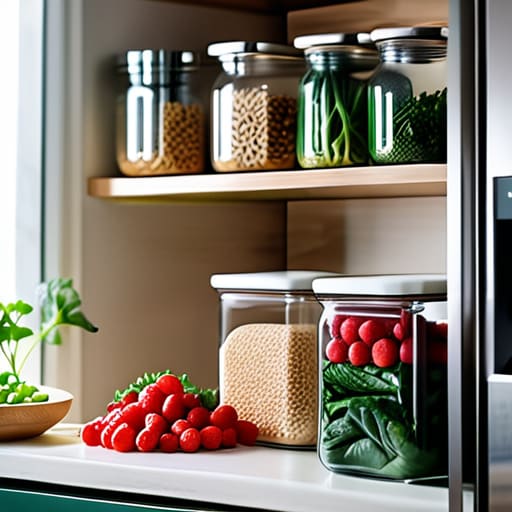
- Stop washing your berries the second you get home. Moisture is the enemy of freshness, so keep them dry in the fridge and only wash them right before you’re ready to eat them.
- Grab a stack of airtight glass or BPA-free containers. If you leave leftovers in open bowls or flimsy plastic wrap, you’re just inviting them to go bad by tomorrow morning.
- Treat your herbs like a bouquet. Instead of tossing them in the crisper drawer to wilt, trim the stems and stand them up in a small jar of water in the fridge—it makes a world of difference.
- Use the “First In, First Out” rule I learned back in my project management days. When you get new groceries, move the older stuff to the front of the shelf so you actually use it before it expires.
- Don’t be afraid to use your freezer. If you realize you aren’t going to get to that loaf of bread or that extra pound of ground beef before it turns, freeze it immediately. It’s much better than throwing money in the trash.
The Bottom Line: Three Quick Wins for Your Kitchen
Stop treating your fridge like a black hole; use clear containers and keep the high-use items front and center so nothing gets lost in the back.
Invest in a few good airtight bins for your pantry staples to keep moisture out and prevent those expensive bags of flour or pasta from going stale.
Make a habit of the “one-in, one-out” rule and check your expiration dates once a week to keep the clutter—and the waste—to a minimum.
Getting It Done
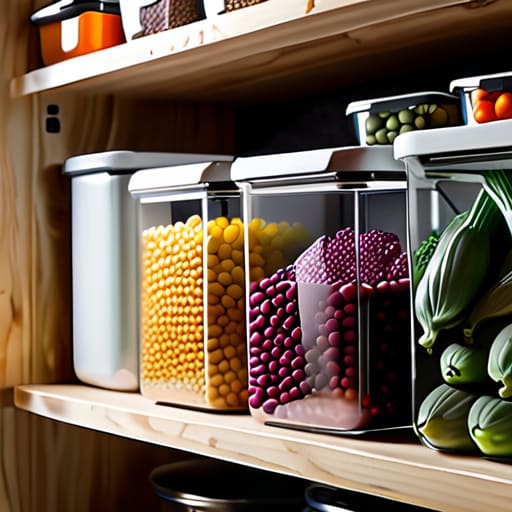
At the end of the day, storing your food properly isn’t about achieving some Pinterest-perfect aesthetic; it’s about making sure you aren’t throwing money in the trash every Sunday night. By getting your fridge zones sorted and keeping your pantry staples in airtight containers, you’re essentially removing the guesswork from your meal planning. Whether it’s grouping your produce to prevent wilting or rotating your dry goods so nothing gets buried in the back, these small adjustments significantly reduce the mental load of “what’s for dinner?” We’ve covered the basics, so now it’s just about consistent execution.
I know it can feel like just one more thing on an already overflowing to-do list, but I promise you, the payoff is worth the initial effort. When your kitchen is organized and your ingredients are fresh, you stop reacting to chaos and start moving with intention. You’ll save money, cut down on waste, and—most importantly—give yourself a little more breathing room in your daily routine. So, grab those containers, clear out that one mystery jar in the back of the fridge, and just start small. You’ve got this.
Frequently Asked Questions
How do I know if my produce is actually still good to eat or if it’s just looking a little sad?
Look, I’ve been there—staring at a slightly soft peach or a limp bunch of kale, wondering if I’m about to risk food poisoning. Here’s my rule of thumb: trust your senses, not just your eyes. If it smells sour, fermented, or just “off,” toss it. If it’s slimy or has fuzzy mold, it’s gone. But if it’s just a little wilted? Give it an ice bath or toss it in a smoothie.
Are there specific items I should never keep in the fridge together to avoid everything smelling weird?
Listen, there’s nothing worse than opening the fridge only to be hit with a scent that lingers for hours. To avoid that, keep your “aromatics” separate. Never store open onions, garlic, or strong cheeses right next to dairy like milk or butter—they’ll soak up those smells like a sponge. Also, keep your raw proteins tucked away in sealed containers on the bottom shelf, far from anything you’re eating raw, like fruit or leftovers.
Is it worth the extra effort to prep and freeze meals, or am I just adding more work to my plate?
Look, I get it. On a Tuesday afternoon when the kids are asking for snacks and your brain is fried, prepping extra meals feels like just another chore on an endless list. But here’s the truth from someone who’s lived through the chaos: it’s an investment, not just more work. You’re trading a little bit of focused effort now for a massive reduction in mental load later. When life hits the fan, you’ll be glad you have a win waiting in the freezer.