Pro Secrets for Speeding Up Your House Cleaning

I don’t know who needs to hear this, but you do not need a twenty-piece specialized cleaning kit or a subscription to some high-end lifestyle magazine to get your house in order. Honestly, the idea that you need a different chemical for every square inch of your home is just expensive noise that adds more clutter to your cabinets. I spent years in corporate project management learning how to strip away the fluff to find the actual engine of a process, and cleaning is no different. If you’re looking for a way to learn how to clean faster without spending a fortune on “miracle” sprays that barely work, you’re in the right place.
I’m not here to sell you a dream of a Pinterest-perfect life that requires constant maintenance; I’m here to give you the small, actionable wins that actually work in a real, lived-in home. We are going to skip the fluff and focus on high-impact habits and streamlined systems that respect your time. My goal is to help you stop the endless cycle of scrubbing and start living in a space that feels functional and calm again. Let’s just get it done.
Table of Contents
Decluttering for Speed Clearing the Path to a Functional Home

Look, you can’t clean a space that is constantly fighting you. I’ve learned the hard way—usually while staring at a mountain of mail or a pile of laundry on my dining table—that you can’t polish your way out of a mess. If your surfaces are buried under “stuff,” you aren’t actually cleaning; you’re just moving piles around. True decluttering for speed starts with realizing that every single item you own is a potential obstacle. If it doesn’t have a designated home, it’s just noise.
My rule of thumb is simple: if you haven’t touched it in six months, it’s taking up valuable mental real estate. I keep a small basket in every room to catch the “homeless” items, but the real win comes from a ruthless edit of your daily surfaces. When you clear the visual clutter first, you create a blank canvas. This makes your time-saving cleaning routine actually work because you’re finally wiping down actual counters instead of dodging knick-knacks. Stop managing the chaos and start removing it.
Minimalist Cleaning Methods That Actually Get the Job Done
Once you’ve cleared the surface clutter, it’s time to stop treating cleaning like a marathon and start treating it like a sprint. I used to spend my entire Saturday scrubbing every inch of the house, only to feel burnt out by noon. Now, I rely on minimalist cleaning methods that focus on impact rather than perfection. Instead of moving from room to room with a different spray for every surface, I keep a single, versatile microfiber cloth and one reliable, all-purpose cleaner nearby. Reducing the number of tools you have to lug around is one of the best cleaning efficiency hacks there is.
The real secret, though, is working in zones. Don’t try to tackle the whole kitchen at once; just clear the counters, wipe the sink, and move on. By narrowing your focus, you prevent that “where do I even start?” paralysis that kills momentum. If you implement a simple time-saving cleaning routine—like wiping down the bathroom vanity while you’re already brushing your teeth—you’ll find that the deep cleans become much less daunting. It’s about consistency over intensity, every single time.
Five Small Wins to Cut Your Cleaning Time in Half
- Stop the “wandering eye” syndrome. When you’re cleaning a room, stay in that room. I used to walk into the kitchen to wipe a counter, see a stray mail pile, and end up reorganizing the entire junk drawer. That’s not cleaning; that’s a distraction. Finish the task at hand before you move to the next zone.
- Batch your tools like a pro. There is nothing more frustrating than scrubbing a sink, realizing you’re out of spray, and trekking all the way to the laundry room. Keep a small “caddy” of essentials—all-purpose cleaner, a microfiber cloth, and a scrub brush—right where you need them so you aren’t constantly playing tag with your supplies.
- Use the “Top-Down” rule every single time. It sounds basic, but if you vacuum the floor first and then dust the coffee table, you’re just making yourself work twice as hard when the dust falls back down. Start with the ceiling fans and shelves, work your way down to the baseboards, and save the floors for the very last step.
- Set a timer and gamify the chaos. If I feel myself stalling, I grab my phone, set a timer for fifteen minutes, and tell myself I’m just going to see how much I can knock out before it dings. It turns a daunting chore into a sprint, and usually, once the momentum starts, I don’t even want to stop.
- The “One-Touch” rule for daily maintenance. If you pick something up, put it where it actually belongs instead of setting it down on a “temporary” surface. If you take off your coat, hang it up immediately. It takes three seconds now, but it saves you thirty minutes of frantic tidying on Saturday morning.
The Bottom Line: How to Stop Cleaning and Start Living
Stop aiming for perfection; aim for “done.” A quick wipe-down of the counters is a win, and it’s better than spending an hour scrubbing a sink while the rest of the house falls apart.
Work with your environment, not against it. If you have to hunt for the glass cleaner every single time, you’ve already lost the battle. Keep your tools where the work happens.
Use momentum to your advantage. Set a timer for fifteen minutes and tackle one specific zone. It’s much easier to keep going once you’ve actually started.
Done is Better Than Perfect
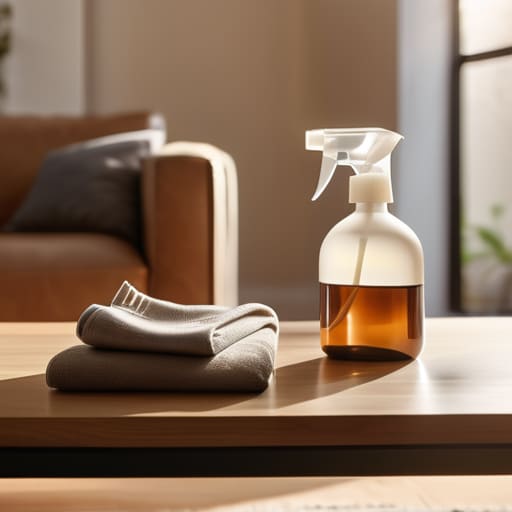
At the end of the day, cleaning faster isn’t about finding some magic spray that does the work for you; it’s about the systems you put in place. We’ve talked about how decluttering clears the physical and mental path, and how sticking to minimalist, focused methods prevents you from spinning your wheels. Remember, the goal isn’t to achieve a showroom-ready museum every single night. It’s about reducing the friction of daily life so you aren’t spending your entire evening scrubbing baseboards. Focus on the high-impact areas, keep your tools accessible, and stop letting the small stuff stall your progress.
I know how it feels when the laundry pile starts looking like a mountain and the kitchen counters feel like a battlefield. It’s overwhelming, and it’s easy to freeze up. But I promise you, the momentum starts with that first small win—even if it’s just clearing one single surface or setting a timer for ten minutes. Don’t aim for perfection; aim for functional peace. Once you reclaim your space, you reclaim your time, and that is where the real magic happens. Now, grab your notebook, pick one small task, and just get it done.
Frequently Asked Questions
How do I stop myself from getting distracted by old photos or knick-knacks when I'm trying to move quickly through a room?
I call this the “Sentiment Trap,” and trust me, I’ve fallen for it more times than I’d like to admit. When I’m on a mission, I use the “Box and Move” method. If I pick up a photo or a trinket that makes me want to sit down and reminisce, I don’t look at it. I put it straight into a designated “Later” bin. Deal with the memories when the room is actually clean.
Is it actually worth setting up a strict cleaning schedule, or does that just add more mental load to my plate?
Look, I’ll be straight with you: a rigid, minute-by-minute schedule is just another thing to fail at, and that’s exactly how mental load grows. Don’t do that to yourself. Instead, aim for “rhythm” rather than a rulebook. Pick three non-negotiable daily habits—like clearing the kitchen counters before bed—and let the rest be flexible. We want systems that serve us, not checklists that make us feel guilty when life happens.
What are the absolute must-have tools that actually save time versus the gadgets that are just a waste of counter space?
Look, I’ve seen enough “as-seen-on-TV” gadgets gather dust in my kitchen to know what works. Skip the specialized scrubbers; they’re just more things to wash. Stick to the essentials: a high-quality microfiber cloth, a solid all-purpose cleaner, a sturdy scrub brush, and a cordless vacuum. If a tool doesn’t serve at least three different tasks, it’s just clutter. Invest in quality basics that do the heavy lifting so you can get back to your life.