How to Season and Cook Vegetables for Maximum Flavor

I’m going to be blunt: most of the advice you find online about how to cook vegetables is a complete waste of your time. You don’t need a culinary degree, a set of expensive Japanese steel knives, or a twenty-minute lecture on “flavor profiles” just to get some broccoli into your system. I spent years in the corporate world managing complex projects, and if there’s one thing I learned, it’s that overcomplicating the basics is the fastest way to burn out. When I’m staring at a pile of wilted kale after a long day of freelance consulting, the last thing I want to do is follow a recipe that requires three different types of artisanal oils and a sous vide machine.
I’m not here to teach you how to be a Michelin-star chef; I’m here to help you get dinner on the table without the mental load. I want to show you the streamlined, pragmatic ways to prep and cook your greens so they actually taste good and don’t add an hour of cleanup to your evening. We’re going to focus on simple, repeatable wins that work for real life—no fluff, no expensive gadgets, just straightforward methods that turn a chaotic kitchen into a functional one.
Table of Contents
The Best Vegetable Cooking Methods for Busy Nights
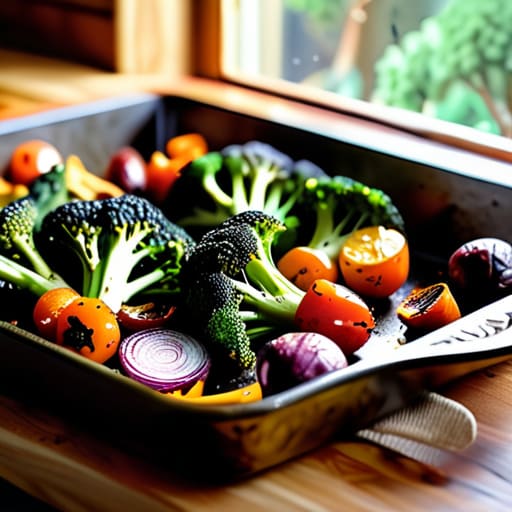
When the clock hits 6:00 PM and the kids are asking what’s for dinner, you don’t have time for a culinary masterclass. For me, the goal is efficiency without sacrificing quality. If I’m looking for the fastest route, I lean heavily on roasting vegetables in a hot oven. Just toss whatever is in the crisper drawer with a bit of olive oil and salt, spread them on a sheet pan, and let the oven do the heavy lifting while I tackle the rest of the evening chaos. It’s one of my favorite quick vegetable side dishes because it requires almost zero active supervision.
However, if you’re trying to maximize your time and keep things light, you might find yourself weighing steaming vs roasting vegetables. Steaming is faster and better for retaining nutrients in vegetables, making it my go-to for broccoli or leafy greens when I need something done in under five minutes. The trick to making steamed veggies taste like something other than wet cardboard is all in the finish; don’t skip the seasoning vegetables for flavor step. A quick squeeze of lemon or a sprinkle of red pepper flakes makes all the difference.
Healthy Vegetable Preparation Tips for a Functional Kitchen
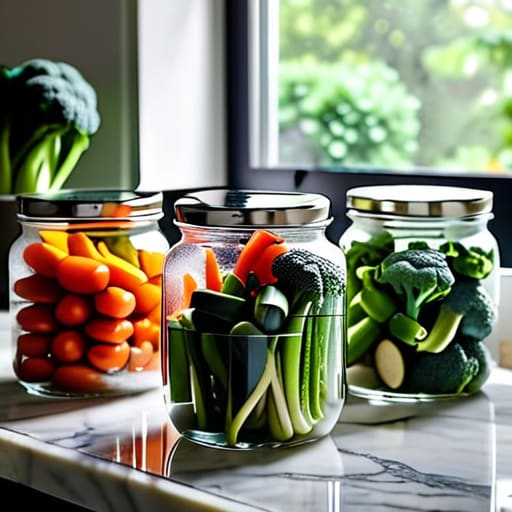
If you want to stop the cycle of ordering takeout because you’re too tired to face a pile of raw produce, you need to change how you approach the prep work. I’ve learned through years of juggling project deadlines and teenage schedules that the secret isn’t complex recipes; it’s about retaining nutrients in vegetables while making the process as frictionless as possible. Instead of waiting until you’re hungry to start peeling and chopping, I keep a batch of pre-washed, roughly chopped veggies in the fridge. It takes twenty minutes on a Sunday, but it saves you an hour of decision fatigue on a Tuesday night.
When it comes to the actual cooking, don’t get bogged down in the debate of steaming vs roasting vegetables. If you want speed and minimal cleanup, steaming is your best friend. But if you have an extra ten minutes to spare, roasting provides that caramelized flavor that actually makes you want to eat your greens. Regardless of the method, remember that seasoning vegetables for flavor is where the magic happens. A little high-quality olive oil, some flaky sea salt, and perhaps a squeeze of lemon can turn a boring side into something that feels intentional rather than an afterthought.
My Five Non-Negotiable Rules for Actually Eating Your Greens
- Stop trying to cook everything from scratch every single night. I’ve learned the hard way that roasting a massive tray of seasonal veggies on Sunday makes my Tuesday-night brain much happier. Having those pre-cooked, seasoned pieces in the fridge is a lifesaver when the schedule goes sideways.
- Invest in a decent chef’s knife and actually keep it sharp. There is nothing more frustrating—or dangerous—than trying to hack through a stubborn butternut squash with a dull blade when you’re already running ten minutes late for soccer practice.
- Don’t fear the salt and the fat. If you’re eating plain, steamed broccoli that tastes like wet cardboard, you’re going to give up on the healthy habit by Wednesday. A little olive oil, a squeeze of lemon, or a sprinkle of flaky salt makes the difference between a chore and a meal.
- Master the “one-pan” mindset. If you can toss your peppers, onions, and zucchini on a single sheet pan with some protein, you’ve just saved yourself twenty minutes of cleanup. I don’t have the mental bandwidth for a sink full of pots every evening.
- Keep your prep simple. You don’t need a culinary degree or a dozen different chopping techniques. Whether it’s a rough chop or a dice, just get the vegetables into manageable pieces so they cook evenly and you can get to the eating part of the evening.
The Bottom Line: Making it Work
Stop aiming for culinary perfection; your goal is simply to get nutritious food into your body without turning your kitchen into a disaster zone.
Build a rotation of reliable, low-effort methods—like sheet pan roasting or quick steaming—so you aren’t reinventing the wheel every single night.
Prep smarter, not harder, by using your downtime to chop ahead or keep your tools organized so the actual cooking feels like a breeze rather than a chore.
Bringing It All Together
At the end of the day, cooking vegetables doesn’t need to be a high-stakes culinary performance or a massive time sink. Whether you’re choosing a quick sauté for a Tuesday night rush or prepping a big batch of roasted roots to use throughout the week, the goal is the same: efficiency and nutrition. We’ve covered how to pick the right methods for your schedule and how to set up your kitchen so you aren’t fighting your tools every time you turn on the stove. Remember, it’s not about being a gourmet chef; it’s about reducing the friction between a hungry family and a healthy meal. Keep your prep simple, your tools ready, and your expectations realistic.
I know how easy it is to let the mental load of “what’s for dinner” weigh you down, especially when you’re already juggling a million other things. But once you master these basic, functional habits, you’ll find that feeding yourself well becomes just another seamless part of your routine rather than another chore on the list. Don’t aim for perfection—aim for consistency and ease. Grab those veggies, get them in the pan, and reclaim your evening. You’ve got this, and honestly, your future, less-stressed self will thank you for it.
Frequently Asked Questions
How do I keep my vegetables from turning into a mushy mess when I'm multitasking?
The secret is timing and heat management. If you’re juggling three things at once, stop trying to cook everything in one giant pot. Use high heat for quick sautés to lock in that crunch, or better yet, roast them on a sheet pan in the oven. That way, they cook hands-free while you handle the rest. If things are getting frantic, pull the pan out early; carryover cooking will finish the job without the mush.
What are some ways to prep my veggies on Sunday so I'm not chopping every single night?
Look, the secret to surviving a hectic week isn’t a fancy meal plan; it’s just doing the heavy lifting once. On Sunday, I grab my largest container and chop up the “hard” stuff—carrots, broccoli, or cauliflower—and keep them in airtight bins. For greens, wash and dry them immediately so they’re grab-and-go. If you’re prepping onions or peppers, keep them in separate containers to avoid that weird lingering smell. Just get it done.
I'm tired of everything tasting bland—how do I actually season them without making them unhealthy?
Look, I get it. Eating “healthy” shouldn’t feel like a punishment of boiled, tasteless mush. If your veggies are bland, you’re probably overthinking the salt and underestimating the aromatics. Forget the heavy butter; instead, lean on high-quality olive oil, fresh garlic, and a heavy hand with dried herbs like oregano or smoked paprika. A squeeze of lemon juice at the very end does more for flavor than a teaspoon of salt ever could.