How to Set Up a Drop Zone to Stop Losing Your Essentials
I walked into my mudroom last Tuesday, tripped over a stray sneaker, and nearly sent my coffee flying into a pile of unopened mail. It was one of those moments where you realize your “system” is actually just a slow-motion landslide of clutter. We’ve all been sold this idea that home entry organization requires a massive renovation or a collection of expensive, aesthetic wicker baskets that look great on Instagram but hold absolutely nothing. Honestly, that’s just more mental load we don’t need. If your entryway feels like a hurdle you have to jump over every time you come home, you don’t need a designer; you need a functional plan.
I’m not here to sell you on a lifestyle makeover or some complicated filing system that takes three hours to maintain. Instead, I’m going to give you the exact, no-nonsense tactics I use to keep my own household from descending into chaos. We’re going to focus on small, actionable wins—the kind of quick fixes that actually stick because they respect your time and your sanity. Let’s stop overcomplicating the transition from the car to the couch and just get it done.
Table of Contents
Smart Mudroom Storage Solutions for Real Life
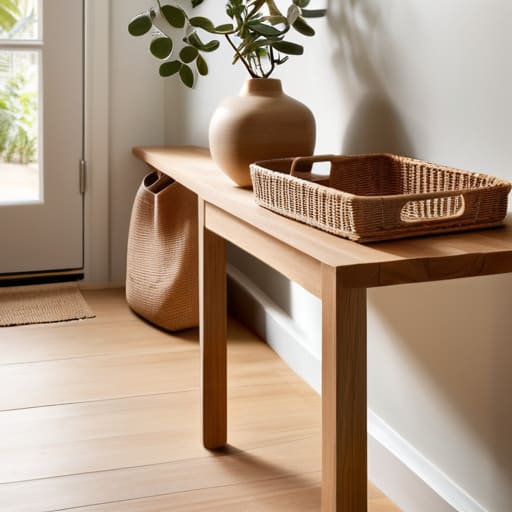
If you’re working with a tight footprint, don’t feel like you need a massive built-in unit to make it work. I’ve learned through years of managing both projects and a busy household that vertical space is your best friend. Instead of letting everything sprawl across the floor, look for slim entryway furniture for small spaces—think a narrow console table or a wall-mounted bench with cubbies underneath. It keeps the visual noise down and gives every kid’s backpack a designated “parking spot” so they aren’t landing in a heap on the floor.
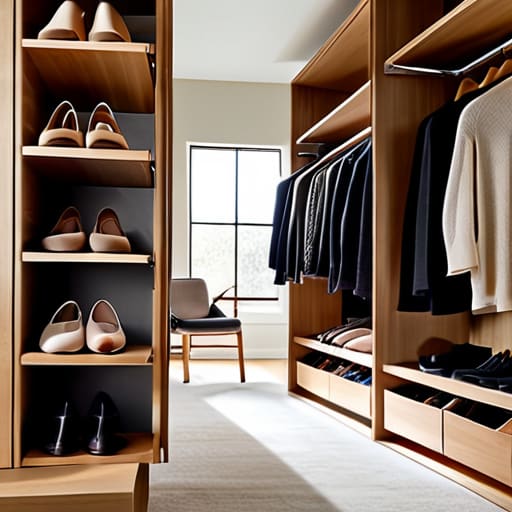
When it comes to the actual gear, you need to get aggressive about organizing entryway clutter before it migrates into the rest of your house. I’m a huge fan of using sturdy, uniform baskets for things like gloves, leashes, or umbrellas; it hides the visual chaos while keeping everything within arm’s reach. For the heavy hitters, a dedicated piece of entryway shoe storage—like a closed cabinet or a simple tiered rack—is non-negotiable. If you can see the mess, you’ll feel the stress, so let’s just tuck it away and move on with our day.
Winning Strategies for Organizing Entryway Clutter Fast
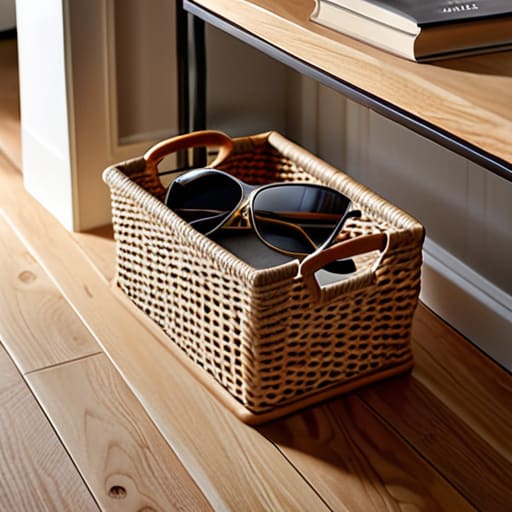
Look, I don’t have time for a week-long decluttering project, and neither do you. If you want to see immediate results, you have to start with a “one-in, one-out” rule for everything that hits the floor. Grab a sturdy basket or two and designate them specifically for things that don’t belong in the foyer—like stray mail, rogue charging cables, or those random kid accessories. By organizing entryway clutter into specific “transit bins,” you stop the pile-up before it even starts. It’s about creating a landing zone, not a dumping ground.
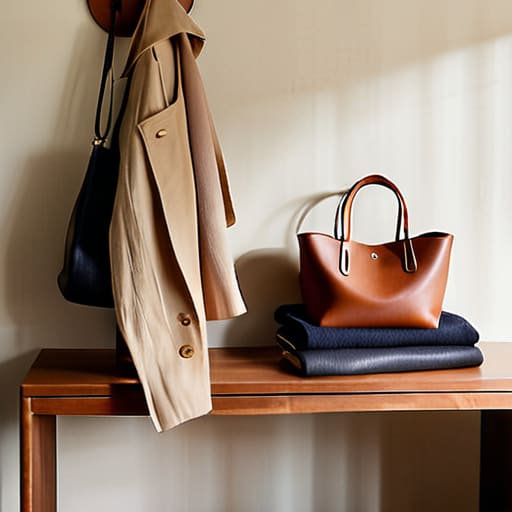
If you’re working with a tight floor plan, don’t try to force a massive bench into the hall. Instead, look for vertical solutions like wall-mounted hooks or slim console tables. Using entryway furniture for small spaces allows you to reclaim your floor area while still giving everyone a place to drop their keys. I always say: if it doesn’t have a dedicated home, it’s just future clutter. Get those hooks up, get the bins placed, and let’s get this sorted.
Five Small Wins to Keep the Chaos at Bay
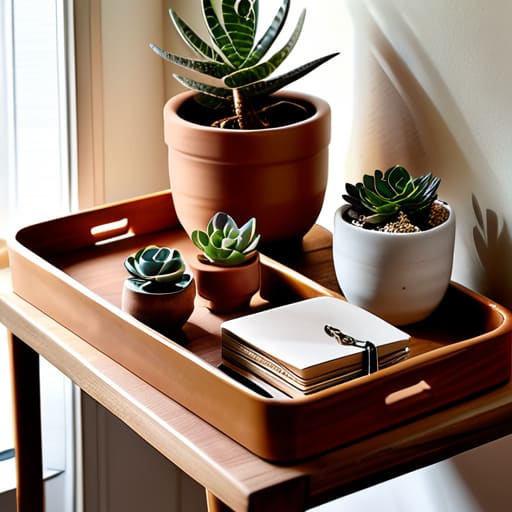
- Stop the mail pile before it starts. I keep a small, dedicated tray right by the door for incoming letters; if it doesn’t need immediate action, it goes in a “to process” folder, not on the entryway table.
- Assign a specific “landing pad” for every family member. Whether it’s a designated hook for your teen’s backpack or a specific basket for my husband’s keys, if everything has a home, nothing ends up on the floor.
- Use the “One-In, One-Out” rule for footwear. We all have those extra pairs of boots or sneakers that migrate to the entryway; if a new pair comes in, an old, worn-out pair needs to be donated or moved to deep storage.
- Invest in heavy-duty hooks, not flimsy ones. There is nothing more frustrating than a coat rack that gives up the second you hang up a heavy winter parka; get the sturdy stuff that actually holds the weight of real life.
- Keep a “Go-Bag” station ready. I keep a small bin with essentials like umbrellas, reusable shopping bags, and even a spare set of keys near the door so you aren’t frantically tearing the house apart five minutes before you need to leave.
The Bottom Line: Small Wins for a Better Entryway
Stop trying to organize everything at once; pick one high-traffic zone, like the shoe pile or the mail stack, and tackle it with a dedicated bin or hook today.
If a storage solution doesn’t work for your actual daily routine—like a fancy basket that’s too hard to clean out—toss it; functionality always beats aesthetics in a busy house.
Build a “launchpad” for your essentials so you aren’t hunting for keys or wallets ten minutes after you’re already late for work.
Getting It Done
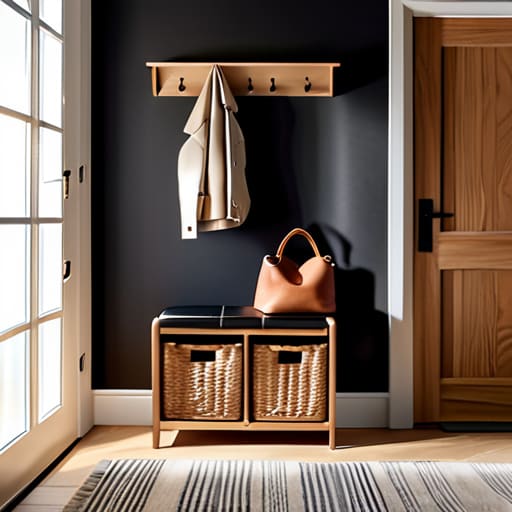
Look, we’ve covered a lot of ground, from setting up smart mudroom zones to tackling that mountain of mail that seems to multiply overnight. The main takeaway is this: you don’t need a massive renovation or a professional organizer on speed dial to make this work. You just need a few dedicated bins, some sturdy hooks, and the discipline to put things back where they belong the moment you walk through the door. Whether you’re investing in heavy-duty cubbies or just clearing off a single bench, the goal is to create a system that actually survives a Tuesday morning rush. Once you stop fighting the clutter and start assigning every item a home, the friction of leaving the house simply disappears.
At the end of the day, an organized entryway isn’t about having a Pinterest-perfect showroom; it’s about reclaiming your mental bandwidth. When I walk into my house and don’t immediately trip over a rogue sneaker or a pile of junk mail, I feel like I can actually breathe. It’s one less thing on my plate and one more small win for my sanity. Don’t feel like you have to fix everything by sunset. Just pick one corner, grab a basket, and start making small, intentional changes today. You’ll be surprised at how much lighter your whole life feels when you aren’t constantly tripping over the chaos.
Frequently Asked Questions
I have a tiny entryway with zero floor space; how can I organize it without making the whole house feel cramped?
If you’ve got zero floor space, stop looking down and start looking up. When the footprint is tiny, verticality is your best friend. I always tell my clients: if it can hang, it should. Install a slim wall-mounted rack for keys and mail, or use those heavy-duty command hooks for bags. A single, narrow floating shelf can hold your essentials without swallowing the hallway. Keep the floor clear, and the room will breathe.
What’s the best way to handle the "seasonal swap" so I'm not digging through heavy winter coats in the middle of July?
Don’t wait until the first frost to realize you can’t find your parka. I swear by the “One-In, One-Out” rule, but for seasonal swaps, I use vacuum seal bags for the heavy stuff—it saves so much shelf space. Group your off-season gear in labeled bins and tuck them into the top of a closet or under a bed. If it isn’t in your immediate rotation, it shouldn’t be taking up prime real estate.
How do I get my kids to actually stick to the new system instead of just dumping their backpacks on the floor again?
Look, I’ve been there. You set up the perfect system, and forty-eight hours later, it’s a graveyard of backpacks and hoodies. Here’s the truth: kids don’t care about your aesthetic; they care about what’s easy. If the hook is too high or the bin is too small, they’ll just drop the bag on the floor. Make it foolproof. Use low hooks, oversized bins, and—most importantly—don’t aim for perfection. Just aim for “off the floor.”