How to Turn Fridge Scraps Into a Delicious Soup
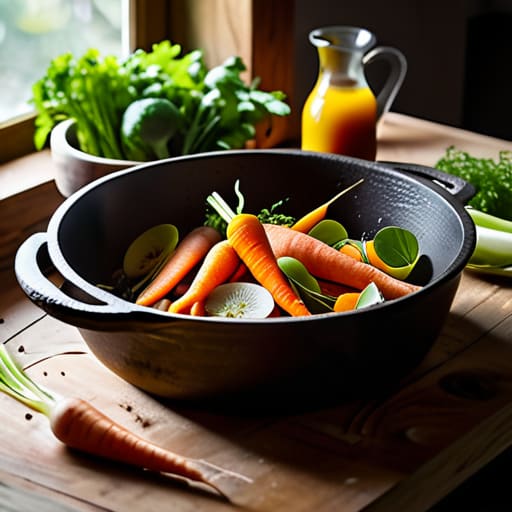
Look, I am so tired of seeing those “gourmet” recipes online that require twenty-seven specialty spices and a three-hour reduction process just to get a decent lunch. If you need a PhD in culinary arts and a massive grocery budget just to figure out how to make soup, then you aren’t cooking—you’re performing a chore. I’ve spent enough years managing complex projects to know that the best results usually come from streamlining the process, not adding more variables to the equation. You don’t need a sous-chef or a pantry full of rare saffron to make something that actually tastes like home.
I’m not here to give you a lecture or a list of ingredients you’ll use once and then let rot in the back of the fridge. Instead, I’m going to show you my no-nonsense framework for building a delicious, nourishing pot of soup using whatever you actually have on hand. We’re going to focus on the fundamentals—the aromatics, the liquid, and the simmer—so you can stop overthinking dinner and just get it done. Let’s get into it.
Table of Contents
Choosing Your Foundation Stock vs Broth for Soup
Before you even touch a knife to an onion, you need to decide on your liquid foundation. This is where most people get tripped up, but honestly, it’s a simple choice once you understand the difference between stock vs broth for soup. Think of stock as the heavy lifter; it’s usually made by simmering bones, which gives it a richer body and a bit of a gelatinous mouthfeel. If you’re aiming for a hearty stew or something that feels substantial, stock is your best friend.
Broth, on the other hand, is much lighter. It’s typically made from meat or vegetables and is much thinner. I usually reach for broth when I want something clean and bright, like a simple noodle soup, where I don’t want the liquid to mask the delicate flavors of the other ingredients. If you’re in a rush and using store-bought options, just check the label. A quick tip from my own kitchen: if your liquid tastes a little flat, don’t panic. You can always fix it later with some seasoning soup for depth using a splash of soy sauce or a squeeze of lemon.
The Essential Soup Ingredients You Actually Need
Once you’ve settled the stock vs broth debate, it’s time to look at what actually goes into the pot. I’ve learned through years of quick weeknight dinners that you don’t need a pantry full of exotic spices to make something delicious; you just need a solid foundation of aromatics. I always start with the “holy trinity”—onions, carrots, and celery. Sautéing these in a bit of butter or olive oil isn’t just a suggestion; it’s the secret to seasoning soup for depth before you even add your liquid. If you skip this step, your soup will taste thin and one-dimensional, no matter how much salt you throw in later.
Next, think about your textures. You need a protein or a hearty legume to make it feel like a real meal rather than just a warm liquid. Whether it’s shredded chicken, chickpeas, or even just extra hearty vegetables, these are your essential soup ingredients that provide the “staying power.” I like to keep a jar of dried herbs like thyme or oregano on hand for a quick flavor boost. Just remember: don’t go overboard too early. You can always add more, but you can’t take it back once it’s in there.
Five Small Wins for a Better Bowl
- Don’t skip the sauté. Before you add a drop of liquid, cook your onions, carrots, and celery in a bit of butter or oil until they’re soft. That little bit of browning at the start is where the actual flavor lives.
- Season as you go, not just at the end. If you wait until the soup is finished to add salt, you’ll end up with a flat-tasting broth. Add a tiny pinch after the veggies, another after the liquid, and one last time right before serving.
- Use your acid. If your soup tastes “heavy” or like it’s missing something even after you’ve salted it, don’t reach for more salt—reach for a squeeze of lemon or a teaspoon of apple cider vinegar. That brightness cuts through the richness and wakes everything up.
- Mind the texture. If you’re making a chunky vegetable soup, add your harder veggies (like potatoes or carrots) a few minutes before your leafy greens (like spinach or kale). There’s nothing worse than mushy greens and crunchy potatoes in the same spoonful.
- Keep a “flavor toolkit” in the pantry. You don’t need a gourmet pantry, but having a good jar of dried thyme, some garlic powder, and maybe a jar of better-than-average bouillon on hand means you can turn a mediocre pot of water into a real meal in ten minutes.
The Soup Strategy: My Three Golden Rules
Don’t get paralyzed by the recipe. Pick a base, grab whatever veggies are looking lonely in your crisper drawer, and start simmering.
Flavor is built in layers, not all at once. Sauté your aromatics first to create a foundation before you even think about adding the liquid.
Taste as you go. It sounds simple, but a pinch of salt or a squeeze of lemon at the very end is usually the difference between “okay” and “incredible.”
Get It Into the Pot
At the end of the day, making a great soup isn’t about following a rigid, intimidating recipe to the letter; it’s about understanding how your components work together. You’ve got your liquid foundation sorted, you know which aromatics will build that deep flavor profile, and you’ve identified the staples that turn a simple broth into a real meal. Whether you’re leaning on a high-quality store-bought stock to save time or sweating over a homemade version, the goal remains the same: build layers of flavor without letting the process overwhelm your evening. Once you have those basics down, you’ve already done the heavy lifting. Now, it’s just about letting the heat do the work while you step away from the stove for a minute.
Don’t let the fear of a “failed” batch keep you from even trying. If it’s too thin, simmer it longer; if it’s bland, reach for the salt or a squeeze of lemon. Cooking should be a way to reduce your mental load, not add to it. I’ve found that the most comforting meals aren’t always the most complex ones—they’re the ones made with intention and a little bit of common sense. So, grab your favorite heavy-bottomed pot, clear a little space on your counter, and just start cooking. You’ll find your rhythm, and I promise, a warm bowl of something you made yourself is always worth the effort.
Frequently Asked Questions
Can I use frozen vegetables instead of fresh ones, or will it ruin the texture?
Look, I’m all for any shortcut that saves me ten minutes of chopping, and frozen veggies are one of them. Will they change the texture? Sure. They’ll be softer than fresh, but in a soup, that’s rarely a dealbreaker. My rule of thumb: toss them in during the last fifteen minutes of simmering. If you throw them in at the start, you’ll end up with mush. Use them—just time them right.
How do I stop my soup from turning into a salty mess if I'm using store-bought broth?
Listen, I’ve been there—you’re halfway through a batch and suddenly it tastes like a salt lick. If you’re using store-bought broth, my rule is simple: treat it like salt, not liquid. Don’t add any extra seasoning until the very end. If it still tastes too salty, toss in a peeled, halved potato to soak up some of that excess, or add a splash of unsalted water or cream to mellow it out.
Is there a trick to thickening the soup without making it taste like a bowl of flour?
Trust me, I’ve been there—nothing ruins a good meal faster than that gritty, floury aftertaste. If you want body without the sludge, skip the heavy flour roux. Instead, try blending a cup of the soup’s own beans or veggies and stirring it back in. It adds instant creaminess. If you’re craving something richer, a splash of heavy cream or a bit of cornstarch slurry at the very end works wonders. Keep it simple.