How to Stop Mold Before It Becomes a Problem

I’ll never forget the afternoon I pulled a vintage mid-century sideboard out from against the guest room wall, only to find a fuzzy, black nightmare creeping up the back panel. That musty, damp smell hit me instantly—the kind that makes you feel like you’re breathing in a basement. I spent hours scrubbing and panicking, thinking I’d need a professional remediation team and a second mortgage just to learn how to prevent mold from ruining my sanity. It was an expensive, exhausting lesson in how quickly a small oversight can turn into a massive headache for your home and your health.
Look, I’m not here to sell you on some overpriced, “miracle” chemical spray or a complicated home filtration system that costs more than my first car. I believe in small, actionable wins that actually work. In this guide, I’m going to share the straightforward, no-nonsense steps I’ve learned from years of managing projects and fixing up this house. We’re going to focus on practical habits and simple maintenance so you can stop worrying about the damp and just get back to enjoying your space.
Table of Contents
Controlling Indoor Moisture Levels Without the Stress
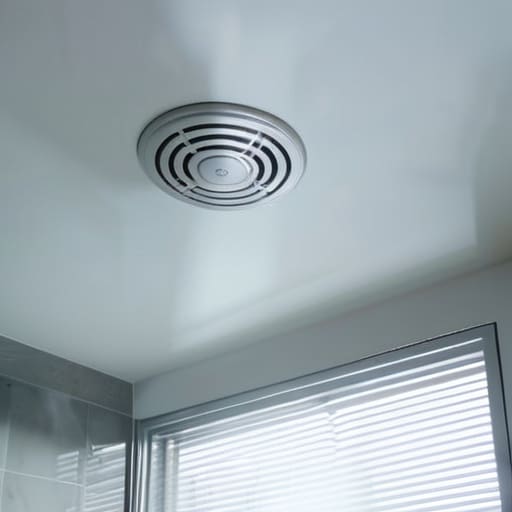
The easiest way to stay ahead of this mess is to stop thinking of humidity as an invisible problem and start treating it like a manageable project. I’ve learned the hard way that if you aren’t actively controlling indoor moisture levels, nature is going to take over your drywall. My first rule of thumb? Get the air moving. If you’re stepping out of the shower and seeing a fogged-up mirror, you need to be more aggressive with your bathroom ventilation tips—run that fan for at least twenty minutes after you’re done, not just while you’re in there.
If you live in a climate that feels like a tropical rainforest, I can’t stress the dehumidifier benefits for homes enough. I keep a small unit in the basement and another in the guest room during the humid months; it’s a total game-changer for peace of mind. Also, keep an eye on your glass. If you’re constantly preventing condensation on windows by wiping them down every morning, that’s a red flag that your home is holding onto too much water. Address the airflow now so you aren’t scrubbing spores later.
Dehumidifier Benefits for Homes You Cant Ignore
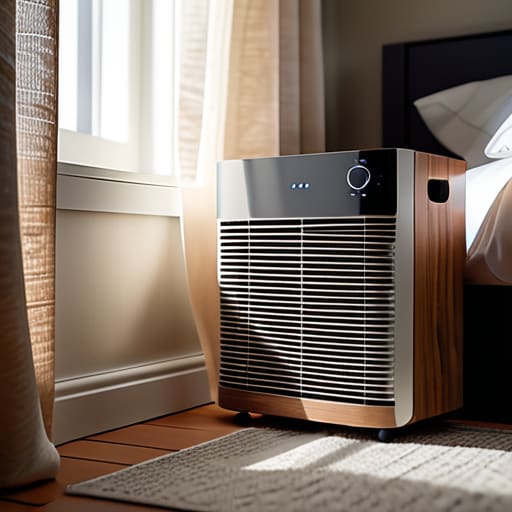
If you’ve ever woken up to that dreaded fog on your bedroom windows, you already know the struggle. Preventing condensation on windows isn’t just about wiping away the moisture every morning; it’s about addressing the source. This is where a decent dehumidifier becomes your best friend. Instead of playing a losing game of whack-a-mole with damp spots, a dehumidifier pulls that excess water straight out of the air before it ever has a chance to settle into your drywall or carpets.
I used to think these machines were just for basements, but I was wrong. I’ve found that running one in a humid living area is one of the most effective ways of controlling indoor moisture levels without needing a full-scale renovation. It takes the guesswork out of your air quality. Rather than constantly searching for signs of hidden mold growth behind the sofa or under the bed, you’re proactively creating an environment where mold simply can’t thrive. It’s one of those small, functional wins that lets you stop worrying about the air you’re breathing and just enjoy your home.
Five Low-Effort Habits to Keep the Damp at Bay
- Check your seals and caulk. I learned this the hard way when a leaky bathroom seal turned my guest bath into a science experiment; grab a cheap tube of silicone and touch up those cracks around the tub and sink once a year.
- Let your house breathe. It sounds simple, but opening the windows for just ten minutes a day—especially after cooking or showering—flushes out the stagnant, humid air that mold loves so much.
- Keep your furniture off the walls. If you have a heavy dresser or a sofa pushed tight against an exterior wall, you’re creating a dark, unventilated pocket where moisture gets trapped; give everything a little breathing room.
- Clean your exhaust fans regularly. Those little vents in the bathroom and kitchen get clogged with dust and grease, which means they aren’t actually pulling moisture out of the room like they’re supposed to.
- Manage your houseplants. I love my greenery, but if you have a cluster of plants in a corner, they’re essentially a tiny, humid microclimate; spread them out or make sure they aren’t sitting in standing water.
The Bottom Line: Keeping Your Space Dry and Manageable
Don’t wait for the smell of damp to tell you there’s a problem; keep an eye on your humidity levels regularly so you aren’t playing catch-up with mold later.
Invest in a decent dehumidifier for those high-risk areas like basements or laundry rooms—it’s a small upfront cost that saves you a massive headache down the road.
Focus on airflow and moisture control as part of your routine, not just an emergency fix, to keep your home feeling fresh and functional.
Keeping the Chaos at Bay
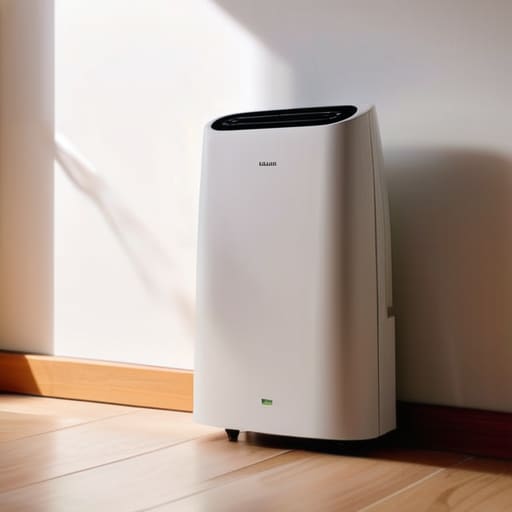
At the end of the day, preventing mold isn’t about some massive, expensive home renovation; it’s about the small, consistent habits that keep your environment stable. We’ve talked about the big hitters—managing your humidity levels, making sure your air is actually moving, and finally investing in a decent dehumidifier to do the heavy lifting for you. If you can master those few basics, you’re already ahead of the curve. It’s really just about staying ahead of the moisture before it becomes a problem you actually have to spend your weekend scrubbing away. Don’t wait for that musty smell to tell you something is wrong; take control of your air quality now so you aren’t playing catch-up later.
I know that managing a household can feel like a never-ending list of things that need fixing, but I promise you, these little wins add up. When you take care of the dampness and the airflow, you aren’t just protecting your drywall or your furniture; you’re protecting your peace of mind. You deserve a home that feels like a sanctuary, not a project that’s constantly demanding your attention. So, grab that dehumidifier, check your vents, and stop letting the small stuff pile up. Once you get these systems in place, you can finally get back to enjoying your space instead of constantly worrying about it.
Frequently Asked Questions
I’ve already cleaned the surface, but how do I know if the mold is actually gone or just hiding behind the drywall?
That’s the million-dollar question, isn’t it? If you’ve scrubbed the surface but still smell that musty, earthy scent, it’s likely still lurking. I always tell people to grab a flashlight and look for discoloration or bubbling paint around the edges of the area. If you’re really worried, don’t guess—cut a small inspection hole in the drywall. It’s a bit of a mess, but knowing for sure is better than playing hide-and-seek with spores.
Is it worth spending the money on a high-end dehumidifier, or can I just get away with a cheap little unit for my bathroom?
Look, I get it—it’s tempting to just grab the cheapest unit on the shelf to save a few bucks. But here’s the truth: if you’re trying to manage a whole room or a damp basement, those little desktop models won’t cut it; they’ll just run constantly without actually moving the needle. For a tiny, well-ventilated bathroom, a budget unit is fine. But for anything else? Invest in something with actual capacity. It’s better to buy it once than to replace a cheap one three times.
How often should I actually be checking my window seals and gaskets to make sure they aren't letting moisture in?
Honestly, don’t wait for a visible leak to start looking. I make it a habit to do a quick visual check every time I switch my clocks for daylight savings—so twice a year, no excuses. If you live somewhere with brutal winters or heavy humidity, maybe once a season is better. Just run your hand along the seals; if they feel brittle or look cracked, swap them out immediately before you’re dealing with a much bigger headache.