Level Up Your Home Coffee Game and Skip the Cafe
Look, I am so tired of seeing those $800 espresso machines with twenty different buttons that look like they belong in a cockpit, promising you a “café experience” that usually ends in a kitchen counter covered in spilled grounds and a massive headache. If you think you need a chemistry degree and a mountain of expensive gadgets just to figure out how to make coffee at home, you’ve been lied to. I spent years in the corporate grind where a mediocre cup of sludge was the standard, and frankly, life is too short to settle for bad caffeine or to spend your entire morning performing a complicated ritual just to feel human.
I’m not here to sell you on some high-maintenance lifestyle; I’m here to give you the functional wins. In this guide, I’m stripping away the pretension and showing you exactly how to get a delicious, consistent cup without the unnecessary clutter. We’re going to focus on the few essential tools and simple habits that actually matter, so you can stop overcomplicating your morning and just get it done. Let’s get your caffeine fix sorted once and for all.
Table of Contents
Ditch the Pre Ground Dust for Freshly Ground Coffee Beans

Look, I know the temptation to grab a giant, cheap tin of pre-ground stuff from the supermarket is real—especially on a Tuesday morning when the kids are running late. But if you want to actually taste the notes of chocolate or citrus in your cup rather than just tasting “brown liquid,” you have to stop buying the dust. Once those beans are ground, they start oxidizing immediately. Within minutes, they’re losing the very oils that make coffee delicious. If you’re serious about improving coffee flavor profile, the single biggest win you can claim is switching to freshly ground coffee beans.
You don’t need a laboratory-grade setup to make this happen. I’m a big believer in minimalist functionalism, so don’t go out and buy a $500 grinder if you aren’t ready for the commitment. A simple, sturdy burr grinder is all you need to get started. It’s a small upfront investment that pays massive dividends in quality. Think of it like restoring an old chair; you can use the cheap, quick-fix glue, or you can take the time to do it right. Do it right. Your morning self will thank you.
Simple Coffee Brewing Equipment for Beginners Who Want Results
Look, you don’t need a $2,000 espresso machine sitting on your counter to feel like a professional barista. In fact, most of those high-end gadgets just add more clutter to your morning routine and more things to clean. When I first started getting serious about my morning cup, I realized that the best coffee brewing methods are often the simplest ones. If you’re looking for reliable coffee brewing equipment for beginners, start with a French press or a simple pour-over setup. They are tactile, easy to clean, and they don’t require a degree in engineering to operate.
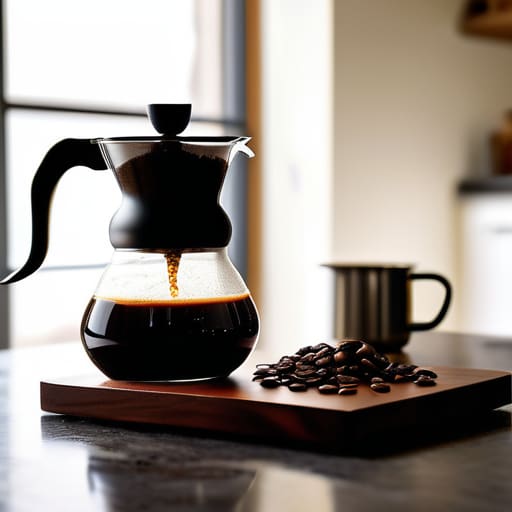
A French press is my personal go-to for busy mornings because it’s forgiving; you just need your beans, hot water, and a few minutes of patience. If you prefer something cleaner and more nuanced, a Hario V60 or a Chemex will help you focus on improving your coffee flavor profile by filtering out those heavy oils. The goal isn’t to collect every shiny new tool on the market—it’s to find a method that fits your lifestyle and actually works when you’re half-asleep.
Five Small Tweaks for a Better Brew

- Stop using tap water if it tastes like a swimming pool; use filtered water instead. If your water is mediocre, your coffee will be too, and there’s no amount of expensive beans that can fix that.
- Get a digital scale. I know, it feels like overkill, but measuring by “scoops” is just guesswork, and guesswork is why your coffee tastes bitter one day and sour the next.
- Watch your temperature. You don’t need a lab-grade thermometer, but if you’re pouring boiling water directly onto the grounds, you’re going to scorch them. Let the kettle sit for a minute after it whistles.
- Clean your gear religiously. That oily residue buildup from last week’s brew isn’t “flavor”—it’s just old, rancid coffee that’s going to ruin your fresh pot.
- Master the ratio. Start with a simple 1:16 ratio (one part coffee to sixteen parts water) and adjust from there. Once you find your sweet spot, write it down in your kitchen notebook so you never have to hunt for it again.
The Bottom Line for a Better Brew

Stop wasting money on pre-ground bags that taste like cardboard; invest in a decent grinder and fresh beans to see an immediate difference.
You don’t need a $1,000 espresso machine to get a good cup—pick one reliable brewing method and master it.
Keep your gear clean and your routine simple so your morning caffeine fix feels like a win, not another chore on your to-do list.
Making It Part of Your Routine

Look, you don’t need a degree in chemistry or a kitchen full of expensive, shiny gadgets to make a decent cup of coffee. It really comes down to a few fundamental shifts: stop buying that stale, pre-ground stuff that’s been sitting on a grocery shelf for months, invest in a simple grinder, and get yourself some reliable, basic equipment that actually works. Once you nail those two things—fresh beans and a straightforward brewing method—the rest is just fine-tuning. It’s about removing the friction and focusing on the quality of the ritual rather than the complexity of the process.
At the end of the day, my goal isn’t to turn you into a professional barista; it’s to help you reclaim a small, intentional moment in your morning. We spend so much of our lives rushing from one task to the next, often feeling like we’re just spinning our wheels. Making your own coffee is one of those small, actionable wins that proves you can take control of your environment. So, grab your beans, set your timer, and enjoy the quiet before the chaos of the day kicks in. You’ve earned a really good cup of coffee, so go make one.
Frequently Asked Questions
Do I really need a fancy scale, or can I just use a regular measuring spoon?
Look, I get it. I’m all about minimizing clutter, and a digital scale feels like one more gadget to clean and store. If you’re just starting out, you can absolutely get by with a measuring spoon. It’s not “perfect,” but it’s better than guessing. However, if you find your coffee tastes bitter one day and sour the next, that’s your sign. A cheap scale removes the guesswork so you can actually relax.
How do I figure out which coffee bean roast is actually worth my money?
Look, don’t get blinded by fancy labels or expensive bags. If you want value, look at the roast date, not just the roast level. A bag of light roast that was roasted three weeks ago is worth more to your palate than a dark roast that’s been sitting on a shelf for months. If it doesn’t have a date, put it back. Buy what you actually enjoy drinking, not what looks “gourmet.”
Is cleaning my equipment every single day actually necessary, or am I just wasting time?
Look, I get it. Between managing freelance clients and keeping a house running, every minute counts. But here’s the straight talk: if you aren’t cleaning your gear, you’re drinking old, rancid oils. It’s not about being precious with your equipment; it’s about the taste. A quick rinse and a wipe-down every single morning takes two minutes and prevents that bitter, burnt aftertaste. Don’t let a dirty machine ruin a perfectly good bean.