Quick Stretches to Relieve Tension From Sitting All Day

I spent fifteen years climbing the corporate ladder, and if there is one thing I learned, it’s that most “wellness” advice is just expensive fluff designed to make you feel like you need a yoga retreat to survive a Tuesday. I am so tired of seeing influencers promote these complicated, thirty-minute flows that require a mat, a change of clothes, and a sense of zen that none of us actually have when we’re staring at a spreadsheet. You don’t need a lifestyle overhaul to fix that nagging ache in your shoulders; you just need a few effective desk stretches that actually work without making you look like a lunatic in an open-plan office.
I’m not here to sell you a subscription or a fancy ergonomic gadget. My goal is to give you the straight-talking, actionable wins that I use to keep myself functional during a heavy freelance week. I’ve boiled this down to a handful of movements that take less than three minutes and require zero equipment. We are going to stop overcomplicating your physical health and just get your body moving so you can finish your workday without feeling like a human pretzel.
Table of Contents
Quick Neck and Shoulder Relief at Work
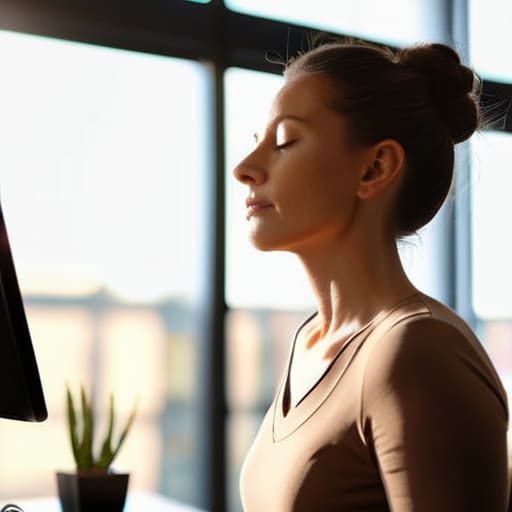
If you’re reading this, there’s a good chance your chin is currently hovering about three inches closer to your screen than it should be. We’ve all been there—getting sucked into a spreadsheet and suddenly realizing your traps feel like they’ve been replaced by concrete blocks. To get some quick neck and shoulder relief at work, start with a simple ear-to-shoulder tilt. Don’t force it; just let gravity do the heavy lifting. Hold it for twenty seconds on each side, and you’ll feel that tension start to melt away from the base of your skull.
Next, let’s address those rounded shoulders. Most of us spend our afternoons hunched forward, which is a recipe for disaster. Try a seated chest opener: lace your fingers behind your head, pull your elbows back as far as they’ll go, and gently squeeze your shoulder blades together. It’s one of those tiny, ergonomic desk exercises that makes a massive difference in how you feel by 5:00 PM. It takes less than a minute, but it stops that slow slide into a permanent slouch.
Wrist Stretches for Typing Without the Tension
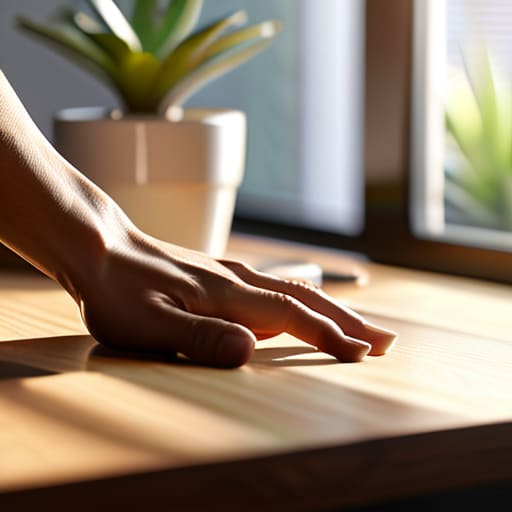
If you’re like me, you probably spend more time hovering over a keyboard than you’d like to admit. Between managing client timelines and drafting endless emails, my wrists used to feel like they were made of rusted gears by 3:00 PM. To combat this, I’ve added a few wrist stretches for typing into my daily routine. Start by extending one arm straight out in front of you, palm facing up, and use your other hand to gently pull your fingers down toward the floor. Hold it for twenty seconds, then flip it so your palm faces down and pull the back of your hand toward you. It’s a simple move, but it makes a world of difference.
Don’t forget the “prayer stretch” either. Press your palms together in front of your chest and slowly lower your hands toward your waist until you feel a pull in your undersides. Integrating these small ergonomic desk exercises doesn’t require a yoga mat or a change of clothes; you can do them right in your office chair without anyone even noticing. Just a quick reset to keep the tension from traveling up your arms.
Five Ways to Stop Feeling Like a Human Pretzel by 3 PM

- Set a “movement alarm” on your phone for every ninety minutes. Don’t wait until your back is screaming at you to move; treat it like a scheduled project milestone that you can’t skip.
- Try the seated spinal twist. While you’re sitting, grab the armrest or the back of your chair and gently rotate your torso. It’s a quick way to decompress your spine without needing a yoga mat.
- Do some seated figure-fours to save your hips. Cross one ankle over the opposite knee and lean forward just a tiny bit. It feels like a massive release for all that sitting-induced tightness.
- Stand up and reach for the ceiling every time you finish a task. It’s a simple way to reset your posture and get your blood flowing again instead of just collapsing into the next email.
- Use your eye muscles to rest. Every twenty minutes, look away from the screen at something at least twenty feet away for twenty seconds. It sounds basic, but it stops that heavy, strained feeling in your head.
The Bottom Line: Don't Let Tension Become Your New Normal
Stop waiting for the pain to become unbearable before you move; treat these stretches like a scheduled meeting you can’t cancel.
Keep it simple—you don’t need a yoga mat or a gym membership, just two minutes and a little bit of intentionality to reset your posture.
Consistency beats intensity every single time, so aim for small, frequent movements throughout the day rather than one massive stretch at 5:00 PM.
Don't Let the Workday Win

Look, I know how it goes. You get into a flow state, the inbox starts piling up, and suddenly three hours have vanished and your body feels like it’s made of rusted iron. We’ve covered everything from those essential neck releases to the wrist stretches that keep your hands from seizing up after a marathon typing session. The goal isn’t to turn your office into a yoga studio; it’s simply to interrupt the cycle of physical tension before it turns into a chronic headache or a trip to the physical therapist. If you can manage to implement just two of these movements every time you finish a meeting or grab a coffee, you’re already winning the battle against a sedentary workday.
At the end of the day, your career is important, but it shouldn’t come at the expense of your physical well-being. I spent years pushing through the aches and pains thinking it was just “part of the job,” only to realize that intentionality is the ultimate productivity hack. When you feel better, you work better, and more importantly, you actually have the energy left to enjoy your life once you close that laptop. So, set a timer, stand up, and move. Don’t overthink it—just get it done and take care of yourself.
Frequently Asked Questions
How often should I actually be doing these stretches to see a real difference in my tension?
Look, I’m not going to tell you to schedule a formal “stretching hour”—we both know that won’t happen. Realistically? Aim for a quick two-minute reset every time you finish a task or hit a lull in your workflow. If you wait until you’re actually in pain, you’ve already waited too long. Think of it like maintenance on a vintage sideboard; a little bit of regular care prevents a total breakdown later.
Are there any specific stretches I should avoid if I already have a nagging injury or chronic pain?
Look, I’m a project manager, not a doctor, so please listen: if you’re dealing with a real injury, don’t try to “power through” it. If a stretch causes sharp, stabbing pain or makes a dull ache turn into a throb, stop immediately. Avoid deep twisting or anything that creates numbness. My rule of thumb? If it feels like it’s working against you rather than with you, back off and call a professional.
Can I do these movements effectively if I'm stuck in a cubicle or a cramped shared office space?
Look, I’ve spent enough years in cramped cubicles to know that privacy is a luxury you rarely have. You don’t need a yoga mat or a private studio to make this work. Most of these movements are subtle—think “gentle adjustments” rather than “gym session.” If you’re worried about looking odd, just frame it as a quick reset. Even if you’re tucked into a corner, these small, seated shifts work just as well.