Simple Strategies to Cut Sugar Out of Your Diet
I was staring at a grocery store shelf last Tuesday, surrounded by “healthy” granola bars and “low-fat” yogurts, and I felt that familiar surge of irritation. It’s the same nonsense I see in every wellness magazine: complicated detoxes, expensive superfood powders, and enough jargon to make your head spin. Honestly, most of these products are just sugar in a different, more expensive costume. If you’re looking for a magic pill or a way to spend your entire paycheck on “clean” snacks, you’re in the wrong place. I’m not interested in the hype; I’m interested in how to reduce sugar in your diet without turning my kitchen into a laboratory or my life into a chore.
I’m not here to give you a lecture or a list of impossible restrictions. Instead, I’m sharing the actual, repeatable wins I’ve used to reclaim my energy and steady my moods. We are going to focus on simple, functional swaps and practical pantry audits that fit into a busy, real-world schedule. No fluff, no expensive supplements—just straight-talking strategies to help you take control of your fuel and stop the constant energy crashes.
Table of Contents
Unmasking the Hidden Sugars in Processed Foods

Here is the reality: most of the sugar we consume isn’t coming from the obvious stuff like cookies or cake; it’s hiding in plain sight within the “healthy” items in your pantry. I used to think my morning yogurt and granola were safe bets, but once I actually learned how to read nutrition labels for sugar, I was floored. Manufacturers are masters of disguise, using names like maltodextrin, barley malt, or agave nectar to mask the fact that a “healthy” salad dressing is essentially liquid candy.
If you want to stop the cycle of energy crashes, you have to become a bit of a detective during your grocery runs. It’s not about being obsessive; it’s about being intentional. I started keeping a small note in my kitchen notebook of the “red flag” ingredients to watch out for. Once you start identifying these hidden sugars in processed foods, you’ll realize how much of your daily sugar intake was actually accidental. It’s a bit of a learning curve, but once you spot the patterns, you can’t unsee them.
Mastering the Art of How to Read Nutrition Labels for Sugar

Look, I know staring at a nutrition label can feel like trying to decipher a legal contract, but if you want to win this battle, you have to get comfortable with the fine print. Don’t just glance at the “Total Sugars” line and call it a day; that’s where the marketing teams want you to stop. Instead, flip the page and hunt for the Added Sugars line. This is the most important metric for anyone looking into the benefits of a low sugar lifestyle. If that number is high, it doesn’t matter if the product claims to be “all natural”—it’s still a sugar bomb waiting to spike your insulin.
The real trick is learning to spot the aliases. Manufacturers love to use different names to keep the sugar count looking low on the front of the box. If you see words ending in “-ose”—like maltose, dextrose, or fructose—or things like agave nectar and cane crystals, you’ve found the culprits. Mastering how to read nutrition labels for sugar is really just about developing a bit of healthy skepticism. Once you start seeing these patterns, you’ll realize how much easier it becomes to make quick, intentional choices at the grocery store.
Small Wins: My Five Go-To Moves for Cutting Back

- Stop the liquid sugar trap. I used to grab a flavored latte or a soda to get through the afternoon slump, but those are just spikes waiting to crash. Switch to sparkling water with a squeeze of fresh lime or a plain tea; you’ll stop the cycle of energy crashes before they even start.
- Rethink your breakfast. Most “healthy” cereals and yogurts are basically dessert in a bowl. I started swapping the sugary flakes for Greek yogurt with real berries or eggs. It takes more discipline for the first three days, but your blood sugar will thank you.
- Master the “Half-and-Half” rule. You don’t have to go cold turkey on everything overnight—that’s a recipe for failure. If you usually put two sugars in your coffee, drop to one. If you love sweetened dressings, mix them with a little olive oil and vinegar to dilute the intensity.
- Keep the “real stuff” visible. When I’m working on a furniture project, I keep my tools right where I can see them. Do the same with your snacks. Keep a bowl of almonds or sliced apples on the counter and hide the sweets in a high, opaque cabinet. If it’s out of sight, it’s out of mind.
- Don’t shop when you’re hungry or stressed. This is a project management rule applied to my pantry: never make big decisions under pressure. If you hit the grocery store after a long workday on an empty stomach, you aren’t buying spinach; you’re buying cookies. Plan your list, stick to it, and get out.
The Bottom Line: Small Wins for a Low-Sugar Life
Stop playing guessing games with your groceries; if you can’t pronounce the sweetener or it’s listed in the first three ingredients, put it back on the shelf.
Focus on crowd-out rather than deprivation—fill your plate with real, single-ingredient foods first, and you’ll naturally find there’s less room for the processed junk.
Don’t aim for perfection on day one; just pick one habitual swap, like trading your afternoon soda for sparkling water, and master that before moving to the next.
Cutting Through the Sweet Chaos

Look, we’ve covered a lot of ground, from spotting those sneaky hidden sugars in your favorite “healthy” snacks to actually understanding what those confusing nutrition labels are trying to tell you. It’s not about being perfect or never touching a dessert again; it’s about taking back control of your pantry and your energy levels. Once you stop letting processed foods dictate your blood sugar spikes and crashes, you’ll realize that most of the struggle was just a lack of information. By making these small, intentional shifts, you aren’t just changing a diet—you are simplifying your entire approach to how you fuel your body.
My advice? Don’t try to overhaul your entire kitchen in a single afternoon. That’s a recipe for burnout, and we don’t have time for that. Instead, pick one thing—maybe it’s swapping out your morning cereal or committing to reading every label before it hits the cart—and just start there. Real, lasting change comes from these small, actionable wins that eventually become second nature. You’ve got the tools and the knowledge now, so stop overcomplicating the process and just get started. You’ll be surprised at how much lighter you feel once you finally clear out the clutter.
Frequently Asked Questions
What are some quick, real-life snack swaps I can make when the afternoon energy crash hits?
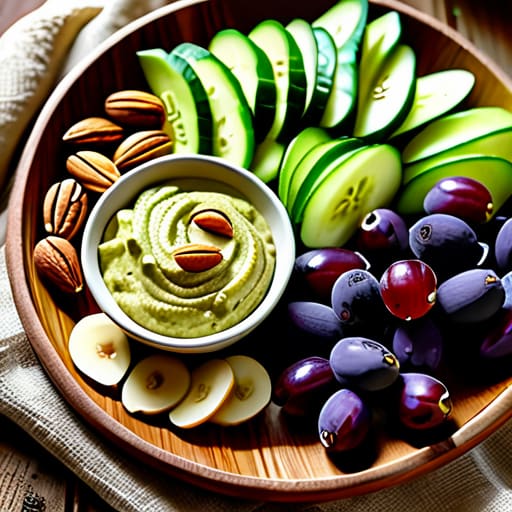
When that 3:00 PM slump hits, your brain screams for a candy bar, but your body actually needs stability. Skip the granola bars—they’re often just glorified dessert. Instead, grab a handful of almonds and an apple, or some Greek yogurt with a sprinkle of cinnamon. If you’re craving crunch, try sliced cucumbers with hummus. These pairings give you protein and fiber, which keeps your blood sugar steady instead of sending it on a rollercoaster.
How do I handle social situations or dining out without feeling like I'm being "that person" who's obsessed with sugar?
Look, I get it. Nobody wants to be the person lecturing the table about glucose spikes while everyone else is enjoying dessert. My rule? Don’t make it a lecture; make it a preference. If you’re dining out, scan the menu beforehand so you aren’t scrambling when the waiter arrives. When the question comes up, just say, “I’m feeling much better lately since I cut back on sweets.” It’s simple, non-judgmental, and keeps the focus on your energy, not their plate.
Are there specific natural sweeteners I can use in my coffee or baking that won't completely derail my progress?
Look, I get it. Going cold turkey on everything sweet feels like a punishment, and I’m not a fan of those. If you’re looking for a bridge, try monk fruit or stevia for your morning coffee; they’re great for keeping the glucose spikes at bay. For baking, I’ve had success using mashed bananas or unsweetened applesauce to add moisture and a hint of natural sweetness. It’s about progress, not perfection.