The Ultimate Guide to Perfectly Fluffy Rice
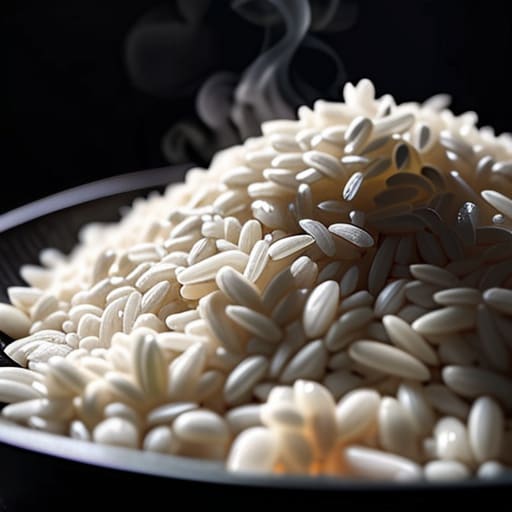
I am so tired of seeing those “gourmet” cooking videos claiming you need a $200 specialized electric cooker or a dozen different exotic spices just to get a decent grain. Honestly, if you’re looking for a complicated ritual to justify a fancy kitchen gadget, you’re in the wrong place. Most of that is just noise designed to make a simple staple feel more difficult than it actually is. I’ve spent years managing complex projects and chaotic households, and if there is one thing I’ve learned, it’s that you don’t need more gear; you just need a reliable system. Learning how to cook rice perfectly shouldn’t feel like a chemistry experiment that requires a lab coat and a prayer.
I’m not here to give you a lecture or a list of “chef secrets” that won’t work in a real, busy kitchen. Instead, I’m going to give you the straightforward mechanics of the process—the exact ratios, the one rinse that actually matters, and the simple timing that works every single time. My goal is to hand you a foolproof method so you can stop worrying about mushy clumps and start focusing on the rest of your evening. Let’s just get it done.
Table of Contents
The Simple Secret of Rinsing White Rice

If you’ve ever pulled a pot of rice off the stove only to find it looking more like a gummy paste than fluffy grains, I promise you, it isn’t your fault—it’s just the starch. Most of us treat rice like it’s ready to go straight from the bag to the pot, but that’s a mistake that leads to nothing but frustration. The real secret to avoiding mushy rice is a simple step most people skip: rinsing.
When you’re rinsing white rice, you aren’t just cleaning it; you’re washing away that excess surface starch that acts like a glue during the heating process. I always keep a fine-mesh strainer by the sink for this exact reason. Just dump your rice in, run cold water over it, and swirl it around with your hand until the water runs clear rather than cloudy. It takes maybe sixty seconds, but it’s the single most effective way to ensure each grain stays distinct and firm. Whether you’re cooking rice in a rice cooker or using the traditional stovetop method, don’t skip this. It’s a small, non-negotiable win for your dinner routine.
Mastering the Rice to Water Ratio Without the Stress

Look, I’ve spent enough years managing complex projects to know that if your initial inputs are wrong, the whole outcome is going to be a mess. The same applies here. If you’re still eyeballing your measurements, you’re just asking for a pot of gummy, unpalatable starch. The golden rule for most long-grain varieties is a standard 2:1 rice to water ratio, but I’ve learned through trial and error that being precise is the only way to truly succeed.
If you’re using a stovetop rice method, don’t let the heat dictate your success; let the ratio do the heavy lifting. Once you have your water and rice in the pot, bring it to a boil, drop it to the lowest setting, and cover it tight. If you’re using a rice cooker, you have even more breathing room, but even then, stick to the markings. The goal isn’t just to cook the grain, but to ensure every kernel stays distinct. Mastering this ratio is the single most effective way to start avoiding mushy rice once and for all.
Five No-Nonsense Rules for Fluffy Rice

- Stop peeking. I know it’s tempting to lift the lid every five minutes to see if it’s done, but you’re just letting all that precious steam escape. Keep the lid on tight and trust the process.
- Let it rest. This is the step everyone skips because they’re hungry, but if you don’t let the rice sit off the heat for at least ten minutes, it’ll turn into a gummy mess. Give it a moment to settle.
- Use a fork, not a spoon. When you finally go in to fluff it, use a fork to gently lift the grains. A spoon mashes them together, and we are aiming for individual, light grains, not a block of starch.
- Check your pot. If you’re using a thin, cheap pot, you’re going to end up with scorched bottoms. Use something with a heavy base to distribute the heat evenly so you aren’t scraping burnt bits off the bottom later.
- Season as you go. Don’t just rely on the sauce you pour over it at the end. A tiny pinch of salt in the water while it simmers makes a world of difference in how the flavor actually hits your palate.
The Bottom Line for Stress-Free Rice
Stop guessing and start measuring; stick to that two-to-one ratio every single time so you aren’t left with a gummy mess or a pot of crunchy grains.
Don’t skip the rinse—it takes thirty seconds, but it’s the difference between a sticky clump and fluffy, individual grains that actually taste good.
Let the rice sit covered for ten minutes after the heat is off; it’s the easiest way to let the steam finish the job so you aren’t rushing the process.
Put Down the Measuring Cup and Just Cook

At the end of the day, perfect rice isn’t about following a rigid, scientific formula that leaves you feeling stressed in your own kitchen. It’s about mastering those few fundamental habits: give your rice a good rinse to clear out that excess starch, stick to your ratio, and then—this is the most important part—let it sit undisturbed once the heat is off. If you can manage those three simple steps, you’ve already won half the battle. You don’t need a fancy gadget or a culinary degree; you just need to trust the process and give the grains the time they need to finish steaming.
I know how it feels when your to-do list is a mile long and the last thing you want to do is battle a pot of sticky, gummy rice. But once you nail this, it becomes one less thing to worry about. It’s a small, reliable win that clears a little more mental space for the things that actually matter. So, stop overthinking the grain count and just get it on the stove. Life is far too busy for mediocre side dishes, and honestly, you deserve a meal that actually works as hard as you do. Now, go enjoy your dinner.
Frequently Asked Questions
What do I do if my rice turns out mushy or clumpy instead of fluffy?
Look, we’ve all been there—you open the lid and it’s more like porridge than pilaf. If your rice is mushy, you likely overshot the water or didn’t let it rest. Next time, pull it off the heat five minutes earlier and let it sit, covered, to let the steam settle. If it’s already a clumped mess, don’t toss it; fold in some fresh herbs and olive oil, and call it a savory grain bowl.
Can I use chicken broth or other liquids instead of water, and will that change the ratio?
You absolutely can, and honestly, it’s a total game-changer for flavor. Swapping water for chicken or vegetable broth adds a layer of richness that plain water just can’t touch. As for the ratio, keep it exactly the same. If you’re using the same two-to-one rule we just talked about, stick to it. Don’t overcomplicate the math; just swap the liquid and let the broth do the heavy lifting for your taste buds.
Do I really need to let it sit covered after the heat is off, or can I just scoop it out immediately?
Look, I get it—you’re hungry, the kitchen is a mess, and you just want to eat. But please, don’t scoop it out immediately. If you do, you’ll end up with unevenly cooked grains and a texture that’s more “mushy” than “fluffy.” Let it sit covered for at least ten minutes. It allows the moisture to redistribute evenly. Think of it as a tiny bit of passive organization for your dinner. It’s worth the wait.