The Science Behind Gratitude and How to Start Practicing It

I’m so tired of seeing those glossy, filtered influencers telling you that learning how to practice gratitude requires a $50 linen journal and a sunrise meditation retreat in Sedona. Honestly, it’s exhausting. If I see one more post about “manifesting abundance” through expensive crystals, I might actually lose my mind. Real life doesn’t happen in a curated wellness sanctuary; it happens in the middle of a Tuesday afternoon when the dishwasher is leaking and your teenager is arguing about laundry. Gratitude shouldn’t be another chore on your overflowing to-do list that makes you feel guilty for being human.
I’m not here to sell you a lifestyle or a complicated ritual that takes an hour you don’t have. Instead, I want to share the small, uncomplicated wins I’ve used to keep my head above water during years of corporate chaos and home renovations. I’m going to show you how to integrate appreciation into the actual cracks and crevices of your day—without the fluff. We’re going to focus on practical, actionable shifts that actually work when life gets messy. Let’s get to it.
Table of Contents
Quick Daily Gratitude Journal Prompts That Actually Work

Look, I don’t have the patience for those long, flowery journaling sessions that require a candle and an hour of silence. If you’re anything like me, you’ve got a million things on your plate and a house that refuses to stay clean. Instead of trying to write a manifesto, just use these daily gratitude journal prompts to keep things moving. When I’m feeling particularly overwhelmed, I ask myself: What is one small thing that went right today? It could be as simple as the coffee being the perfect temperature or finally finding that specific screwdriver I lost last week.
If the day has been a total grind, try shifting your focus to something physical. Write down one thing your body did for you today—maybe it’s the fact that you walked the dog despite the rain, or simply that you managed to get a solid six hours of sleep. These aren’t just fluff; there is a real scientific impact of gratitude on well-being that helps quiet the noise in your head. Don’t overthink the entries. Just jot them down, close the notebook, and get back to your life.
Simple Mindfulness and Appreciation Techniques for Busy Lives

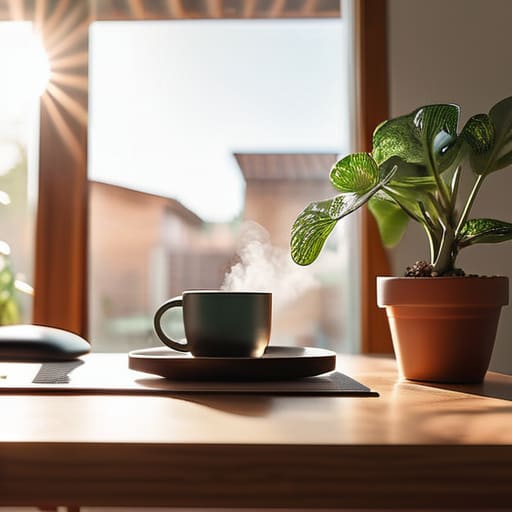
Look, I get it. Between managing client deadlines and trying to figure out why the kitchen sink is leaking again, sitting in a quiet room for twenty minutes of meditation feels like a luxury we just don’t have. But mindfulness doesn’t have to be a grand production. You can integrate mindfulness and appreciation techniques into the things you’re already doing. While you’re sipping your morning coffee—before the chaos of the household really kicks in—just take sixty seconds to actually taste it. Notice the warmth of the mug and the quiet of the kitchen. It sounds small, but these micro-moments are what help in cultivating a positive mindset without adding another chore to your to-do list.
If you’re feeling particularly overwhelmed, try using sensory grounding as one of your go-to gratitude exercises for anxiety relief. When my brain starts spinning about a project timeline, I stop and find three things I can see, two I can touch, and one I can smell. It pulls you out of your head and back into your body. It isn’t about pretending everything is perfect; it’s about acknowledging the small, functional wins that keep us moving forward.
Five No-Nonsense Ways to Make Gratitude Stick

- Stop waiting for a “moment” to be grateful. You don’t need a sunset or a spa day; just catch yourself in the middle of a mundane task, like folding laundry or waiting for the coffee to brew, and acknowledge one thing that isn’t currently broken.
- Use your existing systems. I keep a tiny notebook in my kitchen for grocery lists and quick fixes—why not use it for gratitude too? If you’re already writing things down, add one win at the bottom of the page before you close it.
- Connect it to your senses. When the mental chatter gets too loud, stop and find one physical comfort you’re overlooking—the weight of a warm mug, the softness of a worn-in sweater, or even just a quiet room. It grounds you instantly.
- Skip the “everything is perfect” trap. Gratitude isn’t about pretending your life is a Pinterest board. It’s about finding the small, functional wins even when the rest of the day feels like a project gone sideways.
- Make it a habit, not a chore. Don’t turn this into another item on your massive to-do list that causes more stress. If you only manage to think of one thing while you’re brushing your teeth, call it a win and move on.
The Bottom Line: Making It Stick
Stop waiting for a “perfect” moment to be grateful; just grab one of those notebooks I’m always talking about and jot down one win before you head to bed.
Don’t turn this into another chore on your to-do list—if a formal meditation feels like too much, just take thirty seconds to actually notice the coffee in your hand.
Focus on the small, functional wins, because if you can’t find joy in the little things that keep your life running, you’re missing the point entirely.
Stop Overthinking It and Just Start

Look, we’ve covered a lot of ground here, from quick journal prompts to those tiny mindfulness shifts you can squeeze into a hectic afternoon. The takeaway isn’t that you need to spend an hour meditating on a mountain top; it’s about the small, intentional wins we discussed. Whether you’re jotting down three things in your kitchen notebook or just taking a second to appreciate a quiet cup of coffee before the kids wake up, the goal is consistency over perfection. You don’t need a fancy leather-bound journal or a lifestyle overhaul to make this work. You just need to stop overcomplicating the process and start noticing the things that are already going right.
At the end of the day, gratitude isn’t some lofty, spiritual chore—it’s a practical tool for survival in a chaotic world. It’s about reclaiming your perspective so that the broken hinges and unorganized schedules don’t consume your entire mental bandwidth. Life is messy, and it’s always going to be a bit of a fixer-upper, but when you train your brain to look for the light, the heavy lifting feels a whole lot easier. So, grab your pen, pick one thing that went well today, and get on with your life. You’ve got this.
Frequently Asked Questions
I'm already stretched thin—how am I supposed to find time for this without it feeling like just another chore on my to-do list?
Look, I get it. When your calendar is already bleeding red, adding “practice gratitude” feels like just another project to manage. Here’s the trick: stop treating it like a formal task. Don’t sit down with a candle and a fancy journal if that feels heavy. Just pair it with something you’re already doing. While the coffee brews or you’re waiting for the kids to find their shoes, think of one thing that didn’t suck today. That’s it. Done.
What do I do on the days when everything is going wrong and I honestly can't find a single thing to be thankful for?
Look, I’ve been there. It’s one of those days where the coffee spills, the car won’t start, and your brain just feels like static. On those days, stop trying to force “deep gratitude.” It feels fake and it’s exhausting. Instead, aim for survival-level appreciation. I’m talking about the hot water in the shower, a pair of comfortable socks, or the fact that the Wi-Fi is still working. Keep it tiny, keep it physical, and just get through it.
Does this actually work for long-term stress, or is it just a temporary band-aid to make me feel better in the moment?
Look, I’ll give it to you straight: if you’re expecting a magic wand to make your stress vanish, you’re going to be disappointed. On its own, a gratitude list is just a band-aid. But if you use it to rewire how you react to the chaos—shifting from “everything is breaking” to “I handled that mess well”—it becomes a tool for long-term resilience. It’s about building a mental buffer, not ignoring the problems.