Tricks to Make a Small Room Feel Much More Spacious

I’m going to be blunt: you don’t need to spend three months’ worth of mortgage payments on a “designer” consultation just to figure out how to make a small room look bigger. I see these high-end catalogs all the time, pushing these incredibly expensive, minimalist statement pieces that look lovely in a photo but actually make a tiny room feel even more suffocating. It’s a total scam. You don’t need a complete architectural overhaul or a mountain of designer clutter to fix a cramped floor plan; usually, you just need to stop fighting against your own square footage and start working with it.
I’m not here to sell you on a lifestyle overhaul or some complicated interior design theory that requires a degree to understand. Instead, I’m giving you the straight-talking, practical wins I’ve used in my own fixer-upper to reclaim my space. We’re going to focus on smart storage, light play, and a few simple layout shifts that actually work. My goal is to help you stop feeling trapped by your walls so your home can finally actually breathe again.
Table of Contents
Light Color Palettes for Interiors That Actually Breathe

Look, I’ve spent enough weekends staring at beige walls in cramped rental units to know that color isn’t just about aesthetics; it’s about psychology. When you’re working with limited square footage, heavy, dark tones act like a weighted blanket you never asked for. To get that sense of relief, I always lean toward light color palettes for interiors—think soft whites, pale greys, or even a very muted sage. These shades don’t just sit there; they actively bounce light around the room, which is the secret to natural light optimization.
If you’re worried that a light palette feels too clinical or “empty,” don’t panic. The trick is to layer textures rather than adding more “stuff.” Instead of a dark navy accent wall that shrinks the perimeter, try a cream-colored linen throw or a light oak side table. By keeping the colors airy, you’re essentially tricking the eye into seeing boundaries that aren’t there. It’s about creating a sense of visual breathing room so you don’t feel like the walls are closing in on you by 5:00 PM.
Using Mirrors for Depth to Trick the Eye

If you feel like your walls are closing in, stop looking at the floor and start looking at the glass. One of my favorite tricks for using mirrors for depth is to treat them less like decor and more like a window. I once had a tiny reading nook in my fixer-upper that felt like a broom closet until I hung a large, floor-length mirror opposite the window. Suddenly, it wasn’t just a corner anymore; it felt like the room had doubled in size. By reflecting the view from outside, you’re essentially inviting the outdoors in, which is a game-changer for natural light optimization.
Don’t feel like you need a massive, expensive mirror to make this work, either. You can use a cluster of smaller, vintage-framed mirrors to create a gallery effect that draws the eye upward and outward. When you’re focused on maximizing small apartment space, remember that placement is everything. If you position a mirror near a doorway or a hallway, it breaks up the visual “dead ends” that make a home feel cramped. It’s about creating visual pathways that trick the brain into seeing more room than there actually is.
Stop Crowding the Floor: Five Ways to Reclaim Your Square Footage

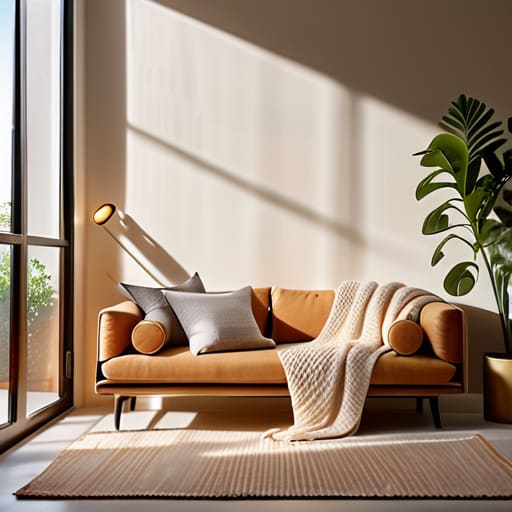
- Get your furniture off the ground. When you can see the floor extending all the way to the wall under a sofa or a sideboard, the room feels significantly more open. Swap those chunky, skirted pieces for something with slim, tapered legs—it’s a small change that makes a massive difference in visual weight.
- Think vertically, not just horizontally. Most of us stop decorating at eye level, which leaves a lot of wasted “dead air” above. Use tall bookshelves or hang your curtains way up near the ceiling rather than just above the window frame. It draws the eye upward and tricks your brain into thinking the ceilings are higher than they actually are.
- Ditch the heavy drapes for something lighter. I know, velvet curtains look lovely in a catalog, but in a tiny room, they’re just heavy anchors that swallow the light. Opt for sheer linens or light cottons. You want the sunlight to dance through the fabric, not get trapped behind it.
- Scale down your decor. I’ve learned the hard way that one giant, oversized coffee table in a small living room is a recipe for stubbed toes and a cramped feeling. Instead of a few massive, bulky items, go for a few smaller, intentional pieces. It keeps the flow of the room moving instead of creating a roadblock.
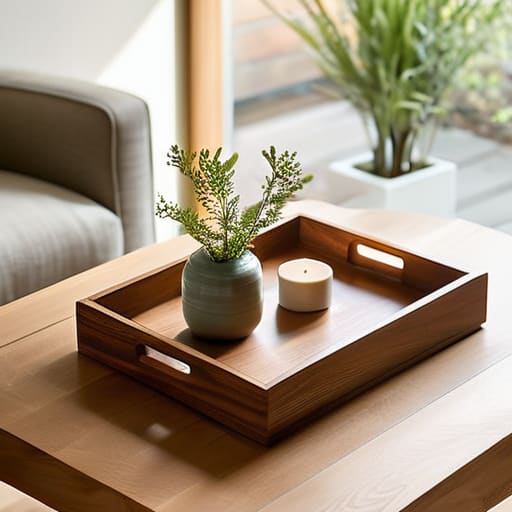
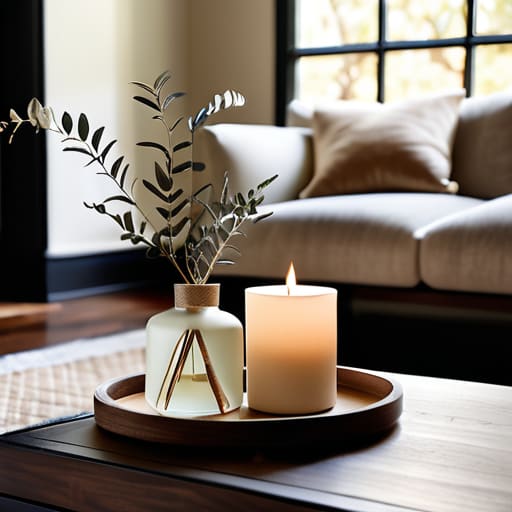
- Clear the visual clutter. This isn’t just about tidying up; it’s about reducing the “noise.” If every surface is covered in knick-knacks, your brain perceives the room as crowded. Keep your surfaces mostly clear, and if you must display things, use a tray to group them. It turns a mess into a “vignette” and gives your eyes a place to rest.
The Bottom Line: Three Quick Wins for Your Space
Stop fighting the walls; embrace light, airy colors and strategic mirror placement to trick your eyes into seeing more depth than there actually is.
Think vertically, not just horizontally—use your wall space for storage so you can finally clear the floor and give your feet some room to move.
Less is truly more; if a piece of furniture doesn’t serve a clear purpose or make you feel cramped, it’s time to let it go and reclaim your breathing room.
Making It Work for You

At the end of the day, making a small room feel larger isn’t about buying every expensive gadget on the market; it’s about being intentional with what you already have. We’ve talked about how a lighter color palette can lift the weight off your walls and how strategically placed mirrors can create that much-needed sense of depth. Whether you’re leaning into minimalist furniture or just clearing the clutter off your floor, the goal is to stop fighting against your square footage and start working with it. Remember, it’s the small, tactical shifts—like choosing pieces with legs instead of bulky bases—that make the biggest difference in how a room actually functions.
I know how easy it is to feel defeated by a cramped floor plan, especially when you’re trying to balance a busy career and a household that never seems to sit still. But don’t let a few tight corners convince you that your home is unlivable. You don’t need a mansion to find peace; you just need a space that feels like it’s breathing alongside you. Take it one step at a time, grab your notebook, and start with one corner today. Once you reclaim that sense of order, you’ll realize that your home isn’t too small—it’s just waiting for you to make it work.
Frequently Asked Questions
I love the color advice, but what do I do if I actually hate all-white rooms and want to use darker tones?
I hear you—and honestly, I’m with you. All-white rooms can feel more like a sterile hospital wing than a home. If you want depth, go for it. The trick is to embrace “moody” rather than “cramped.” Use darker tones on a single accent wall or in the lower half of the room with wainscoting. It creates a grounded, intentional feel. Just keep your furniture legs slim and your paths clear so the dark colors feel sophisticated, not heavy.
Should I be investing in big, chunky furniture to fill the space, or is more is definitely less when it comes to small rooms?
Look, I’ve spent many a weekend wrestling with heavy, oversized pieces in my fixer-upper, and I’ll tell you straight: more is definitely not better. Big, chunky furniture acts like a roadblock in a small room; it swallows the floor space and makes everything feel claustrophobic. Instead, aim for pieces with “legs”—think mid-century styles that show a bit of floor underneath. It keeps the sightlines open and lets the room actually breathe.
How do I handle heavy window treatments without making the whole place feel like a cave?
The trick is all in the placement. If you’re using heavy velvet or thick linen, don’t hang the rod right at the window frame; that just boxes the room in. Mount your curtain rod a few inches higher and wider than the actual window. It creates the illusion of a much larger opening. Also, keep the fabric off the floor by just a hair—it prevents that “heavy” look and lets the room breathe.