Why You Should Start Stretching (and How to Do It Right)
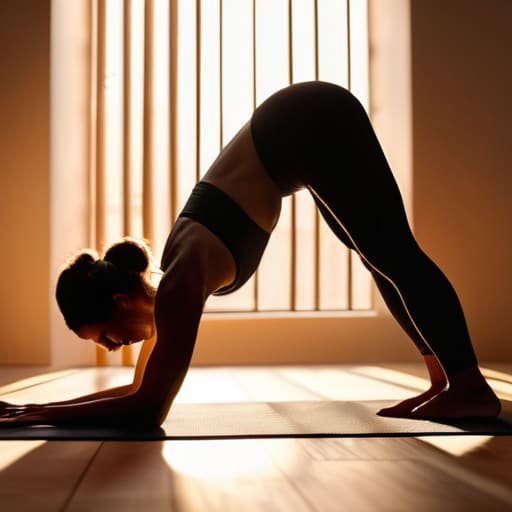
I was hunched over a mid-century sideboard last Tuesday, trying to sand down a stubborn layer of old varnish, when I felt that familiar, sharp twinge in my lower back. It’s that dreaded sensation that tells you your body is starting to feel as stiff and unyielding as a rusted hinge. Most fitness influencers will try to sell you a $100 yoga mat or a complicated thirty-minute flow to fix it, but let’s be honest: you don’t need a lifestyle overhaul to find the real benefits of stretching. You just need to stop treating your body like a piece of heavy machinery that you can ignore until it finally snaps.
I’m not here to give you a lecture on flexibility or suggest you spend your entire morning in a lotus position. Instead, I want to share the practical, no-nonsense ways I use movement to keep my joints from seizing up during a long workday or a DIY project. I’m going to show you how to integrate small, effective movements into your existing chaos so you can actually feel better without adding another massive item to your to-do list. Let’s cut through the hype and just get your mobility back.
Table of Contents
Improving Range of Motion Without the Fuss

Look, I’m not interested in spending an hour on a yoga mat just to feel like I’ve run a marathon. When I talk about improving range of motion, I’m talking about the kind of mobility that lets you reach for a heavy cast-iron skillet on the top shelf without your shoulder clicking like a faulty door hinge. You don’t need a complex regime; you just need to stop treating your body like a rigid piece of old furniture.
The real secret is understanding the difference between static vs dynamic stretching. If you’re sitting at your desk all day, you don’t want to jump straight into deep, held stretches while your muscles are cold. Start with some gentle, flowing movements to wake things up first. Once you’ve actually moved a bit, then you can settle into those longer holds. It’s about being intentional with your movement rather than just flailing around. This approach is one of the most effective ways of preventing injury through flexibility, ensuring that when you do decide to tackle a weekend DIY project or a heavy gardening session, your joints are actually ready for the work.
Preventing Injury Through Flexibility to Keep Moving

We’ve all been there: you reach for something on a high shelf or bend down to pick up a dropped tool, and suddenly, something in your lower back decides to protest. That sharp, sudden twinge is usually a sign that your muscles are too tight to handle the sudden demand. I’ve learned the hard way that preventing injury through flexibility isn’t about becoming a contortionist; it’s about making sure your body can actually handle the basic movements of a busy day without breaking down.
When you incorporate a bit of stretching for muscle recovery into your evening, you aren’t just relaxing—you’re essentially “oiling the hinges” of your joints. Think of it like maintaining that mid-century sideboard I’ve been restoring; if you don’t keep the wood conditioned, it becomes brittle and prone to cracking. Your muscles are the same. By taking ten minutes to work through a few basic movements, you build a buffer against those unexpected aches, ensuring you stay mobile enough to keep up with everything life throws your way.
Five Small Wins for a Less Stiff Life

- Stop waiting for a yoga class to move. Keep a few simple stretches in your back pocket for when you’re waiting for the coffee to brew or a meeting to start; those tiny bursts of movement prevent that mid-afternoon “frozen” feeling.
- Focus on your breath, not a timer. If you’re holding your breath while stretching, you’re just tensing up more. Deep, steady inhales tell your nervous system it’s okay to let go, which is half the battle.
- Don’t chase the pain. I’ve learned the hard way that pushing through sharp pain isn’t “working harder,” it’s just asking for an injury. Aim for a gentle pull—the kind that feels productive, not punishing.
- Target your “desk muscles” first. If you spend your day hunched over a laptop, prioritize your hip flexors and chest. Opening up those tight spots will do more for your posture than any expensive ergonomic chair ever could.
- Make it a non-negotiable part of your wind-down. Use a five-minute stretching routine as a mental signal that the workday is officially over. It helps transition your brain from “project manager mode” to “home mode.”
The Bottom Line: Small Wins for a Mobile Body
Don’t wait for a pulled muscle to start moving; treat stretching like a routine maintenance check for your joints, just like I’d oil a squeaky hinge before it snaps.
Keep it simple and consistent—five minutes of intentional movement every day beats a grueling hour-long session once a month every single time.
Listen to your body’s signals instead of fighting through sharp pain; the goal is to feel fluid and capable, not to punish yourself into submission.
Just Start Where You Are

At the end of the day, stretching isn’t about achieving some Olympic-level split or performing a complicated yoga flow that looks good on social media. It’s about the practical stuff: keeping your joints from feeling like rusted hinges and ensuring you can reach for that high shelf in the pantry without a wince. We’ve talked about improving your range of motion and, more importantly, protecting your body from unnecessary injury so you can keep up with your own life. It’s a simple, low-maintenance investment in your physical longevity that pays dividends every single time you stand up from your desk.
My advice? Don’t wait for a perfect hour of free time or a fancy new gym membership to begin. Just grab a few minutes between meetings or while your coffee is brewing to move your body in ways that feel good. Life is far too chaotic to let physical stiffness become just another thing on your mounting to-do list. Focus on those small, actionable wins and let the consistency do the heavy lifting for you. You don’t need to overcomplicate it; you just need to show up for yourself, one stretch at a time.
Frequently Asked Questions
Do I really need to stretch every single day, or is a couple of times a week enough to see a difference?
Look, I get it—between work and keeping a house running, adding “daily stretching” feels like just another chore on an overflowing to-do list. Here’s the straight talk: if you’re just looking to maintain what you have, twice a week will keep you from seizing up. But if you want to actually feel the difference in your posture and energy, aim for daily. Even five minutes while the coffee brews makes a massive difference.
Should I be doing these stretches before my workout or after I've finished?
Don’t get caught in the “all or nothing” trap here. If you’re about to jump into a workout, stick to dynamic movements—think leg swings or arm circles—to wake your muscles up. Save the deep, long-hold stretches for when you’re cooling down. Stretching cold muscles is like trying to bend a piece of old, brittle wood; you’re just asking for a snap. Keep it moving first, then loosen up once the heat is on.
How do I know if I'm pushing too hard and actually risking an injury instead of helping?
Listen, there’s a massive difference between a “good” stretch and a “danger” stretch. A good stretch feels like tension—a productive, pulling sensation. A bad one feels sharp, stabbing, or electric. If you’re holding your breath or bracing your muscles to endure the pain, you’ve gone too far. Stop right there. If the discomfort lingers after you let go, you’re not building flexibility; you’re just taxing your nervous system. Pull back.