The Truth About Hydration: Common Myths Debunked
Honestly, I am so tired of seeing those $50 “smart” water bottles and the endless, complicated infographics claiming you need to drink a gallon of alkaline water a day just to function. It’s exhausting, it’s expensive, and quite frankly, it’s nonsense. We’ve reached a point where even something as simple as drinking water has become an overcomplicated project management nightmare, filled with confusing hydration myths that serve more to sell products than to actually help you feel better. I spent years trying to follow every “optimal” wellness trend while juggling freelance deadlines and a house that always seemed to need fixing, only to realize that most of it was just noise.
I’m not here to give you a lecture or a complicated spreadsheet to track your ounces. My goal is to strip away the hype and give you the straight-talking truth about what your body actually needs. I’ve done the trial and error so you don’t have to, and I’m going to share the practical, no-nonsense reality of staying hydrated without the clutter. Let’s stop overthinking the science and just get back to the basics that actually work.
Table of Contents
Forget Rigid Daily Water Intake Requirements
Forget Rigid Daily Water Intake Requirements
I used to be one of those people who carried a massive, gallon-sized jug around like it was a survival tool, obsessed with hitting a specific number by 5:00 PM. It felt like another chore on my already overflowing to-do list. But here’s the reality: those standard daily water intake requirements you see plastered all over the internet are often just arbitrary guesses. Your body isn’t a spreadsheet, and it doesn’t care about hitting a magic number if you aren’t actually thirsty or if you’ve been sipping tea all morning.
Instead of staring at a tracker, I’ve learned to listen to my body’s actual signals. If I’m feeling a mid-afternoon slump or a nagging headache, I don’t reach for more caffeine; I check for signs of dehydration first. Sometimes, a glass of water is exactly what I need to sharpen my focus, but other times, I realize I don’t need more volume—I just need better quality. Stop trying to win a math game and start paying attention to how you actually feel throughout the day.
Stop Ignoring Real Signs of Dehydration

Stop Ignoring Real Signs of Dehydration
Look, I’m not interested in tracking every ounce of liquid like it’s a high-stakes chemistry experiment. Instead of staring at a smart bottle, start paying attention to what your body is actually telling you. If you find yourself nursing a dull headache by 3:00 PM or feeling that mid-afternoon brain fog settle in, don’t just reach for another coffee. Those are classic signs of dehydration that we often brush off as “just being tired.”
I’ve learned the hard way that your brain is incredibly sensitive to fluid levels. When you’re running low, your focus slips and your mood tanks—it’s a direct hit to your hydration and cognitive function. If you’re feeling unusually irritable or even just a bit “off,” your body is likely waving a red flag. Forget the complex math; if you feel thirsty or your mouth feels like sandpaper, stop what you’re doing and just drink some water. It’s the simplest, most effective fix in your toolkit.
5 More Hydration Myths to Stop Letting Ruin Your Day
- Stop obsessing over “eight glasses a day.” That number is arbitrary and doesn’t account for your body weight, the humidity in your kitchen, or how much coffee you’ve had. Listen to your body, not a generic rulebook.
- Don’t think you need to ditch the caffeine entirely. While too much espresso can make you jittery, coffee and tea do count toward your fluid intake. Just don’t use them as your only source of hydration.
- Forget the idea that “detox teas” or fancy supplements are necessary to flush your system. Your kidneys and liver are already doing that job for free. If you want to help them, just give them plain, clean water.
- Stop assuming that if you aren’t thirsty, you’re fine. Thirst is actually a lagging indicator—by the time your mouth feels like a desert, you’re already running behind. Keep a glass nearby and sip habitually.
- Realize that hydration isn’t just about clear liquids. If you’re struggling to hit your goals, eat your water. Cucumbers, watermelon, and even your morning salad are practical, easy ways to get fluids into your system without feeling bloated.
Three Simple Rules for Staying Hydrated
Stop obsessing over the “eight glasses a day” rule; your body isn’t a math equation, so just listen to your thirst and how you actually feel.
Use your urine color as your most reliable guide—if it’s dark, grab a glass; if it’s pale, you’re doing just fine.
Don’t wait until you have a pounding headache to start drinking; proactive sipping is much easier than playing catch-up with a dehydration hangover.
Cut Through the Noise and Just Drink Up
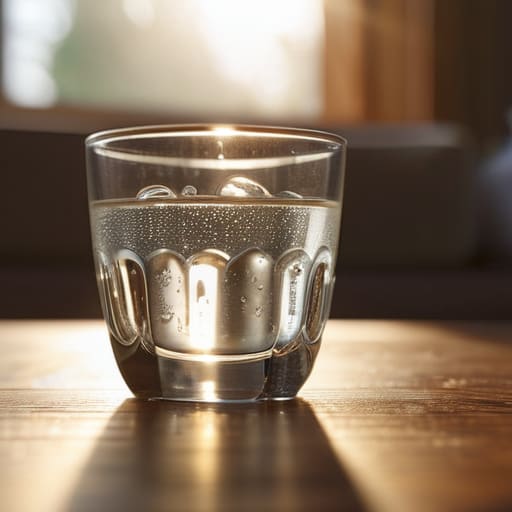
At the end of the day, staying hydrated shouldn’t feel like another project on your never-ending to-do list. We’ve spent too much time worrying about arbitrary gallon counts or chasing every new wellness trend that pops up on social media. Just remember: forget those rigid, one-size-fits-all rules and stop waiting until you’re parched to take a sip. Listen to your body, pay attention to your energy levels, and trust your own intuition over a generic infographic. If you feel sluggish or your head is thumping, your body is already telling you what it needs. It’s about practicality over perfection, every single time.
I know how it goes—between managing work deadlines and keeping a household running, the last thing you need is more mental clutter. But making hydration a simple, mindless habit is one of those small, actionable wins that actually pays off. You don’t need a fancy, filtered smart-bottle or a complex tracking app to get this right. Just keep a reusable glass nearby, grab a drink when you feel the need, and get on with your life. Let’s stop overcomplicating the basics and just focus on feeling a little more capable and a lot more refreshed. You’ve got this.
Frequently Asked Questions
Does the coffee I drink count toward my daily water total, or am I just chasing caffeine?
Here’s the short answer: Yes, your coffee counts. I used to stress about this, thinking every cup was somehow “undoing” my hydration, but that’s just unnecessary mental clutter. While caffeine has a slight diuretic effect, the water in your coffee still contributes to your overall fluid intake. Don’t let the caffeine anxiety stop you from enjoying your morning brew; just make sure you’re pairing it with actual glasses of water throughout the day.
If I'm eating lots of fruits and veggies, do I actually need to drink as much water as everyone says?
Here’s the short answer: Yes, you still need to drink water, but your food is definitely doing some heavy lifting. I’m a big believer in eating your nutrients, and those water-rich cucumbers and berries are great for hydration. But don’t let a salad fool you into skipping your glass. Think of food as a supplement to your hydration, not a total replacement. Keep sipping throughout the day to keep things running smoothly.
Is there any real benefit to drinking a massive amount of water all at once, or should I just sip throughout the day?
Look, I’ve seen people try to “chug” their way to health, thinking they can make up for a dry morning by downing a liter at lunch. It doesn’t work that way. Your body can only process so much at once; the rest just runs straight through you. If you want to actually feel hydrated, stop the chugging sessions and just keep a glass nearby. Sip consistently throughout the day. It’s about steady progress, not sudden bursts.