Sewing 101: the Fundamentals Every Beginner Should Know
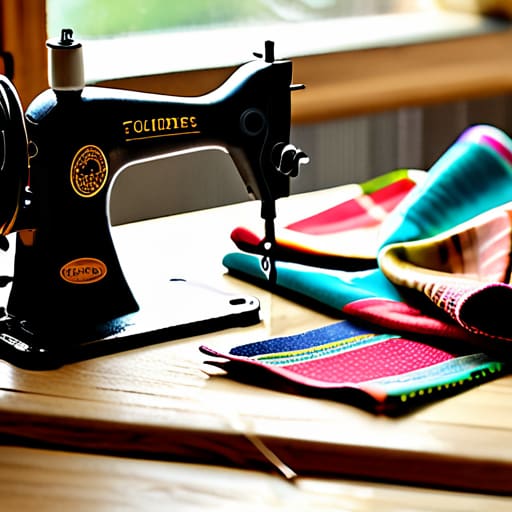
Stop letting those massive, intimidating “complete sewing masterclass” kits intimidate you. Honestly, most of those pre-packaged bundles are just a way to sell you twenty different tools you’ll never actually touch. You don’t need a professional atelier in your guest room to fix a hem or make a simple cushion; you just need to cut through the noise and master the actual sewing basics for beginners. I spent way too much money on fancy gadgets early on when all I really needed was a reliable pair of shears and a bit of confidence.
I’m not here to give you a lecture or a thirty-step academic syllabus. My goal is to give you the straight-talking essentials that actually work when you’re standing there with a pile of fabric and a deadline. We’re going to skip the fluff and focus on the small, actionable wins—the kind that turn a “project in progress” into something you can actually use. Let’s stop overcomplicating the process and just get these fundamentals down so you can start making things.
Table of Contents
Grab Your Beginner Sewing Kit Essentials
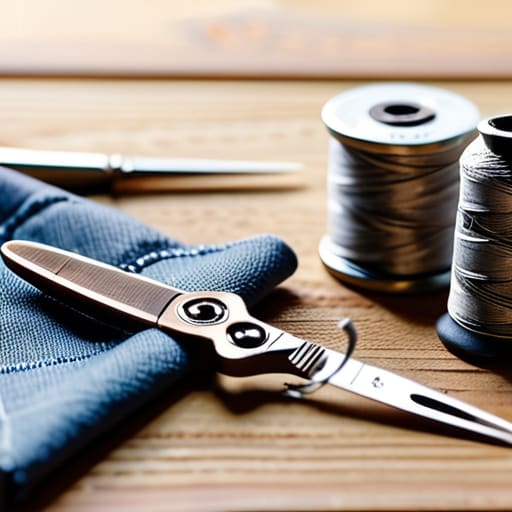
Look, you don’t need a massive, professional-grade sewing studio to get started, and you certainly don’t need to spend a fortune on fancy gadgets you’ll never use. I’ve learned through years of fixing everything from ripped curtains to my kids’ school trousers that a few high-quality basics are far more valuable than a mountain of cheap junk. To build your beginner sewing kit essentials, start with a decent pair of fabric shears—and for heaven’s sake, don’t use them on paper—a seam ripper (your new best friend), a handful of glass-head pins, and a reliable measuring tape.
Once you have your handheld tools, it’s time to talk about the heavy lifter. If you’re lucky enough to have a machine, make sure you have a small stash of different needle sizes. Having the right needle for your specific project is the simplest way to avoid frustration down the road. I always keep a little organized tin nearby with my essential sewing machine tools so I’m never hunting for a screwdriver when a tension issue pops up. Keep it simple, keep it organized, and you’re already halfway there.
Mastering How to Thread a Sewing Machine Fast
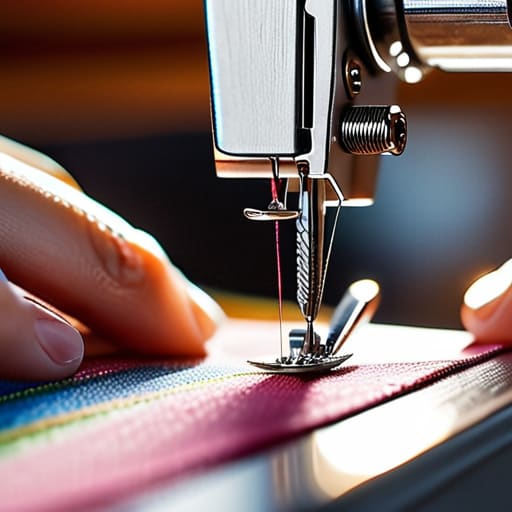
Look, I’ve been there—standing over a machine with a pile of fabric, feeling like I’m losing a battle against a piece of metal and some thread. If you’re staring at those tiny loops and feeling overwhelmed, take a breath. Learning how to thread a sewing machine isn’t about being a master technician; it’s just about following a specific path. Most machines have a numbered guide printed right on the chassis. My best advice? Don’t try to wing it. Follow those numbers religiously, even if you think you know where the thread goes.
Once you have the top thread in place, don’t forget the bobbin. A common mistake that leads to a massive headache is skipping the tension discs or failing to seat the bobbin correctly. If your machine starts making a clunking sound or the thread keeps bunching up into a “bird’s nest,” don’t panic—that’s just a sign to stop and re-thread everything. Most sewing machine troubleshooting tips boil down to one simple truth: 90% of the time, the thread just isn’t in the right track. Get it right once, and you’re good to go.
Five Ways to Keep Your Sewing Projects from Turning Into a Mess
- Don’t skimp on the thread. I know the cheap, generic stuff looks fine on the spool, but it snaps more often than not. Grab a decent quality all-purpose polyester thread; it’ll save you from having to re-thread your machine every five minutes.
- Iron as you go. This is the one thing most people skip because they’re impatient, but a seam isn’t really a seam until you’ve pressed it flat. If you don’t iron your stitches, your project will end up looking homemade in the worst way possible.
- Slow down on the pedal. I used to think speed meant I was a pro, but I was actually just creating a mountain of tangled thread in my bobbin case. Control the speed with your foot; precision beats velocity every single time.
- Use the right needle for the job. If you’re trying to sew heavy denim with a thin universal needle, you’re going to have a bad time. Match your needle weight to your fabric so you aren’t fighting the machine the whole way through.
- Embrace the seam ripper. Look, I’ve been doing this for years and I still use my seam ripper almost every single session. Mistakes happen—don’t let a crooked line ruin your mood, just rip it out and start that seam again.
Quick Wins to Keep You Moving
Don’t get paralyzed by the fancy gear; just grab the high-quality basics like decent shears and universal needles so you aren’t fighting your tools halfway through a project.
Threading your machine is just a mechanical sequence, not a mystery—master the rhythm once and you’ll stop staring at the manual every time you start a new seam.
Focus on the function of the stitch rather than perfection; the goal is to get the fabric held together securely so you can actually start seeing results.
You've Got This
Look, I know it can feel like a lot when you’re staring at a pile of fabric and a machine that seems determined to tangle your thread. But we’ve already covered the heavy lifting: you’ve gathered your essential kit, you know your way around a spool, and you’ve conquered the dreaded task of threading the machine. Once you get those foundational mechanics out of the way, the rest is just practice. Don’t worry about making everything look like it came off a high-end boutique rack on your first try. The goal isn’t perfection; it’s about building the muscle memory so that the tools eventually feel like an extension of your own hands.
My best advice? Stop waiting for the “perfect” project to start. Whether it’s a simple hem on a pair of trousers or a basic pillowcase, just pick something up and start sewing. You’re going to make mistakes, you’ll probably have to rip out a few seams, and honestly, that’s exactly how you learn. Every crooked stitch is just a stepping stone toward a more functional, creative life. So, clear off your workspace, grab that notebook to jot down what worked (and what didn’t), and just get it done. I promise, the feeling of finishing something you made yourself is worth every single frustrated minute.
Frequently Asked Questions
I’ve got my kit and I can thread the machine, but what kind of fabric should I actually start with so I don't end up frustrated?
Listen, I’ve been there—trying to sew something slippery only to end up with a tangled mess and a headache. Do yourself a favor and start with 100% cotton quilting fabric. It’s stable, it doesn’t slide around under the needle, and it’s incredibly forgiving while you’re finding your rhythm. Avoid anything stretchy or silky for now; those fabrics are beautiful, but they’ll fight you. Let’s keep the wins easy so you actually stay motivated.
Is it worth spending more on a decent machine right now, or can I really get by with one of those cheap little ones from the big-box stores?
Look, I’ve seen plenty of people get stuck with a $50 plastic machine that jams every three stitches, and honestly, that’s just more mental load you don’t need. If you’re just planning to sew a button or two, a cheap one is fine. But if you actually want to make things—or fix those inevitable wardrobe mishaps—invest in a solid, mid-range machine. It’s better to buy once and do it right than to fight your equipment every single weekend.
How do I stop my stitches from bunching up or snapping halfway through a seam?
If your stitches are bunching into a messy nest or snapping mid-seam, don’t panic—it’s usually just a mechanical hiccup. First, check your tension; if it’s too tight, the thread will snap. If it’s bunching, it’s likely the tension is too loose or your bobbin is wound unevenly. Most importantly, re-thread everything. I’ve learned the hard way that even a slightly misaligned thread can derail the whole project. Reset, re-thread, and breathe.