Staying Productive and Healthy While Working Remotely
I’m tired of seeing those glossy “lifestyle” influencers post about their aesthetic, sun-drenched home offices that look more like a museum than a workspace. Honestly, most of those curated remote work tips are nothing but expensive fluff designed to sell you a $900 ergonomic chair you don’t actually need. If you’re like me, your “office” is likely a corner of the dining room table, squeezed between a pile of mail and a half-finished project, and you’re just trying to get through your inbox without losing your mind. We don’t need more aesthetic inspiration; we need systems that actually work when life gets messy.
I’m not here to sell you a dream or a complicated productivity hack that takes three hours to set up. I’m going to give you the practical, no-nonsense strategies I’ve used to manage freelance projects and a household without burning out by noon. We’re going to focus on small, actionable wins—like setting hard boundaries and organizing your digital clutter—so you can reclaim your focus and, more importantly, your sanity. Let’s stop overcomplicating the process and just get your workday under control.
Table of Contents
Home Office Setup Essentials for a Functional Workspace
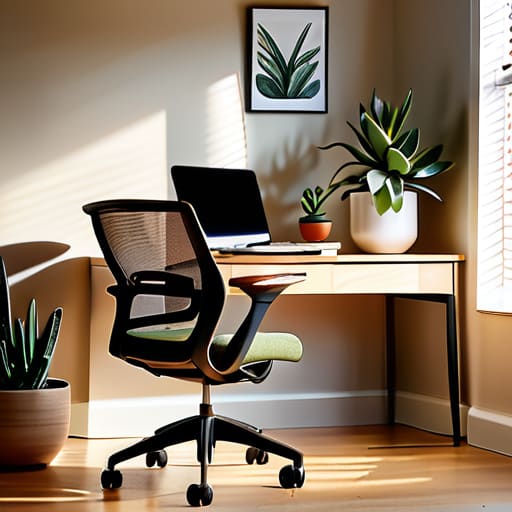
First things first, let’s talk about your physical space. I’ve learned the hard way that trying to work from the kitchen table is a recipe for a headache. If you want to actually get things done, you need to treat your workspace with the same respect you’d give a professional office. Investing in a decent ergonomic chair isn’t a luxury; it’s a necessity if you want to avoid that mid-afternoon back ache. When I was setting up my own freelance studio, I realized that home office setup essentials aren’t just about fancy gadgets, but about creating a dedicated zone that tells your brain, “Okay, it’s time to focus.”
Lighting and clutter are the silent killers of concentration. I keep a small notebook on my desk—not for scrolling, but for quick, tactile notes that keep me off my phone. Try to keep your immediate line of sight clear of anything that isn’t work-related. A messy desk leads to a messy mind, and that’s a fast track to remote work burnout prevention. Keep your essentials within arm’s reach, but if it doesn’t serve your current task, shove it in a drawer.
Remote Work Productivity Hacks That Actually Work
Let’s be honest: just because your laptop is three feet from your bed doesn’t mean you’re actually “at work.” Without a strategy, the lines blur until you’re answering emails at 9:00 PM just because the device is right there. One of my favorite remote work productivity hacks is the “fake commute.” Before I touch my keyboard, I spend fifteen minutes doing something physical—watering my plants, a quick stretch, or even just walking around the block. It signals to my brain that the workday has officially begun, which is vital for maintaining a healthy work-life balance for remote employees.
Once you’re in the zone, stop relying on your memory. I use a simple “top three” rule every morning. I write down the three most critical tasks in my notebook—the ones that actually move the needle—and I don’t let myself get distracted by minor administrative fluff until those are done. If you find yourself spiraling into a rabbit hole of endless Slack notifications, try the Pomodoro technique. Set a timer for twenty-five minutes of deep work, then actually step away for five. It’s not about working more hours; it’s about making the hours you work actually count.
Five Ways to Stop Your Workday from Bleeding Into Your Life

- Set a hard “out” time. When the clock hits five, close the laptop and physically move away from your workspace. If you don’t create a boundary, your living room will start feeling like a cubicle, and that’s a recipe for burnout.
- Use a “transition ritual” to trick your brain. I can’t just jump from laundry to spreadsheets without losing my mind. Whether it’s a ten-minute walk or just making a fresh cup of coffee, give yourself a signal that the workday has officially begun.
- Stop the “quick question” trap. If you’re constantly pinged on Slack or Teams, you’ll never get into a flow state. Block out “deep work” chunks on your calendar and turn off notifications during those windows. You aren’t being rude; you’re being productive.
- Dress for the job, even if it’s just a little bit. I’m not saying you need a blazer, but changing out of your pajamas tells your brain it’s time to be professional. It’s a small psychological win that makes a massive difference in your focus.
- Plan your lunch like a real appointment. Don’t just graze on crackers while typing. Step away from the screen, eat something actual, and let your eyes rest on something that isn’t a backlight. Your afternoon self will thank you for the mental reset.
The Bottom Line: Making Remote Work Stick
Stop treating your workspace like a temporary landing pad; invest in a setup that supports your body and your focus so you aren’t fighting physical fatigue by 3:00 PM.
Protect your boundaries by building hard stops into your schedule—when the laptop closes, the workday is actually over, and your home becomes your home again.
Forget the complex productivity apps that just create more digital clutter; stick to simple, repeatable habits that reduce your mental load instead of adding to it.
Making It Work for You
At the end of the day, remote work isn’t about mastering a complex new system or buying every expensive gadget on the market. It’s about the basics: setting up a space that doesn’t feel like a cluttered corner of your living room, implementing a few disciplined habits to protect your focus, and knowing when to step away from the screen. We’ve covered the essentials, from ergonomic setups to the productivity hacks that actually stick, but remember that these aren’t set-in-stone rules. They are simply tools to help you reclaim your time and stop your professional life from bleeding into your personal peace.
If you’re feeling overwhelmed by the transition or the constant digital noise, just take a breath and start small. You don’t need to overhaul your entire existence by Monday morning; just fix one broken process or clear one messy surface. My goal isn’t to turn you into a productivity robot, but to help you build a life where your work supports you rather than draining you. Stop overcomplicating the process and just focus on the small, actionable wins. Once you get those under control, the rest of the chaos tends to settle itself. Now, go close that laptop and enjoy your evening.
Frequently Asked Questions
How do I stop my work life from bleeding into my family time when my desk is just a few feet from the kitchen table?
Look, I’ve been there. When your “office” is just a corner of the kitchen table, the mental transition from Project Manager to Mom never actually happens. You need a physical ritual to signal the end of the day. Close the laptop, put your notebook away, and—this is the big one—physically clear the surface. If you can’t hide the desk, hide the work. If it’s out of sight, your brain can finally stop scanning for unread emails.
What are some low-cost ways to make a tiny, cramped corner feel like a professional office?
You don’t need a sprawling home office to get things done; you just need intention. Start by ditching the heavy, mismatched furniture. A slim, wall-mounted desk or even a sturdy floating shelf saves floor space and keeps things airy. Add a single, decent task lamp to define the zone—lighting is everything for focus. Finally, use vertical storage. If you can clear the desk surface of everything but the essentials, that tiny corner will instantly feel like a professional command center rather than a cluttered afterthought.
How can I stay motivated and avoid that mid-afternoon slump when there's no one around to keep me accountable?
The 3:00 PM wall is real, especially when you’re working solo. Without a boss hovering or colleagues chatting, it’s easy to let your focus drift. My rule? Don’t fight the slump; manage it. Switch tasks to something low-stakes—like clearing your inbox or organizing your physical files—or step outside for ten minutes. Movement is non-negotiable. If you try to power through a brain fog with just more caffeine, you’ll just crash harder later.