Wellness Advice for the Sedentary Professional

I spent fifteen years climbing the corporate ladder, and if there is one thing I learned, it’s that most of the advice you find online is total nonsense. You don’t need a $1,200 “smart chair” or a subscription to a meditation app to stop your neck from feeling like it’s being held together by rusty staples. Honestly, most of these expensive wellness trends are just clutter masquerading as solutions. I’m tired of seeing people waste money on gadgets when the real issue is much simpler. If you are searching for actual desk job health tips that don’t require a second mortgage, you’ve come to the right place.
I’m not here to sell you a lifestyle overhaul or a complicated ergonomic system that you’ll abandon by next Tuesday. My goal is to give you the small, actionable wins—the kind of practical adjustments I used to keep my own sanity during those endless project management marathons. We are going to focus on real-world tweaks to your setup and your movement that actually work. Let’s stop overcomplicating your workspace and just get your body functioning again.
Table of Contents
Fix Your Ergonomic Workstation Setup Once and for All
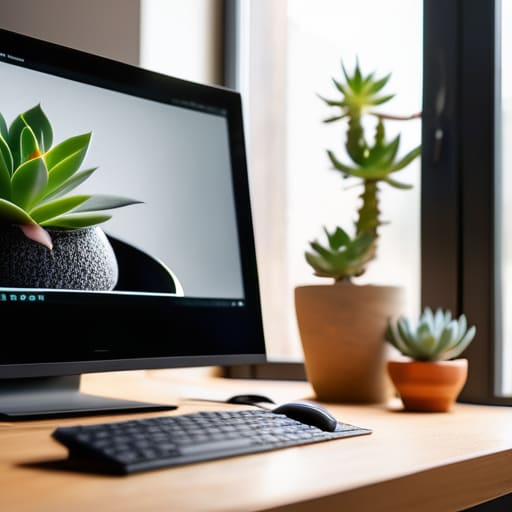
Look, we’ve all been there—hunched over a laptop like a question mark, wondering why our shoulders feel like they’ve been tightened with a wrench. If you want to stop the cycle of aches, you need to commit to a proper ergonomic workstation setup that actually works for your body, not against it. First things first: your monitor needs to be at eye level. If you’re staring down at a screen all day, you’re begging for tension headaches. Grab a stack of sturdy books or a dedicated riser if you have to; just get that screen up so your neck can stay neutral.
Next, let’s talk about your hands and feet. Your elbows should be at a 90-degree angle, and your feet need to be flat on the floor—no more dangling or crossing your legs in a way that kills your circulation. If you’re feeling particularly restless, I can’t recommend standing desk benefits enough. Even switching positions for twenty minutes every hour can make a massive difference in how your spine feels by 5:00 PM. It’s about small, intentional adjustments that keep you functional.
Quick Desk Stretches for Neck Pain That Actually Work

Look, I know the feeling. You’ve been staring at a spreadsheet for three hours, and suddenly your neck feels like it’s made of rusted iron. We’ve all been there, stuck in that “tech neck” hunch that makes you feel ten years older than you actually are. You don’t need a forty-minute yoga session to fix this; you just need to break the pattern. I’ve started incorporating a few desk stretches for neck pain into my own office wellness routine, and it’s been a game-changer for keeping that tension from turning into a full-blown tension headache.
Start with a simple chin tuck—pull your head straight back as if you’re trying to make a double chin. It feels ridiculous at first, but it resets your alignment instantly. Follow that up by dropping your ear toward your shoulder, holding for just twenty seconds on each side. If you pair these movements with a bit of eye strain relief for computer users—like the 20-20-20 rule—you’ll find you aren’t just surviving the workday, you’re actually finishing it with enough energy to enjoy your evening.
Five small wins to stop the desk-job grind from draining you

- Stop treating hydration like an afterthought; keep a decent-sized water bottle right on your desk so you aren’t constantly trekking to the kitchen just to feel human again.
- Set a “movement alarm” on your phone for every hour—it doesn’t have to be a full workout, just a two-minute walk to the window or a quick lap around the room to break the static posture.
- Use the 20-20-20 rule to save your eyes from that digital strain: every twenty minutes, look at something twenty feet away for twenty seconds. It sounds simple, but your headache will thank you.
- Stop eating lunch while staring at your monitor; even ten minutes of sitting at the kitchen table without a screen helps reset your brain and prevents that mid-afternoon burnout.
- Audit your lighting so you aren’t squinting all day; if you’re working under harsh overheads or in a dark corner, grab a small desk lamp to ease the tension in your eyes and forehead.
The bottom line for your body
Stop ignoring the small aches; if your setup isn’t working for you, fix it today rather than waiting for a permanent injury to force your hand.
Movement is non-negotiable, so treat your desk stretches like a scheduled project task—brief, frequent, and essential to your daily workflow.
Focus on small, functional wins like a better chair or a monitor riser to reduce the mental and physical load of sitting all day.
Getting Back on Track
Look, we aren’t going to reinvent the wheel here. We’ve talked about fixing your workstation so you aren’t hunched over like a question mark, and we’ve covered those quick stretches to keep your neck from seizing up halfway through a Tuesday. It really comes down to the basics: stop fighting your environment and start making small, intentional adjustments. You don’t need a complete office overhaul or a fancy standing desk subscription to see a difference; you just need to stop ignoring the warning signs your body is sending you. Whether it’s a monitor riser or a simple two-minute stretch, these tiny wins are what prevent a minor ache from turning into a chronic headache that ruins your entire evening.
At the end of the day, my goal isn’t to turn you into a wellness guru, but to help you stay functional. We spend so much of our lives staring at screens that we often forget our bodies are part of the equation, not just a vessel to carry our heads from one meeting to the next. Don’t let your career come at the cost of your physical well-being. Take these tips, pick one thing to change today, and just get it done. Your future self—the one who isn’t sitting in a chair with a stiff neck and a sour mood—will definitely thank you for it.
Frequently Asked Questions
I've tried those expensive ergonomic chairs, but I still feel stiff by 3 PM—what am I doing wrong?
Look, I’ve been there. I once spent a small fortune on a high-end chair, thinking it was a magic fix, only to end up feeling like a rusted hinge by mid-afternoon. The truth? A chair can’t do the work for you. You’re likely “stagnating.” Even the best ergonomics fail if you don’t move. Set a timer for every forty-five minutes. Stand up, shake out your legs, and reset. Movement is the real secret.
How am I supposed to find time for stretches when I'm stuck in back-to-back Zoom calls all day?
Look, I get it. When your calendar looks like a Tetris game of back-to-back Zooms, “taking a break” feels like a luxury you don’t have. But you don’t need twenty minutes; you need thirty seconds. Use the “camera off” moments. If you’re just listening, turn that video off, stand up, and roll your shoulders. Or, try the seated spinal twist right there in your chair while someone else is presenting. Small wins, even if they’re tiny.
Is it actually better to stand up every twenty minutes, or does that just end up being a distraction from my actual work?
Look, I get it—the constant movement feels like it’s sabotaging your flow. But here’s the truth: sitting static for hours is what actually drains your mental battery. You don’t need to be standing every twenty minutes; that’s overkill and a recipe for distraction. Aim for a “movement snack” every forty-five to sixty minutes instead. Stand up, stretch, or grab water. It resets your focus without turning your workday into a frantic aerobics class.