Better Sleep Starts Here: Essential Sleep Hygiene Tips
I’m so tired of seeing those glossy, expensive “wellness” guides telling you that you need a $2,000 weighted blanket and a curated aromatherapy ritual just to close your eyes. Honestly, it’s exhausting. Most of the advice floating around about sleep hygiene tips feels like it was written for people with nothing to do but meditate in silk pajamas all afternoon. For those of us actually managing a household, a career, and a mounting pile of laundry, that kind of fluff is just more mental clutter we don’t need. You don’t need a lifestyle overhaul; you just need a system that actually works when your brain won’t shut up.
I’m not here to sell you a new gadget or a complicated ten-step evening meditation. Instead, I’m going to give you the stripped-back, practical reality of what I’ve learned from years of staring at my ceiling at 2:00 AM. We are going to focus on small, actionable wins—the kind of realistic adjustments to your environment and schedule that actually move the needle. No hype, no nonsense, just the straightforward tactics you need to stop fighting your bed and finally get the rest you deserve.
Table of Contents
Optimizing Your Sleep Environment for a Functional Bedroom
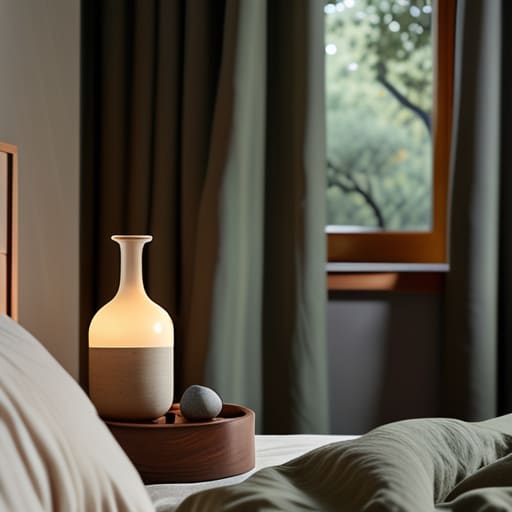
Think of your bedroom as a tool for recovery, not a secondary office or a lounge. If you’re like me, you probably have a stack of half-finished projects or a laptop charging on the nightstand, but that’s killing your ability to actually drift off. To start optimizing your sleep environment, you need to treat your bed as a sanctuary. This means clearing the clutter and, more importantly, controlling the light. I’ve found that even the tiniest LED glow from a power strip can mess with your internal clock. Switch to blackout curtains or a decent eye mask; you want your brain to realize that the workday is officially over.
Temperature is the other silent killer of a good night’s rest. I used to think a warm room was cozy, but I was wrong—it’s actually a recipe for tossing and turning. Your body needs to drop its core temperature to trigger the natural signals for rest. Aim for a room that feels slightly crisp, around 65 to 68 degrees. When you pair a cool room with minimal blue light exposure and sleep disruption, you aren’t just sleeping; you’re actually giving your body the chance to repair itself.
Natural Melatonin Production Tips to End the Midnight Toss

Look, we can spend all the money we want on high-thread-count sheets, but if your body chemistry is working against you, you’re still going to be staring at the ceiling at 2:00 AM. It really comes down to one thing: your hormones. Your brain needs a clear signal that the workday is over so it can kickstart melatonin production tips that actually work. If you’re constantly scrolling through emails or news feeds in bed, you’re essentially telling your brain it’s high noon. That constant blue light exposure and sleep disruption is a recipe for disaster.
I’ve learned through plenty of trial and error that circadian rhythm regulation isn’t some complex scientific mystery; it’s about consistency. Try to get some actual sunlight in your eyes first thing in the morning—even if it’s just for ten minutes while you drink your coffee. It sets the internal clock. Then, dim the lights in the house an hour before you want to crash. It feels a bit old-fashioned, maybe even a little boring, but improving sleep quality naturally is much easier when you stop fighting your own biology.
Five Practical Ways to Stop Overthinking Your Bedtime
- Set a “digital sunset.” I know, it sounds fancy, but it’s just about putting the phone in another room—or at least on the charger across the room—at least thirty minutes before you intend to close your eyes. Stop scrolling through news feeds that you know will just keep your brain buzzing.
- Stick to a consistent wake-up time, even on weekends. I used to think sleeping in on Saturdays was a treat, but it actually just trashes my internal clock for Monday morning. If you want to feel capable by 7:00 AM, you have to stop treating your wake-up time like a suggestion.
- Watch the caffeine cutoff. I’m a coffee lover, but I’ve learned the hard way that a 3:00 PM latte is a recipe for a 2:00 AM ceiling-staring session. Aim to have your last cup by early afternoon so your system actually has a chance to settle down.
- Create a “brain dump” ritual. If your mind starts racing with tomorrow’s to-do list the second your head hits the pillow, keep one of my signature pocket notebooks on your nightstand. Write down the chaos, get it out of your head and onto the paper, and then give yourself permission to stop thinking about it.
- Don’t treat your bed like an office. If you’re working from your duvet or watching intense movies under the covers, your brain stops associating that space with rest. Keep the bed for sleep and intimacy only; if you aren’t sleeping, get out of the bed until you actually feel tired.
The Bottom Line: Three Steps to Better Rest
Stop treating your bedroom like an office or a lounge; keep it dark, cool, and strictly for sleep so your brain knows exactly when to shut down.
Get off the screens at least thirty minutes before you want to be asleep—that blue light is a thief that steals your natural melatonin.
Consistency beats perfection every single time, so try to hit the same sleep and wake times even on the weekends to stop the constant cycle of exhaustion.
Getting It Done: Your Next Steps
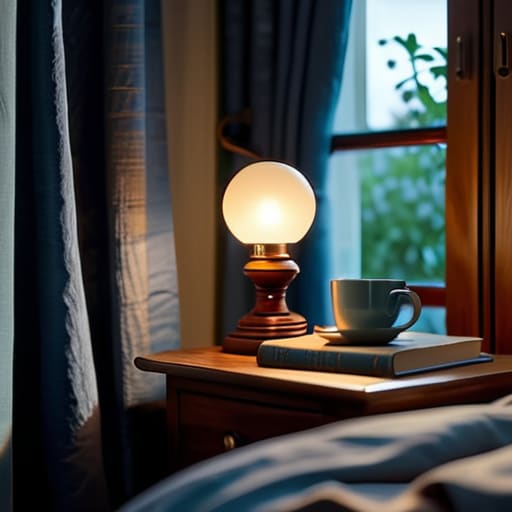
Look, I’m not asking you to overhaul your entire existence overnight. We’ve talked about cooling down your bedroom, ditching the blue light before bed, and actually giving your body a chance to produce its own melatonin. It’s about the small, mechanical shifts—the kind of incremental wins that keep a household running without you feeling like a zombie. You don’t need a high-tech sleep pod or a complicated ten-step ritual; you just need to stop fighting your biology and start setting the stage for rest. Fix your environment, set your boundaries with your devices, and treat your sleep schedule with the same respect you’d give a client meeting.
At the end of the day, sleep isn’t a luxury or something you can just “catch up on” during the weekend. It is the foundational tool that allows you to show up for your job, your family, and yourself. When you manage your sleep, you’re essentially managing your capacity to handle whatever chaos life throws at you tomorrow. Don’t get caught in the trap of perfectionism—if you miss a night, don’t spiral. Just reset, get back to the basics, and get back on track. You’ve got enough on your plate; let’s make sure you actually have the energy to handle it.
Frequently Asked Questions
I’ve tried cutting out caffeine, but I still can't sleep—is there something else in my diet that's messing with me?
It’s not just the coffee. I used to think I was fine until I realized my late-night snacking was sabotaging me. Heavy, sugary, or spicy meals right before bed force your body to work on digestion when it should be winding down. Even that “healthy” protein bar can spike your blood sugar and keep you tossing. Try to finish your last real meal a few hours before hitting the pillow. Keep it light, keep it simple.
Do I really need to invest in expensive blackout curtains, or can I fix this with cheaper DIY hacks?
Look, you don’t need to drop a paycheck on heavy velvet drapes to get some peace. I’ve spent enough weekends fixing up old houses to know that function beats fancy every time. If you’re on a budget, try some simple blackout window film or even heavy-duty adhesive foam strips around the frame to block that annoying light leak. It’s not as pretty as custom curtains, but it gets the job done without the clutter.
If I can't fall asleep after twenty minutes of tossing and turning, should I stay in bed or get up?
Get out of bed. Seriously. If you’ve been staring at the ceiling for twenty minutes, your brain is starting to associate your mattress with frustration instead of rest. Grab my little notebook, head to another room, and do something low-key—read a physical book or fold some laundry in dim light. Don’t turn on the TV or check your phone. Once you actually feel that heavy-lidded drowsiness creeping back, only then should you head back to bed.