Simple Changes for a Better Night’s Sleep Tonight
I am so tired of seeing those “luxury sleep sanctuary” ads telling you that you need a thousand-dollar weighted blanket and a specialized lavender mist to finally get some rest. Honestly, it’s exhausting. We’ve turned something as fundamental as rest into this expensive, complicated project that requires a massive budget and a dozen different gadgets. If you’re searching for how to sleep better, you don’t need a lifestyle overhaul or a shopping spree; you just need to stop fighting your own biology and clear the mental clutter that keeps you staring at the ceiling at 2:00 AM.
I’m not here to sell you on a high-end mattress or a complicated ten-step evening ritual that feels like more work. My approach is much more minimalist and functional. I want to give you the small, actionable wins—the kind of practical adjustments to your environment and your schedule that actually move the needle. We are going to cut through the fluff and focus on the straight-talking strategies that work for real people with busy, messy lives. Let’s just get your rest back on track.
Table of Contents
Optimizing Your Sleep Environment for Real Rest

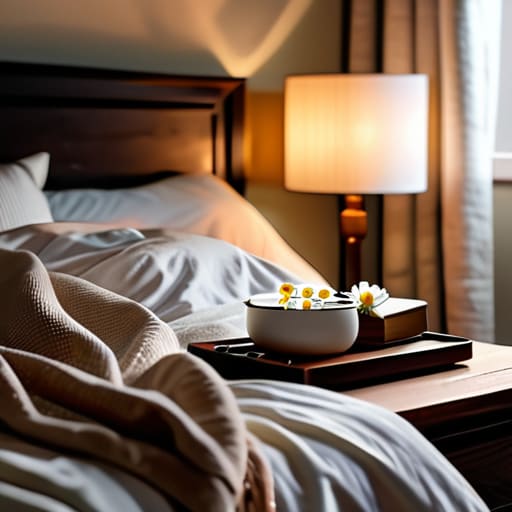
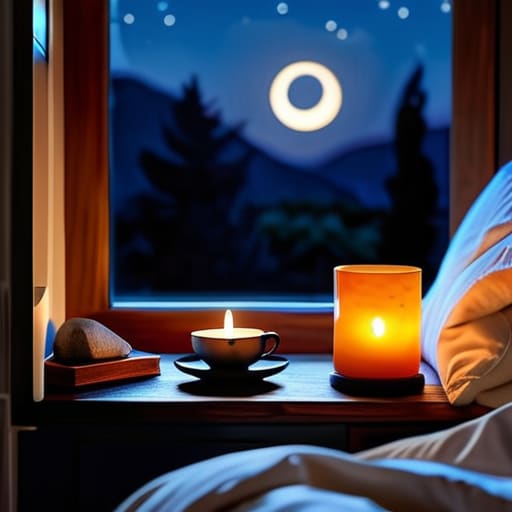
I’ve always believed that if you can’t fix a squeaky door with a bit of oil, you can at least fix your bedroom with a little intention. Most people treat their bedroom like a secondary living room, but if you want actual rest, you need to stop treating it like a multi-purpose space. Start with the light. We all know the effects of blue light on sleep are real, but it’s not just about your phone; it’s about that harsh overhead light that keeps your brain in “work mode.” I swap mine for warm, low-wattage lamps an hour before bed to help with melatonin production naturally.
Next, look at your temperature and noise levels. I’ve learned the hard way that a stuffy room is the enemy of deep sleep. You want your space cool, dark, and quiet—think of it as a sensory deprivation tank for the modern age. If you can’t control the street noise, a white noise machine is a non-negotiable tool for optimizing sleep environment stability. It’s not about fancy gadgets; it’s about removing the friction that keeps your brain on high alert.
Managing the Effects of Blue Light on Sleep

We’ve all been there: you’re finally settling in for the night, but instead of reaching for a book, you find yourself scrolling through news feeds or checking emails one last time. It feels harmless, but those screens are essentially lying to your brain. The blue light emitted from your phone or laptop tricks your system into thinking it’s still midday, which directly interferes with melatonin production naturally. When your brain thinks the sun is still up, it won’t trigger that heavy-lidded, sleepy feeling you actually need to drift off.
I used to be a victim of the “one last scroll” trap myself, but I realized that consistent circadian rhythm regulation is much easier when you stop fighting your biology. My rule of thumb is simple: sixty minutes before bed, the screens go away. If you absolutely must use a device, switch it to “night mode” or grab a pair of amber-tinted glasses. It isn’t about being perfect or living like a monk; it’s about making small, intentional adjustments so your body actually knows when it’s time to power down.
Five Small Wins for a Better Night’s Sleep

- Stop treating your bed like a second office; if you aren’t sleeping or being intimate, get out of the bedroom so your brain stops associating your mattress with stress and spreadsheets.
- Pick a consistent wake-up time—yes, even on Saturdays—because your internal clock doesn’t care about your weekend plans, and consistency is the only way to stop that morning grogginess.
- Cut the caffeine by 2:00 PM sharp; I know, it’s hard, but that afternoon latte is still circulating in your system long after you think it’s gone, sabotaging your ability to actually drift off.
- Write down your “to-do” list before you hit the pillow; if those mental grocery lists and project deadlines are swirling in your head, get them out of your brain and onto paper so your mind can finally clock out.
- Watch what you eat for dinner; heavy, spicy, or overly sugary meals right before bed are just asking for indigestion and a restless night, so keep it light and simple in the evenings.
The Bottom Line for Better Rest
Stop chasing perfection with fancy gadgets; focus on the basics like a cool room and a dark space to actually let your brain shut down.
Treat your evening wind-down like a project deadline—set a hard stop for screens so your mind has time to transition out of “work mode.”
Consistency beats intensity every single time, so pick a realistic bedtime and stick to it, even on the weekends, to stop the constant cycle of exhaustion.
Getting It Done: Your Path to Better Rest

Look, I know it feels like there are a million things to fix when you’re staring at the ceiling at 2:00 AM, but you don’t need a complete lifestyle overhaul to see a difference. We’ve talked about the big stuff—turning your bedroom into a sanctuary that actually supports rest and being smarter about how that blue light from your phone messes with your brain. It really comes down to the fundamentals: dimming the lights, cooling down the room, and setting some boundaries with your devices. You don’t have to master every single sleep hack overnight; just pick one or two of these adjustments and make them non-negotiable parts of your evening routine.
At the end of the day, sleep isn’t some luxury or a reward you earn after a perfect day; it is the very foundation that allows you to handle everything else life throws at you. When you prioritize your rest, you aren’t being lazy—you’re being intentional about your capacity to show up for your job, your family, and yourself. Stop treating sleep like an afterthought and start treating it like the essential maintenance it is. Take a breath, put the phone in another room, and just go to bed. You’ll thank yourself in the morning.
Frequently Asked Questions
What do I do if my brain just won't shut off the second my head hits the pillow?
Look, I’ve been there. You lay down, and suddenly your brain decides it’s the perfect time to audit your entire career or replay an awkward conversation from 2004. When that happens, stop fighting it. Get out of bed. Go to a different room, grab one of my little notebooks, and do a “brain dump.” Write down every nagging thought or tomorrow’s to-do list. Once it’s on paper, your brain can finally stop trying to hold onto it.
Is it actually worth investing in expensive blackout curtains, or can I just use a cheap sleep mask?
Look, if you’re on a budget, don’t go dropping hundreds on heavy velvet drapes just yet. A decent sleep mask is a massive win for a fraction of the cost—it’s an immediate fix for light pollution. However, if you find the mask annoying or it keeps slipping off, that’s when I’d suggest the curtains. They solve the problem for the whole room, not just your face. Start with the mask; upgrade if you need to.
How do I stay consistent with a sleep schedule when my work meetings or kids' activities keep shifting?
Look, life doesn’t happen in a vacuum, and my schedule certainly doesn’t either. When the kids have late practice or a meeting runs long, don’t try to force a perfect 9:00 PM bedtime—you’ll just end up staring at the ceiling frustrated. Instead, focus on your wake-up time. Even if you go to bed late, try to get up at the same time most days. It stabilizes your internal clock much faster than chasing a bedtime you can’t hit.