Delicious Meals That Won’t Break Your Budget

I am so tired of seeing those “budget” meal plans online that require twenty different exotic spices and a trip to a specialty organic market just to make a single dinner. It’s a total myth that eating well has to be a massive, expensive production, and quite frankly, it’s a waste of your time and your hard-earned money. If a recipe calls for ingredients you’ll only use once, it isn’t helping your bottom line; it’s just adding to the mental clutter in your pantry. I’ve learned the hard way that true budget friendly meals are built on staples you already own and simple, repeatable patterns, not complicated grocery lists that leave you staring blankly at the fridge at 6:00 PM.
I’m not here to give you a lecture on gourmet cooking or suggest you spend your entire weekend meal prepping in a designer kitchen. Instead, I’m going to share the practical, no-nonsense strategies I use to keep my family fed without breaking the bank or losing my mind. We’re going to focus on high-impact, low-effort wins that actually work in a real, busy household. Let’s stop overcomplicating the kitchen and just get dinner on the table.
Table of Contents
Low Cost Grocery Shopping Tips That Actually Work
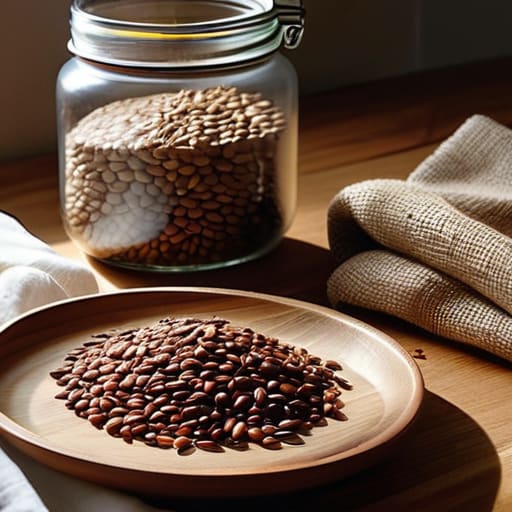
First, let’s get real: the grocery store is designed to make you overspend. Those bright end-cap displays and “buy one, get one” deals on things you don’t actually need are just distractions. To stay on track, I’ve learned that the secret is sticking to a strict list and focusing on economical pantry staples like dried lentils, rice, and oats. These items are the backbone of a functional kitchen because they are cheap, shelf-stable, and can be transformed into a dozen different meals with just a little creativity.
Another thing that saved my sanity (and my bank account) was mastering bulk cooking strategies. Instead of buying pre-packaged, expensive frozen meals, I spend a Sunday afternoon making a massive pot of chili or a large batch of roasted vegetables. You can freeze these in individual portions, which is perfect if you’re looking for single serving budget recipes during a hectic work week. It cuts down on the impulse to order takeout when you’re too tired to cook, and that’s usually where the real money leaks out of your budget.
Economical Pantry Staples to Keep Your Kitchen Running

If you want to stop the “what’s for dinner?” panic at 6:00 PM, you need to stop viewing your pantry as a storage unit and start seeing it as your primary tool for efficiency. I always tell my consulting clients that a well-stocked pantry is like a well-managed project timeline: it provides the foundation that prevents everything else from falling apart. Focus on building a collection of economical pantry staples that act as versatile building blocks. I’m talking about the heavy hitters: dried lentils, brown rice, canned tomatoes, and oats. These aren’t just cheap; they are the backbone of bulk cooking strategies that allow you to turn a single bag of beans into three different meals throughout the week.
Don’t get distracted by the flashy, single-use ingredients in the middle aisles. Instead, invest in flavor enhancers like olive oil, soy sauce, and a solid spice rack. When you have these on hand, even a basic bowl of rice and beans feels like a deliberate meal rather than a last-resort scramble. This isn’t about deprivation; it’s about eating well on a tight budget by ensuring you always have a functional starting point for any recipe.
Five Ways to Stop Guessing and Start Saving on Dinner
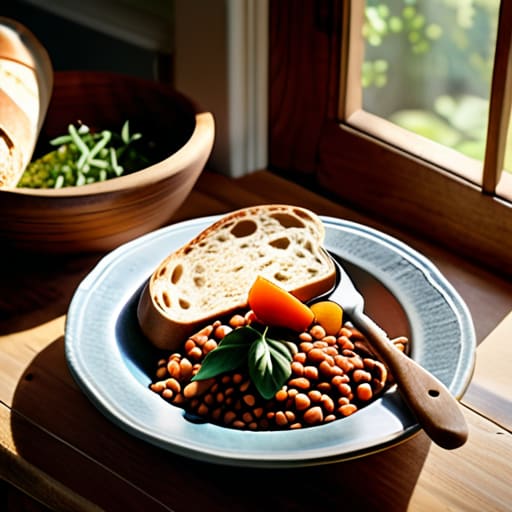
- Build your menu around what’s already in your pantry. Before you even look at a grocery flyer, check those middle shelves; if you have a bag of lentils and some dried pasta, you’re already halfway to a meal without spending another dime.
- Embrace the “Cook Once, Eat Twice” rule. I don’t have the bandwidth to cook every single night, so I make a double batch of protein—like roasted chicken or seasoned beans—and use the leftovers for a completely different dish the next day.
- Stop buying pre-cut produce. It’s a convenience trap that eats your budget alive; buy the whole head of lettuce or the block of cheese and spend ten minutes prepping it yourself—it’s a small trade-off for much bigger savings.
- Stick to a seasonal rhythm. I’ve learned the hard way that buying berries in January is just throwing money away; stick to what’s actually in season to get the best flavor and the lowest price tags.
- Keep a “Emergency Meal” list for those chaotic weeknights. When the kids are hungry and my brain is fried, I don’t want to be scrolling through Pinterest; have three go-to, low-cost meals—like breakfast for dinner or simple quesadillas—ready to go so you don’t end up ordering expensive takeout.
The Bottom Line: How to Eat Well Without Breaking the Bank
Stop chasing every new food trend and stick to a repeatable rotation of versatile staples; consistency is your best friend when the budget gets tight.
Shop your own pantry before you hit the store—half the battle is just realizing you already have the ingredients to make a decent meal sitting in the back of the cupboard.
Focus on “component cooking” rather than complex recipes, using bulk proteins and grains to build different meals throughout the week to minimize waste and maximize every dollar.
Making It Stick
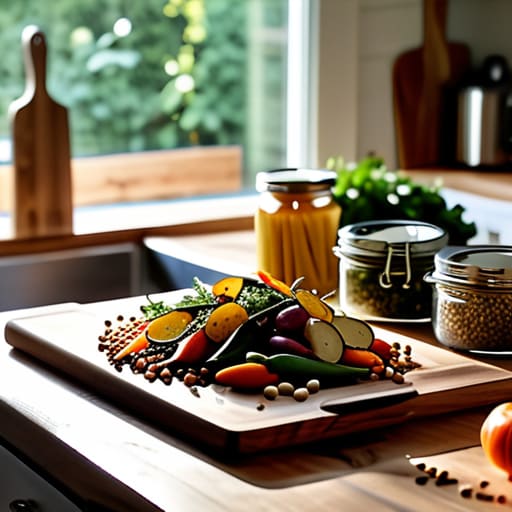
At the end of the day, eating well on a budget isn’t about some complicated culinary magic or living on nothing but instant noodles. It’s about the basics we’ve talked about: being smart at the grocery store, keeping those versatile pantry staples stocked, and actually having a plan before you walk through the door. When you stop impulse buying and start leaning on what you already have in the cupboard, you’ll notice the mental load starts to lift. It’s not about being perfect every single night; it’s about building a system that works for your real life, not some idealized version of it. Once you have these small wins under control, the kitchen stops feeling like a source of stress and starts feeling like a functional part of your home again.
I know how it feels when the chaos of a busy week makes you want to just give up and order takeout, but I promise you, it is worth the effort. Start small. Pick one thing from this list to implement this week—maybe it’s just buying a bigger bag of rice or finally writing that grocery list—and see how much lighter you feel. You don’t need a gourmet kitchen or a massive paycheck to feed your family well; you just need a bit of intentionality and the willingness to just get it done. You’ve got this.
Frequently Asked Questions
How do I make these cheap pantry staples actually taste good so my family doesn't complain?
Look, I get it. Nobody wants to eat “sad” beans or bland rice every night. The secret isn’t expensive ingredients; it’s about layering flavor. Never underestimate the power of an acid—a squeeze of lime or a splash of vinegar can wake up a heavy lentil stew instantly. Also, keep some decent spices and aromatics like garlic and onion on hand. It’s about technique, not a massive grocery bill. Let’s make it delicious.
Is it really worth the extra time to meal prep on Sundays, or am I just adding more to my mental load?
Look, I get it. After a long week, the last thing you want to do is stand over a stove for three hours. But here’s the truth: if you aren’t prepping, you’re paying a “decision fatigue tax” every single night. I’ve found that I don’t need to cook full meals; I just prep the components—chopped veggies, a batch of grains, or a roasted protein. It’s about reducing friction, not adding chores.
What are some quick, budget-friendly dinner ideas for those nights when I'm too exhausted to cook anything from scratch?
Look, we’ve all had those Tuesdays where the mental load is just too heavy to even think about a recipe. On those nights, I lean on “assembly meals” rather than actual cooking. Think rotisserie chicken shredded over bagged salad, or a quick black bean quesadilla using those pantry staples we talked about. Keep it simple: one protein, one veg, one grain. It’s not gourmet, but it’s fed the family and kept the kitchen clean.