Everything You Need to Deep Clean Your Entire House
I was staring at a pile of dust bunnies under my mid-century sideboard last Tuesday, feeling that familiar, heavy weight in my chest, when I realized I was doing it again. I was scrolling through those endless, thirty-page “ultimate” guides online, feeling more overwhelmed by the sheer volume of tasks than I was actually motivated to clean. Let’s be honest: most of those viral deep cleaning checklist templates are designed to make you feel like you’re failing at life if you don’t spend three days scrubbing your baseboards with a toothbrush. They are completely impractical for anyone who actually has a job, a family, or a life that doesn’t revolve around a vacuum cleaner.
I’m not here to sell you on a lifestyle overhaul or a dozen specialized chemical sprays you’ll never use again. Instead, I’ve distilled my years of project management—and my own frantic attempts to keep a suburban house from falling apart—into a no-nonsense deep cleaning checklist that actually works. I’m going to show you how to tackle the grit and the grime in manageable, logical stages so you can reclaim your space without losing your mind. We’re going to stop overcomplicating the process and just get it done.
Table of Contents
Essential Deep Cleaning Supplies List to Get Started
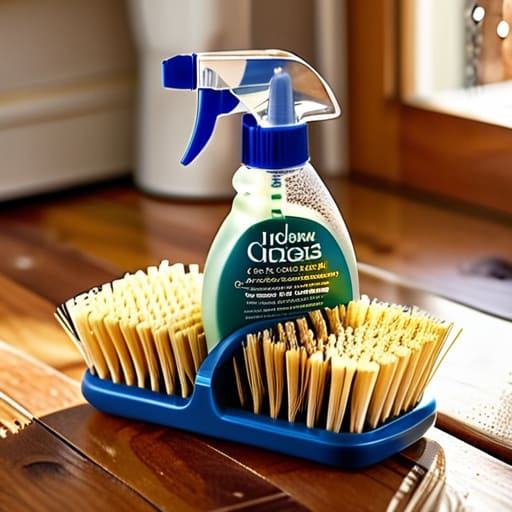
Before you dive into the heavy lifting, let’s talk gear. I’ve learned the hard way that nothing kills my momentum faster than being halfway through a task and realizing I’m out of degreaser. You don’t need a garage full of specialized chemicals to get the job done, but you do need a solid deep cleaning supplies list to avoid those mid-project trips to the store. Grab a sturdy caddy so you can carry everything from microfiber cloths to an all-purpose cleaner from room to room without making ten trips.
For the heavy hitters, I always keep a bottle of white vinegar and some baking soda on hand—they are the unsung heroes of any spring cleaning tips for home. You’ll also want a stiff-bristled brush for grout and a high-quality vacuum with attachments for those stubborn corners. If you’re figuring out how to deep clean kitchen appliances or grease-caked vent hoods, a decent citrus-based degreaser is non-negotiable. Get your tools organized first; it makes the actual work feel a lot less daunting.
A Simple Room by Room Cleaning Tasks Strategy

Instead of trying to tackle the whole house in one frantic weekend—which is a one-way ticket to burnout—I prefer to break everything down into manageable bites. My go-to approach is a structured room by room cleaning tasks strategy. I treat my home like a project with specific milestones; you wouldn’t try to build a whole house in a day, so don’t try to scrub every baseboard in the building at once. Pick one zone, set a timer, and stay there until that specific area is done.
When I’m mapping out my seasonal cleaning schedule, I always start with the high-traffic areas like the kitchen and bathrooms. For example, if you’re wondering how to deep clean a kitchen without losing your mind, don’t just wipe the counters. Focus on the things we usually ignore: the top of the fridge, the inside of the dishwasher filter, and those greasy cabinets above the stove. Once you master one room, the momentum carries you into the next. It’s about building small wins that eventually lead to a completely refreshed space.
5 Ways to Stop the Cleaning Burnout Before It Starts

- Work top to bottom, always. It sounds basic, but if you vacuum the floors first and then dust the ceiling fans, you’re just cleaning the same floor twice. Gravity is a thing; let the dust fall where it can so you only have to clean it once.
- Don’t try to do the whole house in one Saturday. That’s a recipe for a headache and a half. I’ve learned that tackling one room—or even just one zone like the pantry—per day keeps the momentum going without making you feel like you’ve lost your entire weekend.
- Use the “two-minute rule” for the little things. If you see a smudge on a window or a pile of mail that needs sorting, deal with it immediately. These tiny tasks are what turn a “quick tidy” into a “deep clean” nightmare if you let them pile up.
- Set a timer and actually stick to it. I used to wander aimlessly around the kitchen, picking up random objects. Now, I set a timer for 30 minutes of focused scrubbing. When it dings, I take five minutes to breathe. It keeps the task from feeling like an endless marathon.
- Keep your supplies close at hand. There is nothing more frustrating than being halfway through scrubbing the tub only to realize you left the degreaser in the pantry. I keep a small caddy for each floor of the house so I’m never wasting time walking back and forth.
Three Things to Remember Before You Start
Don’t try to tackle the whole house in one weekend; pick one room or even one corner at a time so you don’t burn out by noon.
Focus on the high-impact areas—like baseboards and light fixtures—that actually make a space feel refreshed rather than just moving dust around.
Keep your supplies organized and within reach so you aren’t wasting half your momentum hunting for a specific spray or a clean rag.
Reclaiming Your Space

Look, I know that staring at a massive checklist can feel like looking at a mountain you aren’t prepared to climb. But remember, we’ve already broken the back of this project by gathering your supplies and mapping out a room-by-room strategy. You don’t need to tackle the entire house in one frantic afternoon; you just need to follow the plan and take it one surface at a time. Whether you’re scrubbing baseboards or finally tackling that neglected pantry, the goal isn’t perfection—it’s systematic progress. Once you check off those major zones, you’ll realize the chaos wasn’t actually permanent; it was just waiting for you to step in and organize it.
At the end of the day, deep cleaning isn’t about achieving a magazine-ready showroom; it’s about reducing that heavy mental load we all carry. When your environment is clear, your mind finally has the breathing room to settle. I’ve found that the real reward isn’t just a shiny countertop, but the calm and capable feeling that comes from knowing your home is actually working for you, rather than against you. So, put the phone down, grab your notebook, and just get started. You’ve got this, and I promise the peace of mind is well worth the effort.
Frequently Asked Questions
How do I tackle a deep clean without feeling completely overwhelmed by the sheer scale of it?
Look, I get it. Staring at a whole house that needs work feels like staring at a mountain you didn’t ask to climb. My rule? Stop looking at the mountain and just look at your feet. Don’t try to “clean the house”; just clean one drawer, or one countertop, or even just one corner of the living room. Set a timer for twenty minutes. When it dings, you’re done. Small wins kill overwhelm every single time.
Is it better to clean one room at a time or focus on one type of task (like dusting) across the whole house?
Honestly, if you’re feeling overwhelmed, stick to one room at a time. There’s nothing more demoralizing than dusting the entire house only to realize you haven’t actually scrubbed a single sink. When you finish a room completely, you get that immediate sense of accomplishment—a small win that keeps you moving. Save the “task-based” approach for your weekly maintenance; for a deep clean, focus on finishing one space before moving to the next.
How often should I actually be doing a deep clean versus just my regular weekly tidy-up?
Look, I don’t believe in arbitrary rules, but I do believe in rhythm. Think of your weekly tidy-up as maintenance—it keeps the chaos at bay. Deep cleaning is different; it’s about resetting the system. I usually aim for a full deep clean once every quarter, or maybe every three months. If you wait longer, it becomes a mountain you can’t climb. Keep the weekly stuff light, and tackle the heavy lifting seasonally.