Fun Rainy Day Activities: Easy Crafts for Kids
Look, I get it. You’re staring at a pile of unfolded laundry, your inbox is blowing up, and the kids are currently treating your living room like a high-stakes obstacle course. We’ve all been there—that moment where you realize you desperately need a way to occupy them without turning your entire house into a glitter-covered disaster zone. I used to think finding decent kids craft ideas meant spending a fortune on specialized kits or spending three hours cleaning up dried glue, but I’ve learned that real productivity comes from working smarter, not harder.
I’ve narrowed it down to five specific, low-maintenance projects that actually work for busy parents who value their sanity. These aren’t those overly complicated Pinterest projects that require a degree in engineering; these are quick, actionable wins designed to keep little hands busy and minds engaged. By the time you finish reading this, you’ll have a toolkit of activities that minimize the mess and maximize the quiet time you so desperately need to actually get things done. Let’s dive in.
Table of Contents
The Cardboard Box Buffet
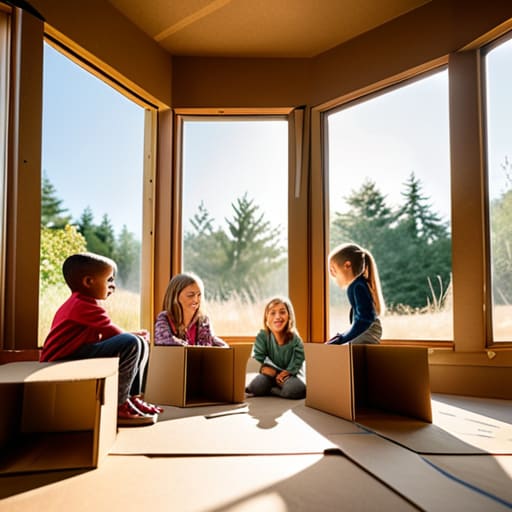
We all have a mountain of delivery boxes sitting by the door, and frankly, they are a goldmine if you stop seeing them as trash. Instead of fighting the clutter, pull out those Amazon boxes and some masking tape to create a low-stakes construction zone. I’ve learned that kids don’t need expensive plastic playsets; they just need a large enough surface to imagine they’re building a fortress or a spaceship.
Nature’s Paintbrushes

If you can manage to get the kids outside for even ten minutes, you can scavenge for the best art supplies imaginable. I like to grab a handful of fallen pine needles, sturdy twigs, or even those large, interesting leaves that blow into the yard. These aren’t just debris; they are natural textures waiting to be pressed into some tempera paint.
The Pasta Necklace Project
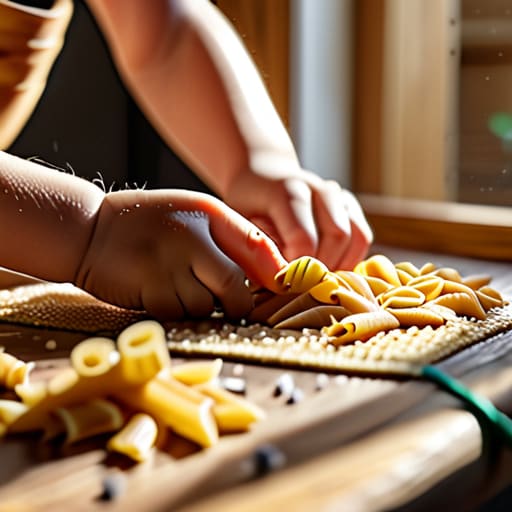
This is my go-to when I need to sit at the kitchen table and actually focus on my freelance consulting work. Grab a box of dried penne or rigatoni—the thicker, the better—and some colorful acrylic paint if you’re feeling ambitious. If you want to skip the mess of paint, just use the plain pasta; it still works wonders for fine motor skill development.
DIY Salt Dough Sculptures
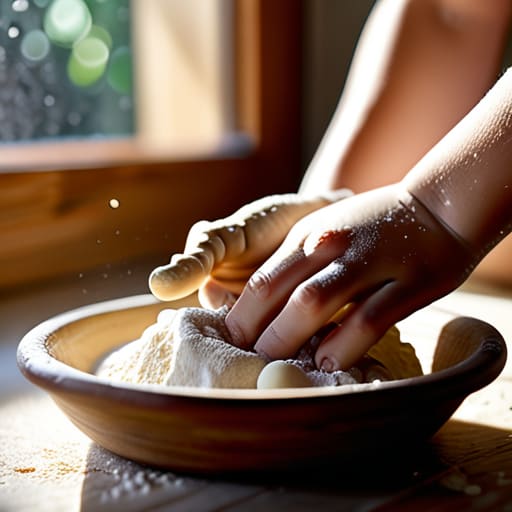
When the kids are craving something tactile but you don’t want to deal with the chaos of store-bought modeling clay, make your own salt dough. It’s just flour, salt, and water—pantry staples that I always keep on hand for these exact moments. I usually mix it up in a single large bowl and let them knead it, which is surprisingly therapeutic for restless hands.
Sticker Collage Chaos
Let’s be honest, sometimes we don’t have the mental bandwidth for a “project” that requires heavy supervision. In those moments, I reach for the sticker sheets. I keep a few packs of simple shapes or animals in my junk drawer specifically for this purpose. All you need is a piece of construction paper and a steady supply of adhesive to keep the peace.
The Bottom Line: Keep It Simple
Don’t aim for perfection; the goal is engagement and a little bit of peace for you, not a museum-quality masterpiece.
Prep your supplies ahead of time so you aren’t hunting for scissors while the kids are already losing interest.
Embrace the mess—it’s much easier to clean up a controlled craft session than it is to manage a bored, restless household.
Done and Dusted
At the end of the day, whether you’re setting up a low-mess collage station or diving into some recycled cardboard construction, the goal isn’t to produce a masterpiece that belongs in a museum. It’s about finding those small pockets of time where the kids are deeply engaged and you can actually breathe for a second. We’ve covered everything from simple glue-and-scrap projects to more structured sensory play, and the common thread is that none of these require a massive budget or a degree in fine arts. You don’t need a dedicated craft room or a mountain of expensive supplies to make this work; you just need a clear surface and a bit of intentional setup to keep the chaos contained.
I know how easy it is to look at a pile of glitter or a messy table and feel that immediate spike of stress, but I’m telling you: let it go. The mess is temporary, but the mental break you get while they’re focused is completely worth it. Stop waiting for the “perfect” moment of calm to start being productive—sometimes, the best way to reclaim your afternoon is to lean into the creative mess and just let them build something. Grab those scraps, clear a spot on the kitchen table, and just get it done.
Frequently Asked Questions
How do I keep the kids from turning a simple craft project into a permanent stain on my dining room table?
Listen, I’ve learned this the hard way through two teenagers and a lot of spilled tempera paint. The secret isn’t more supervision; it’s boundaries. First, lay down a heavy-duty plastic tablecloth—the cheap kind you can toss after. Second, set a “station.” If the glue stays on the tray, we’re winning. And honestly? If it looks like a disaster waiting to happen, move the project to the kitchen floor. Protect your surfaces so you aren’t scrubbing stains later.
Are there any ways to do these activities without spending a fortune on specialized supplies every single week?
Look, I get it. If we spent a fortune on specialized kits every time the kids got restless, I’d be bankrupt by Tuesday. The secret is to stop shopping and start scavenging. I keep a “maker bin” in the pantry for cardboard scraps, empty egg cartons, and toilet paper rolls. Most of what you need is already in your recycling bin. Grab some masking tape and some old magazines, and you’re good to go.
What should I do when a project inevitably goes sideways and the kids lose interest halfway through?
Look, I’ve been there. I once tried to teach my teenager how to refinish a side table, and twenty minutes in, they were staring blankly at their phone. When a project stalls, don’t force it—that’s just a recipe for a meltdown. Pivot. If the craft is dead, pack the supplies away immediately so they aren’t staring at a mess. Switch to something low-stakes, like a quick snack or a walk, and try again another day.