The Hardiest Houseplants for Black Thumbs
Look, I get it. You walk into a nursery, see a sea of lush green leaves and expensive ceramic pots, and suddenly you feel like you’ve failed at being an adult before you’ve even bought a single thing. You want that calming, lived-in vibe, but your track record with greenery is basically a graveyard of dried-up stems and brown leaves. The truth is, most people fail at gardening because they buy for the aesthetic rather than the environment they actually live in. If you want to stop the cycle of guilt and wasted money, you need to stop looking at what’s pretty and start looking at what’s actually resilient. Finding the right houseplants for beginners isn’t about having a green thumb; it’s about strategic selection.
I’m not here to give you a lecture on soil pH or humidity percentages—I don’t have the time, and frankly, neither do you. Instead, I’ve narrowed it down to five specific, hard-to-kill options that can survive your busy schedule and your occasional forgetfulness. I’m going to show you exactly which plants can handle a little neglect and still look fantastic in your home. By the end of this, you’ll have a foolproof game plan to turn your space into a sanctuary without the constant anxiety of another plant dying on your watch.
Table of Contents
The Indestructible Snake Plant

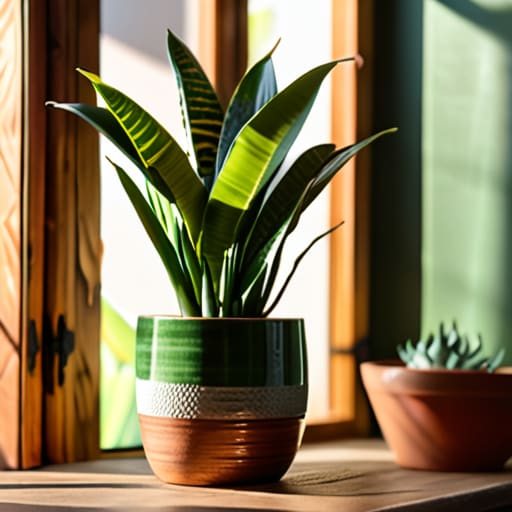
If you’re anything like I was ten years ago, you probably have a habit of forgetting things exist until they’re practically dead. The Snake Plant is your new best friend because it actually thrives on neglect. You don’t need to hover over it with a watering can every Tuesday; in fact, the more you fuss, the more likely you are to mess it up. Just stick it in a corner with decent light and let it be.
Pothos: The Living Vine

I like to call the Pothos my “training wheels” plant. It’s incredibly forgiving, and more importantly, it actually talks to you. When it’s thirsty, the leaves will start to droop just a little bit, giving you a clear, visual signal that it’s time for a drink. Once you water it, it perks right back up, which is a great way to learn the rhythm of plant care without the high stakes.
ZZ Plant: The Low-Light Legend

We all have those dark corners in our houses—the ones behind the sofa or in that awkward hallway nook where nothing ever seems to thrive. That is exactly where the ZZ Plant belongs. It has these beautiful, waxy green leaves that look almost too perfect to be real, and it can handle much lower light levels than most other greenery.
Spider Plant: The Busy Household Hero

If you have kids or pets running around, you need something that can handle a bit of chaos. The Spider Plant is tough, adaptable, and surprisingly fun to watch. It produces these little “babies” on long stems that dangle down, which eventually look like tiny little spiders hanging from a web. It’s a great way to add some visual movement to a room without needing a complicated setup.
Peace Lily: The Sophisticated Survivor
If you want something that feels a little more “grown-up” and elegant, go with a Peace Lily. It has these striking white blooms that can really elevate a room, making it feel less like a workspace and more like a curated home. It’s a bit more expressive than the Snake Plant, but it’s still incredibly hardy and reliable for someone just starting out.
The Bottom Line
Stop looking for the “perfect” plant and just pick one that matches your actual lifestyle—if you forget to water things, go for a succulent, not a fern.
Don’t let the fancy shop descriptions intimidate you; most of these plants just need a decent light source and a little bit of consistency.
If a leaf turns yellow, don’t panic or throw the whole thing out—just check the soil, adjust your routine, and keep moving.
The Bottom Line
Look, we’ve covered a lot of ground here, but if you walk away with nothing else, remember this: you don’t need a green thumb to have a life filled with greenery. Whether you’re starting with a hardy snake plant or a low-maintenance pothos, the secret isn’t in a complicated watering schedule or expensive fertilizers. It’s about matching the plant to your actual lifestyle, not the lifestyle you wish you had. Stop worrying about the “perfect” setup and just pick one of these five, find a spot with decent light, and start small. If you lose a leaf or two along the way, don’t sweat it; it’s just part of the learning curve.
At the end of the day, my goal isn’t to turn your living room into a botanical garden that requires a full-time caretaker. I want you to have a space that feels alive and intentional without adding more clutter to your mental load. Plants are meant to bring a sense of calm to your home, not a sense of dread every time you walk through the front door. So, grab a pot, get your hands a little dirty, and just get it done. You might be surprised at how much a little bit of unexpected life can transform your space and your mood.
Frequently Asked Questions
Do I really need to buy special potting soil, or can I just use whatever is sitting in the garage?
Look, I get it—the temptation to grab that old bag of dirt from the garage is real, especially when you just want to get the job done. But please, don’t do it. That old stuff is usually packed too tight, lacks nutrients, and might even harbor pests. If you want to avoid the headache of a dying plant, just grab a bag of decent, pre-mixed indoor potting soil. It’s a small investment to save you a massive cleanup later.
How do I know if I'm actually overwatering them or if the plant is just being dramatic?
Look, I get it. Plants can be incredibly dramatic. If the leaves are yellowing and feeling mushy, you’re definitely overwatering—that’s root rot setting in, and it’s not a performance. But if they’re just wilting slightly while the soil is bone-dry, they’re actually thirsty. My rule of thumb? Stop guessing and use your finger. Stick it two inches deep into the soil. If it feels damp, walk away. If it’s dry, grab the watering can.
My house doesn't get a ton of natural light—is there any point in even trying, or am I just setting myself up for failure?
Listen, I’ve been there. I once tried to keep a fiddle leaf fig in my dim hallway, and it died a slow, dramatic death. It was a waste of money and mental energy. But don’t throw in the towel just yet. There is absolutely a point to trying; you just have to stop fighting your architecture. Pick the right survivors—like ZZ plants or pothos—and stop treating a low-light corner like a sunroom.