The Must-have Tool Kit for Every New Diyer
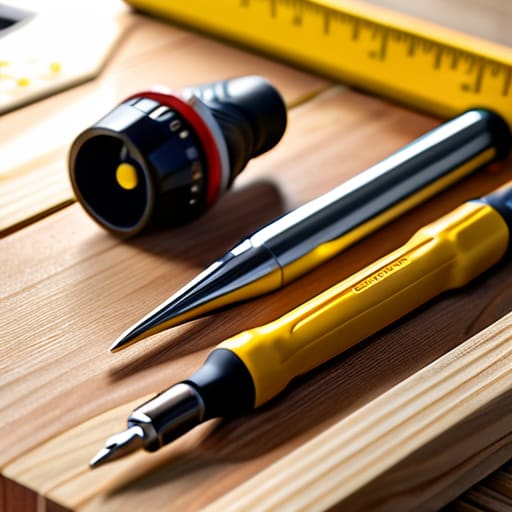
I was halfway through refinishing a 1960s teak sideboard last Tuesday when I realized I’d spent forty minutes hunting for a screwdriver that I knew I’d left under a pile of sandpaper. It’s that specific, low-grade frustration—the kind that makes you want to close the workshop door and just walk away—that usually kills a project before it even starts. Most people think you need a garage full of expensive, professional-grade machinery to tackle home repairs, but let me tell you: that’s a lie designed to empty your wallet. You don’t need a workshop that looks like a construction site; you just need the right essential tools for diy to stop the bleeding and actually get the job done.
I’m not here to sell you on a twenty-piece cordless drill set that you’ll only use once a year. My goal is to give you a no-nonsense roadmap of the actual, heavy-hitting basics that will help you fix a loose hinge, hang a shelf, or tackle a weekend restoration without the headache. We’re going to focus on quality over quantity so you can spend less time searching for gear and more time actually enjoying your home.
Table of Contents
Build Your Home Improvement Starter Kit Without the Stress

Look, I’ve seen too many people walk into a big-box hardware store and come out with a mountain of expensive gadgets they’ll never actually use. That’s not how we do things here. When you’re building your first home improvement starter kit, the goal isn’t to own every shiny new thing on the shelf; it’s about having the right thing when a cabinet door starts sagging or a light fixture needs swapping. Start with a solid foundation of quality hand tools—a reliable hammer, a multi-bit screwdriver, and a decent tape measure—before you even think about spending a dime on anything more complex.
The real debate usually boils down to hand tools vs power tools, and my advice is simple: don’t rush into the heavy machinery. While a cordless drill is eventually going to become your best friend, you don’t need a table saw or a complex set of beginner woodworking equipment to handle 90% of the little hiccups that pop up in a suburban house. Focus on building a versatile household maintenance toolset that prioritizes durability over quantity. If it doesn’t serve a practical purpose in your weekly routine, leave it on the shelf.
The Real Truth About Hand Tools vs Power Tools

Here is the truth: you don’t need a garage full of expensive machinery to tackle a weekend project, but you do need to know when to put the drill down. When I first started restoring mid-century sideboards, I thought more power meant more progress. I was wrong. There is a time for muscle and a time for motors. For precision tasks—like fine-tuning a drawer slide or tightening a loose hinge—your hand tools are actually your best friends. They give you a level of control that a high-speed driver just can’t match, and they won’t strip your screw heads halfway through a job.
That said, don’t be a martyr. If you’re trying to hang heavy floating shelves or assemble flat-pack furniture, fighting with a manual screwdriver is just a recipe for a headache and a sore wrist. When it comes to the debate of hand tools vs power tools, think of it as a partnership rather than a competition. A solid household maintenance toolset should include a reliable cordless drill for the heavy lifting, but never underestimate the steady, quiet reliability of a good hammer or a set of screwdrivers. Use the power when you need speed, but use your hands when you need finesse.
5 Rules for Buying Tools Without Wasting Your Hard-Earned Money

- Don’t buy it until you actually need it. I know the temptation to walk into a hardware store and grab every shiny new gadget, but unless you have a specific project on your calendar for this weekend, leave it on the shelf. You’ll save money and, more importantly, you won’t end up with a junk drawer full of “just in case” tools that never see the light of day.
- Prioritize quality over quantity every single time. I’ve learned the hard way that a cheap screwdriver that strips your screws is actually more expensive than a good one because it wastes your time and ruins your project. Buy the decent brand—the one that feels solid in your hand—and you’ll only have to buy it once.
- Invest in a solid measuring tape and a level. It sounds basic, almost too simple, but most DIY disasters happen because someone “eyeballed it.” If your shelves are crooked or your picture frames are slanted, it’s driving me crazy. A good tape measure and a reliable level are the unsung heroes of a functional home.
- Keep your tools in one dedicated, mobile spot. I keep a small, sturdy toolbox that I can carry from room to room. There is nothing that kills my momentum faster than being halfway through fixing a cabinet hinge only to realize I left my screwdriver in the kitchen junk drawer. If you have to hunt for your tools, you won’t finish the job.
- Learn the basics of maintenance. A tool is only as good as its condition. Keep your blades sharp, your battery chargers organized, and your hand tools wiped down. Taking five minutes to clean up after a project means you’re actually ready to tackle the next one when life inevitably gets chaotic.
The Bottom Line: Don't Overcomplicate Your Toolkit
Stop trying to buy the whole aisle; start with a few high-quality basics that actually solve the problems you’re facing right now.
Invest in hand tools for precision and control, but don’t be afraid to let power tools do the heavy lifting when you’re ready to level up.
The goal isn’t to become a master carpenter overnight—it’s to have the right gear on hand so you can fix what’s broken and get back to your life.
Stop Planning and Start Doing

Look, we’ve covered a lot of ground, from building a sensible starter kit to figuring out when you actually need that drill versus just a good old-fashioned screwdriver. The bottom line is that you don’t need a garage full of expensive, professional-grade equipment to make meaningful progress in your home. You just need the right basics and the willingness to actually pick them up. Whether it’s tightening a loose cabinet handle or finally hanging those heavy mirrors, having these fundamental tools on hand means you won’t be staring at a problem and feeling helpless. Focus on quality over quantity, and remember that investing in the essentials saves you more time and frustration in the long run than any impulse buy ever will.
At the end of the day, these tools aren’t just pieces of metal and plastic sitting in a drawer; they are your ticket to a more functional, organized life. There is a specific kind of quiet satisfaction that comes from fixing something yourself instead of adding it to a mounting to-do list or waiting weeks for a handyman to show up. Don’t let the fear of making a mistake keep you from starting. Just grab your toolkit, take that first small step, and watch how much lighter your mental load feels once that one nagging repair is finally off your plate. You’ve got this.
Frequently Asked Questions
I don't have a huge budget; which specific tool should I spend my money on first?
If you’re staring at a tight budget and wondering where to drop your first fifty bucks, skip the fancy gadgetry and buy a high-quality cordless drill. I know, it feels like a big splurge, but a solid drill is the workhorse of any functional home. It handles everything from hanging heavy mirrors to tightening loose cabinet hinges. Don’t cheap out on the battery life—you want something that actually works when you need it.
Do I really need a dedicated workbench, or can I just clear off the kitchen table to get started?
Look, I’ve been there. When I first started restoring mid-century sideboards, I tried using the dining table. It was a disaster—not just for the finish, but for my sanity. If you’re just tightening a loose screw, use the table. But if you’re actually building or sanding, get a dedicated station. You need a stable surface that won’t get ruined by sawdust or spilled glue. Protect your home by giving your projects their own space.
How do I know if a tool is actually high-quality or just cheap junk that's going to break mid-project?
Look, I’ve learned the hard way that “cheap” usually ends up being more expensive when you have to buy it twice. When you’re in the aisle, skip the flashy packaging and look at the weight and the finish. High-quality tools feel substantial, not hollow. Check the moving parts—if they wobble or feel gritty, put it back. If the brand name is something you’ve never heard of and the price seems too good to be true, it’s probably junk.