The Secret to Keeping Your Houseplants Healthy and Green

I used to think that if I didn’t buy the $40 designer ceramic pots or the specialized “nutrient-infused” misting sprays, I was destined to be a plant killer. I spent way too much money following those overly complicated, aesthetic-focused guides that make you feel like you need a degree in botany just to keep a pothos alive. Honestly, most of that high-maintenance nonsense is just marketing fluff designed to clutter your cabinets and your mind. If you’re struggling with how to care for houseplants without turning your living room into a stressful, expensive science experiment, you aren’t alone—and you definitely don’t need more gear.
I’m not here to give you a lecture on soil pH levels or tell you to buy a humidity generator. My approach is much simpler: we’re going to focus on practical, repeatable habits that actually work for busy people. I’m going to share the straightforward, no-nonsense steps I’ve learned from years of trial, error, and a few dead ferns, so you can finally enjoy some greenery without the extra mental load. Let’s stop overcomplicating the process and just get your plants thriving.
Table of Contents
- Mastering Indoor Plant Lighting Requirements Without the Guesswork
- Choosing the Best Soil for Houseplants to Avoid Messy Failures
- Five No-Nonsense Habits to Keep Your Greenery Alive
- The Bottom Line: Keep It Simple and Keep It Growing
- Stop Overthinking It and Just Start Growing
- Frequently Asked Questions
Mastering Indoor Plant Lighting Requirements Without the Guesswork
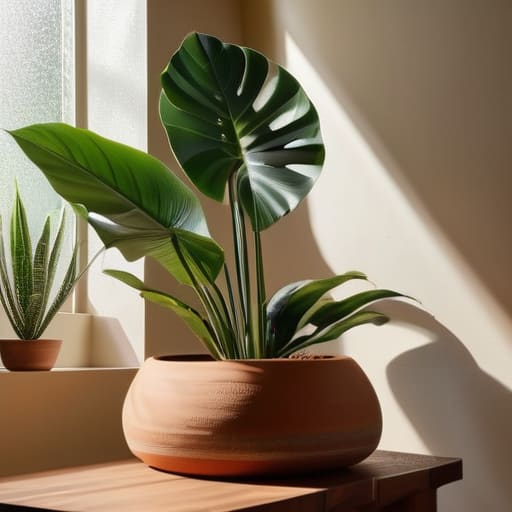
Look, you don’t need a degree in botany to figure out where your plants should live; you just need to pay attention to how the sun moves through your rooms. Most people make the mistake of putting a plant in a “pretty” corner, only to wonder why it’s dropping leaves three weeks later. Instead, start by categorizing your windows. South-facing windows are the heavy hitters, delivering intense, direct light that’s perfect for cacti, while north-facing spots offer that soft, indirect glow that keeps leafy greens happy. If you’re staring at a dim corner in your hallway, don’t force a sun-lover into it—that’s just setting yourself up for a headache.
Understanding indoor plant lighting requirements really comes down to observing the “shadow test.” If you hold your hand a foot above the plant and see a sharp, defined shadow, you’ve got direct light. A blurry, faint shadow means bright, indirect light. Stop guessing and start watching. Once you nail down the light, the rest of the maintenance—like choosing the right pot or checking for pests—becomes a whole lot easier because the plant isn’t already struggling just to survive the day.
Choosing the Best Soil for Houseplants to Avoid Messy Failures
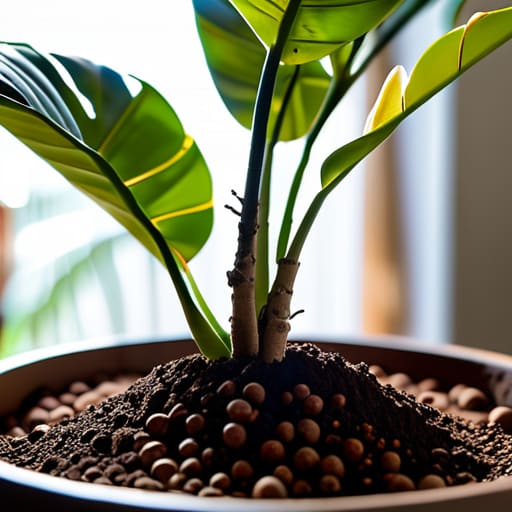
Look, I’ve learned the hard way that dumping whatever dirt you found in the backyard into a ceramic pot is a recipe for disaster. If your roots are sitting in heavy, compacted mud, they can’t breathe, and you’ll be dealing with root rot before you can even say “housewarming gift.” When you’re looking for the best soil for houseplants, stop looking for “dirt” and start looking for structure. You want a mix that offers drainage while still holding onto just enough moisture to keep things steady.
For most of my greenery, I stick to a high-quality, peat-based or coco coir potting mix that’s been amended with plenty of perlite. That white, volcanic glass stuff might look a bit clinical, but those little airy pockets are what prevent the soil from turning into a swamp. If you’re dealing with succulents or cacti, you need to go even leaner with a gritty, sandy mix. Getting this right from the start makes repotting indoor plants tips much easier to follow later on, because you won’t be constantly fighting against a collapsed, soggy mess in your favorite planters.
Five No-Nonsense Habits to Keep Your Greenery Alive
- Stop watering on a schedule. I used to think “every Monday” was a rule, but plants don’t work on a corporate calendar. Stick your finger an inch into the soil; if it feels damp, walk away. If it’s bone dry, give it a drink. Overwatering is the fastest way to turn a beautiful plant into a pile of mush.
- Get comfortable with a little bit of dust. Your plants breathe through their leaves, and a thick layer of dust is like trying to work through a heavy fog. Grab a damp cloth once a month and give them a quick wipe down. It keeps them looking sharp and actually helps them thrive.
- Don’t ignore the drainage situation. If you’ve bought a beautiful ceramic pot that doesn’t have a hole in the bottom, don’t just plop the plant in there. Keep the plant in its plastic nursery liner and set that inside the pretty pot. It makes repotting easier and prevents root rot from killing your investment.
- Watch for the “warning signs” instead of panicking. Yellow leaves usually mean too much water, while crispy, brown edges mean the air is too dry or you’ve missed a drink. Treat your plants like a project: observe the data, identify the issue, and make a small adjustment.
- Feed them, but don’t overdo it. Plants need nutrients, but they aren’t hungry all year round. Stick to a liquid fertilizer during the growing season (spring and summer) and then leave them alone in the winter. It’s better to under-fertilize than to burn the roots with too much chemical junk.
The Bottom Line: Keep It Simple and Keep It Growing
Stop trying to be a botanist; just match the plant to your light and your lifestyle, then let it do its thing.
Invest in decent soil and the right light upfront so you aren’t wasting time and money replacing dead leaves every three months.
Consistency beats intensity—a little bit of observation every week is worth more than a massive plant overhaul once a season.
Stop Overthinking It and Just Start Growing
Look, if you’ve followed along this far, you already know that keeping plants alive isn’t some mystical science—it’s just a series of small, manageable decisions. We’ve covered the big ones: finding the right light so you aren’t fighting against nature, and picking a soil that actually lets those roots breathe instead of drowning them in a muddy mess. Once you get the lighting and the foundation right, the rest of the “plant parent” drama tends to settle down significantly. Don’t feel like you need to buy every expensive gadget on the market; just get the basics right and keep your eyes open to what your plants are actually telling you.
At the end of the day, my goal isn’t to turn you into a professional botanist, but to help you create a home that feels alive and intentional. There will be a leaf that turns yellow or a stem that wilts, and honestly? That’s okay. Part of the process is learning from the little failures and adjusting your routine accordingly. Don’t let a single struggling pothos convince you that you don’t have a green thumb. Grab a watering can, find a sunny corner, and just get started. You’ve got this.
Frequently Asked Questions
How do I know if I'm actually overwatering or if my plant is just being dramatic?
Look, I get it. Plants can be incredibly dramatic, and it’s hard to tell if they’re actually drowning or just throwing a tantrum. Here’s my rule of thumb: stop looking at the leaves and start looking at the soil. Stick your finger an inch deep. If it’s soggy, back off. If it’s bone dry, water it. If the leaves are yellow and mushy, it’s overwatered. If they’re crispy and drooping, it’s thirsty. Simple.
What are the low-maintenance plants that won't die the second I get busy with a project?
Look, I get it. Between managing client deadlines and trying to sand down a vintage credenza, the last thing you need is a plant that dies because you forgot it for three days. Stick to the “unkillables.” Snake plants and ZZ plants are my go-tos; they thrive on neglect and low light. If you want something a bit more lush, Pothos is incredibly forgiving. They handle a busy schedule without throwing a tantrum.
Do I really need to spend money on fancy fertilizers, or can I just keep it simple?
Look, I’m all for a good bargain, but don’t let marketing fool you: you don’t need the gold-plated, boutique fertilizer blends. Most of those “premium” options are just overpriced versions of the basics. Grab a reliable, balanced liquid fertilizer—something with a simple N-P-K ratio—and stick to it. Feed them when they’re growing, skip it in the winter, and save your money for a nice new mid-century lamp instead. Keep it simple.